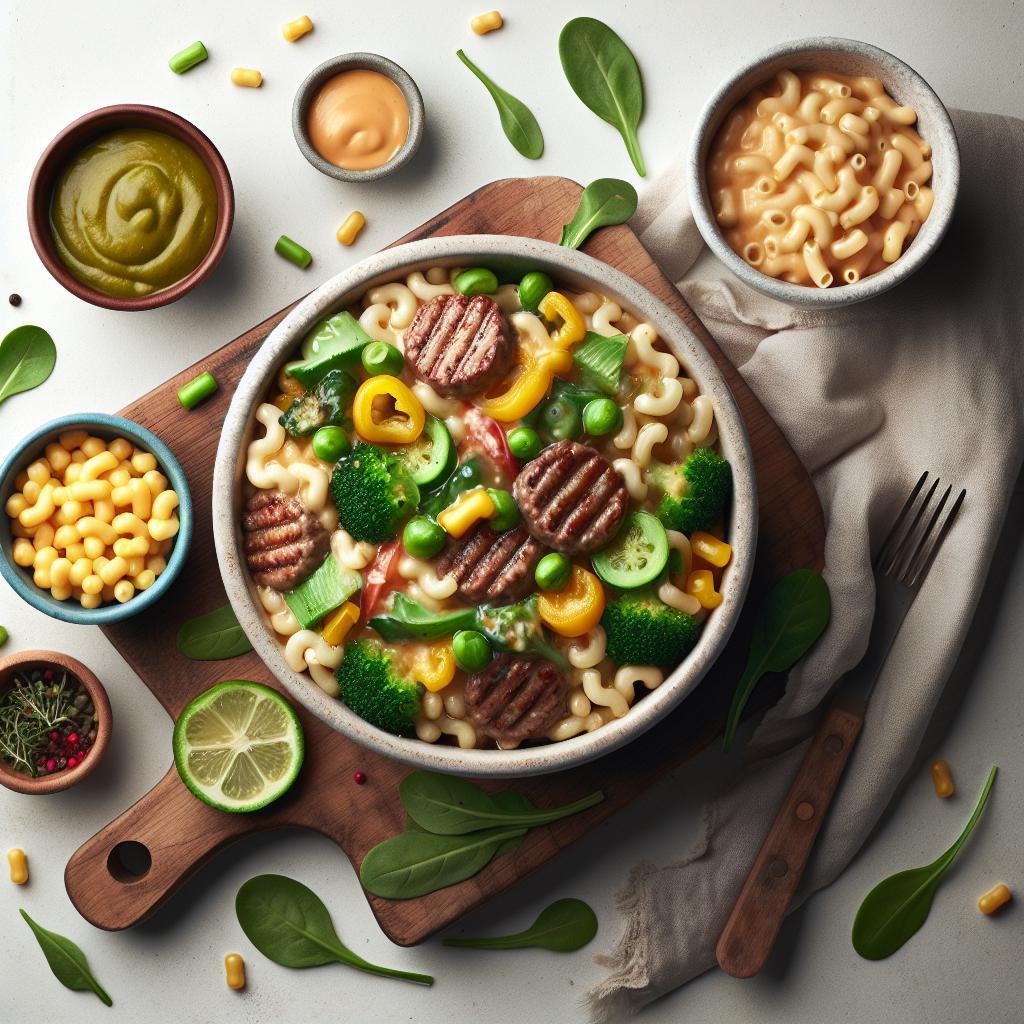

Quick & Easy 30-Minute Hamburger Helper Copycat Recipe recreates the creamy, savory comfort of the boxed classic using whole ingredients and simple technique. This one-pan version cooks in thirty minutes, maximizes flavor, and keeps cleanup minimal for busy evenings.
- Ready in 30 minutes: Brown, simmer, finish with cheese.
- Family friendly: Kid-approved flavors with easy swaps for diet needs.
- One skillet: Less cleanup and efficient heat retention for even cooking.
- Customizable: Add vegetables, swap meats, or choose different cheeses.
Prep and Cook Time
Prep Time: 10 minutes. Cook Time: 20 minutes. Keeping prep tight focuses the meal on speed without sacrificing technique.
Total Time: 30 minutes. A short total time lets this dish serve as a reliable weeknight anchor when schedules tighten.
Yield and Difficulty
This recipe yields 4 hearty portions. The method suits beginner cooks who follow sequencing: brown, aromatics, liquids, pasta, then cheese finish.
Difficulty: Easy. The most important control points are proper browning and watching pasta as it simmers so you avoid overcooking.
Ingredients
Gather simple pantry items and fresh produce for the best result. Use quality meat and cheese to drive flavor rather than relying on additives.
Key components include lean ground beef, small pasta, broth, milk, sharp cheese, aromatics, and targeted spices. The choice of pasta affects texture: smaller shapes like macaroni absorb sauce quickly; see macaroni for shape details.
- 1 lb lean ground beef (or ground turkey)
- 2 cups elbow macaroni or small pasta shells
- 3 cups low-sodium beef broth
- 1 cup whole milk
- 1 cup sharp cheddar cheese, shredded
- 1/2 cup finely chopped onion
- 2 cloves garlic, minced
- 1 tbsp tomato paste
- 1 tsp smoked paprika
- 1 tsp dried oregano
- 1/2 tsp chili powder
- 1/4 tsp cayenne pepper (optional)
- 2 tbsp olive oil
- Salt and freshly ground black pepper, to taste
- Fresh parsley, chopped, for garnish
Step-by-Step Method
Follow the sequence to build layers of flavor. The process emphasizes browning, controlled spice blooming, and finishing the sauce off-heat to preserve cheesiness.
Use a wide skillet with a lid so steam cooks the pasta evenly. Stir periodically to prevent sticking and to keep sauce integrated with pasta.
1. Brown the Meat
Heat olive oil over medium-high in a wide skillet and add the ground beef. Break it up with a spoon and brown until no pink remains, about 5–6 minutes, seasoning with salt and pepper as it cooks.
Remove any excess fat if pooling is heavy; good browning sets the savory base by creating fond on the pan surface which adds depth to the sauce.
2. Sauté Aromatics and Bloom Spices
Lower heat to medium and add chopped onion and garlic. Sauté until translucent, about 2–3 minutes, stirring to prevent browning that would add bitterness.
Stir in tomato paste and spices and let them cook for 1–2 minutes. This “bloom” releases the oils in spices like paprika and intensifies flavor.
3. Add Liquids and Pasta
Pour in the beef broth and milk and bring to a gentle boil. Add pasta, reduce heat, cover, and simmer 10–12 minutes, stirring occasionally so pasta releases starch and thickens the sauce.
Avoid full rolling boils once pasta is added; steady simmer ensures even hydration and prevents the sauce from separating.
4. Finish with Cheese
When the pasta reaches al dente and the sauce has thickened, remove the skillet from heat and stir in shredded cheddar until smooth. Taste and adjust salt and pepper as needed.
Finishing off-heat reduces the chance of grainy cheese texture. Use freshly shredded cheese rather than pre-shredded for optimal melt quality; learn why on cheese pages.
Tips for Customizing and Upgrades
You can customize vegetables, spice levels, and proteins without changing the core technique. Small tweaks change nutrition, color, and texture to match household preferences.
Stir in diced bell peppers, spinach, or mushrooms when you add onions. For smoky depth, keep smoked paprika and consider a splash of Worcestershire-style seasoning substitute if desired.
To balance creaminess and tang, a small spoonful of mustard or a squeeze of lemon can brighten the sauce without overdosing acidity. These micro-adjustments keep the dish layered and interesting.
How to Make This Dinner Healthier
Simple swaps reduce calories and increase fiber with minimal impact on taste. Key changes include leaner proteins and whole-grain or legume-based pastas.
Use ground turkey or a half-and-half mix of beef and plant-based crumbles, swap half the pasta for a chickpea pasta, and use low-fat milk. You still retain the mouthfeel while improving macros and micronutrients.
Chef’s Notes and Troubleshooting
Plan for reheating behavior: pasta absorbs sauce overnight and can thicken. When reheating, add a splash of stock or milk and stir over low heat to restore creaminess.
If your sauce separates or becomes grainy, gently whisk in warm milk off-heat to smooth it. For too-thin sauce, simmer uncovered until the water reduces to reach intended consistency.
Serving Suggestions
Pair this hearty skillet with crisp green salads, simple steamed vegetables, or crusty bread to provide contrast in texture. Garnish with chopped parsley or chives to add a fresh herbal note.
For a lighter plate, serve a green salad dressed with a vinegar-forward vinaigrette to cut through the creamy sauce. For comfort, add garlic bread or buttered rolls on the side.
Nutritional Snapshot
Per serving estimates help with meal planning. Values vary by product choice and portion size, but a typical serving from this recipe contains moderate protein and carbohydrates with a fat content driven by cheese and meat.
Use the nutrient table below to guide swaps like lower-fat cheese or leaner meat if you need to change calories and fat grams.
| Nutrient | Per Serving |
|---|---|
| Calories | 480 kcal |
| Protein | 29 g |
| Carbohydrates | 38 g |
| Fat | 20 g |
Q&A
Quick answers to the most common questions help you adapt this recipe to time constraints and ingredient availability. These responses focus on practical steps and safe handling.
Below are concise solutions to keep the dish reliable every time you cook it.
Q: What makes this homemade version stand out from the boxed mix?
A: Fresh ingredients and control over seasoning produce cleaner flavor and avoid preservatives found in boxed packets. Browning real meat and blooming spices create a deeper savory profile.
Q: Can I use different proteins?
A: Yes. Ground turkey, chicken, or plant-based options work. Adjust cook time slightly and season to taste since different proteins have varying moisture and fat levels.
Q: Is gluten-free possible?
A: Replace pasta with a certified gluten-free variety and ensure broth and any processed items are gluten-free labeled. Some gluten-free pastas require less water and cook faster, so monitor them closely.
Q: How can I prevent the pasta from overcooking?
A: Use smaller shapes and test a minute or two before the package time suggests. Remove from heat when pasta is al dente; residual heat finishes the bite while preserving texture.
FAQ
Is this recipe freezer-friendly?
Yes. Freeze before adding cheese for the best texture. Thaw overnight in the refrigerator and reheat gently with added milk or broth, then stir in fresh cheese to restore creaminess.
Can I double the recipe for a crowd?
Double ingredients but cook in a larger, wide pan for even heat distribution. Increase simmer time slightly when you add more pasta and liquids, and stir more frequently to avoid sticking.
Which cheese melts best for a silky sauce?
Freshly shredded sharp cheddar melts reliably. For creamier texture, a blend with Monterey Jack or a small amount of cream cheese raises silkiness without masking cheddar’s flavor.
What small shortcuts save time without losing quality?
Use pre-chopped onions or a food processor for faster prep and freshly shredded cheese to avoid anti-caking agents. Keep measured spices in a small bowl to add quickly during cooking.
How should I store leftovers?
Cool leftovers quickly, then refrigerate in airtight containers for up to three days. Reheat on low with a splash of liquid to return the sauce to the desired consistency.

See also: Hamburger Helper