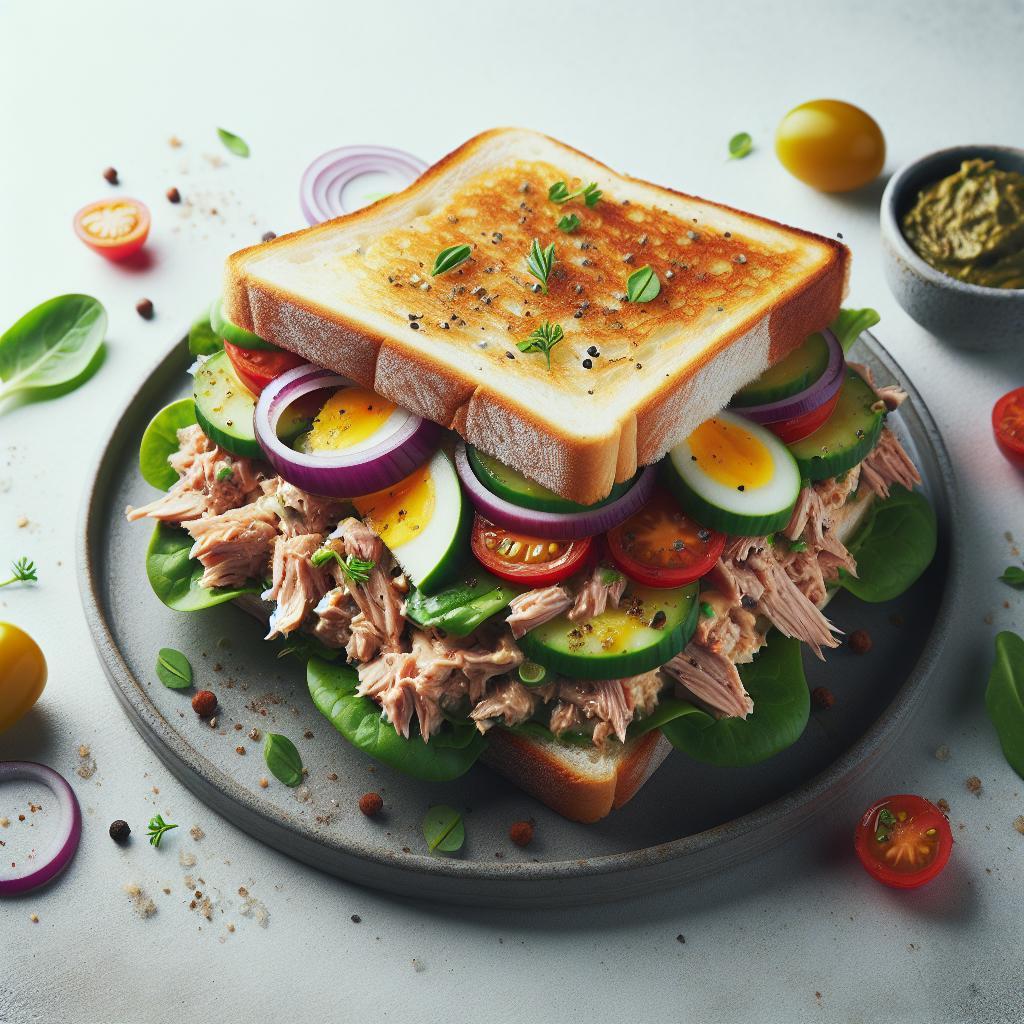

When hunger hits and time is tight, a warm tuna melt delivers fast comfort with big flavor. These sandwiches pair a creamy tuna salad with melted cheese and crisp toast for a satisfying meal you can assemble in minutes.
- Crafting the Perfect Tuna Salad Base for Maximum Flavor
- Choosing the Ideal Bread and Cheese Combinations for Your Melt
- Step by Step Guide to Assembling and Toasting Your Tuna Melt
- Creative Toppings and Variations to Elevate Your Sandwich Experience
- Prep, Yield, Difficulty and Ingredient Checklist
- Tips for Success
- Serving Suggestions
- Nutritional Snapshot
- FAQ
- To Wrap It Up
- Speed: Ready in under 20 minutes with basic pantry staples.
- Technique: Drain tuna well and toast bread to avoid sogginess.
- Versatility: Swap cheeses and toppings to change the profile quickly.
- Make-ahead: Prep tuna salad up to 24 hours earlier for faster assembly.
Crafting the Perfect Tuna Salad Base for Maximum Flavor
Start with high-quality canned tuna and drain it thoroughly but leave the flesh moist. Mix with a binder for creaminess and a bright acid to lift the overall taste.
Use mayonnaise or a yogurt-avocado blend as your base; both emulsify the salad and help the cheese adhere while toasting. Add Dijon or a touch of mustard for savory depth, and finish with lemon juice for balance.
Texture and aromatics
Include finely chopped celery or apple for crunch and minced red onion for a clean bite. Capers or chopped dill bring a briny, herbaceous lift that complements the fish and cheese.
Season conservatively with salt and freshly cracked black pepper. Taste at each step so the tuna remains the star without being masked by too many assertive ingredients.
Choosing the Ideal Bread and Cheese Combinations for Your Melt
Pick bread that toasts to a firm crust while still yielding to the knife. Thick-cut sourdough, multigrain, or sturdy white loaves work well and resist sogginess.
Consider crumb structure: a denser crumb supports heavy fillings and keeps the sandwich intact during cooking. Light, open crumbs can collapse if the filling is too wet.
Select cheeses that melt reliably and complement tuna. Sharp cheddar adds tang and fat, while provolone or Swiss lend a smooth, nutty quality.
For stretch and mild flavor use mozzarella or Monterey Jack. If you want smoke or depth, choose smoked gouda or aged cheddar in smaller quantities to avoid overpowering the fish.
Step by Step Guide to Assembling and Toasting Your Tuna Melt
Work efficiently: have your tuna salad, cheese, and butter ready before heating the pan. Preheat a heavy skillet over medium heat for even browning.
Butter the outside faces of the bread lightly to promote crisping and golden color. Place the buttered side down on the skillet when you assemble to get an early sear.
- Prepare the tuna salad: Combine drained tuna, 3 tbsp mayonnaise, 1 tsp Dijon, 2 tbsp chopped celery, 2 tbsp chopped red onion, 1 tsp lemon juice, and salt and pepper to taste.
- Butter each bread slice: Spread softened butter thinly on one side of each slice to ensure even browning.
- Assemble: Place a butter-side-down slice in the skillet, spread tuna leaving a small border, top completely with cheese, then close with the second slice, butter-side-up.
- Toast: Cook 3-4 minutes per side over medium heat until cheese melts and crust is deep golden. Use a lid briefly if the cheese needs help melting without burning the bread.
- Rest and slice: Let the sandwich rest 60 seconds to allow the cheese to stabilize, then slice on the diagonal for cleaner presentation.
Timing and heat control
Maintain medium heat to balance browning and melt. Too-hot pans brown the bread before the cheese softens, while too-low heat yields greasy, slow results.
If you prefer an oven method, assemble and bake on a sheet at 375°F until cheese bubbles, then broil briefly for color. This is ideal for multiple sandwiches at once.
Creative Toppings and Variations to Elevate Your Sandwich Experience
Small changes transform the profile. Add sliced tomato for acidity, avocado for richness, or pickles for pop. Herbs like dill or parsley refresh each bite.
Shift the flavor with ingredients like roasted red peppers, sun-dried tomatoes, or a smear of pesto in place of mayo. Spices such as smoked paprika or a pinch of cayenne introduce warmth without masking the tuna.
Try global variations: mix curry powder into the tuna for an Indian-inspired profile, or add chopped kimchi for acid and spice. These swaps keep the base process identical while broadening the taste range.
Prep, Yield, Difficulty and Ingredient Checklist
This section breaks down practical details so you can plan cooking time and portions precisely. It helps when scaling the recipe for more mouths.
Prep and Cook Time
Prep: 10 minutes. Prepare the tuna salad and butter slices before heating. Keep the skillet hot to minimize total cook time.
Cook: 8 minutes. Toast 3-4 minutes per side over medium heat. Rest 1 minute before slicing.
Yield
Serves 2 generously when using four slices of thick bread. Adjust tuna and cheese portions proportionally for more servings.
For meal prep, make the salad for up to 24 hours. Assemble and toast fresh to preserve texture and quality.
Difficulty Level
Easy. The technique centers on proper draining, balanced seasoning, and heat control. These are reproducible with basic kitchen tools.
This recipe suits beginner cooks and experienced home chefs seeking quick, reliable results with minimal cleanup.
Ingredients
1 (5 oz) can tuna, drained; 3 tbsp mayonnaise; 1 tsp Dijon mustard; 2 tbsp finely chopped celery; 2 tbsp finely chopped red onion; 1 tsp lemon juice; salt and pepper to taste.
Also: 4 slices thick-cut sourdough or multigrain bread; 4 slices sharp cheddar or preferred melting cheese; 2 tsp butter, softened; optional toppings: tomato slices, pickles, avocado, arugula.
Instructions (concise)
Mix tuna salad ingredients until combined but not mushy. Butter bread, assemble with tuna and cheese, then toast until golden and melty.
Rest briefly before slicing and serve immediately with your chosen sides. Simple adjustments let you customize heat, crunch, and acidity.
Tips for Success
Drain the tuna well to avoid soggy sandwiches and toast bread lightly before assembling if a crisper barrier is needed. Pat tuna dry with a paper towel if needed.
Use room temperature tuna salad for faster cheese melt. Cold filling lowers the internal temperature and slows melting, leading to overcooked bread before the cheese softens.
To achieve an even melt without burning the crust, cover the skillet for 30–60 seconds after the first side browns. This traps heat and encourages the cheese to soften through.
Serving Suggestions
Pair tuna melts with a lemon-dressed green salad, kettle chips, or a cup of tomato soup for classic contrast. Acidic sides cut through richness and refresh the palate.
Garnish plates with fresh herbs like parsley or dill for aroma and visual appeal. A small ramekin of tangy aioli or chipotle mayo on the side adds a dipping option that elevates the meal.
Nutritional Snapshot
Per serving: approximately 420 kcal, 28 g protein, 30 g carbohydrates, 18 g fat. Values vary by bread and cheese choices.
To reduce calories, swap full-fat mayo for Greek yogurt or use reduced-fat cheese. Increasing vegetables raises fiber and micronutrients without complicating prep.
| Nutrient | Per Serving |
|---|---|
| Calories | 420 kcal |
| Protein | 28 g |
| Carbohydrates | 30 g |
| Fat | 18 g |

FAQ
This FAQ answers common practical questions and supports quick troubleshooting so cooks get consistent results. Each answer is short and focused for fast reading.
Use these quick references while cooking to adjust technique or ingredients on the fly and maintain good texture and flavor.
What makes a tuna melt different from a regular tuna sandwich?
A tuna melt pairs warm, melted cheese with toasted bread and tuna salad, creating a contrast of creamy filling and crispy exterior. The toast-and-melt step fundamentally changes texture and comfort level.
What bread types work best for a tuna melt?
Choose sturdy breads like sourdough, multigrain, or thick white slices that crisp without collapsing. Avoid very soft or thin sandwich breads if you prefer a robust melt.
Which cheeses melt best with tuna?
Sharp cheddar, provolone, Swiss, and mozzarella melt reliably and suit tuna’s profile. For smoky notes, use smoked gouda sparingly so it complements rather than overwhelms the fish.
How do I prevent a soggy tuna melt?
Drain tuna thoroughly, toast the bread lightly first, and keep wet toppings minimal. Butter the bread thinly and toast over moderate heat to form a protective crust.
Can I make tuna salad ahead of time?
Yes. Refrigerate the prepared tuna salad up to 24 hours in an airtight container. Assemble and toast the sandwiches just before serving to preserve texture.
To Wrap It Up
Simple technique and a few smart choices deliver reliable, flavorful tuna melts every time. With proper draining, the right bread, and an effective melt method, you get a fast comfort meal that satisfies.
Try swapping cheeses and toppings to keep the sandwich fresh across meals. These tweaks provide variety while keeping preparation quick and approachable for busy schedules.
See also: Tuna Melt