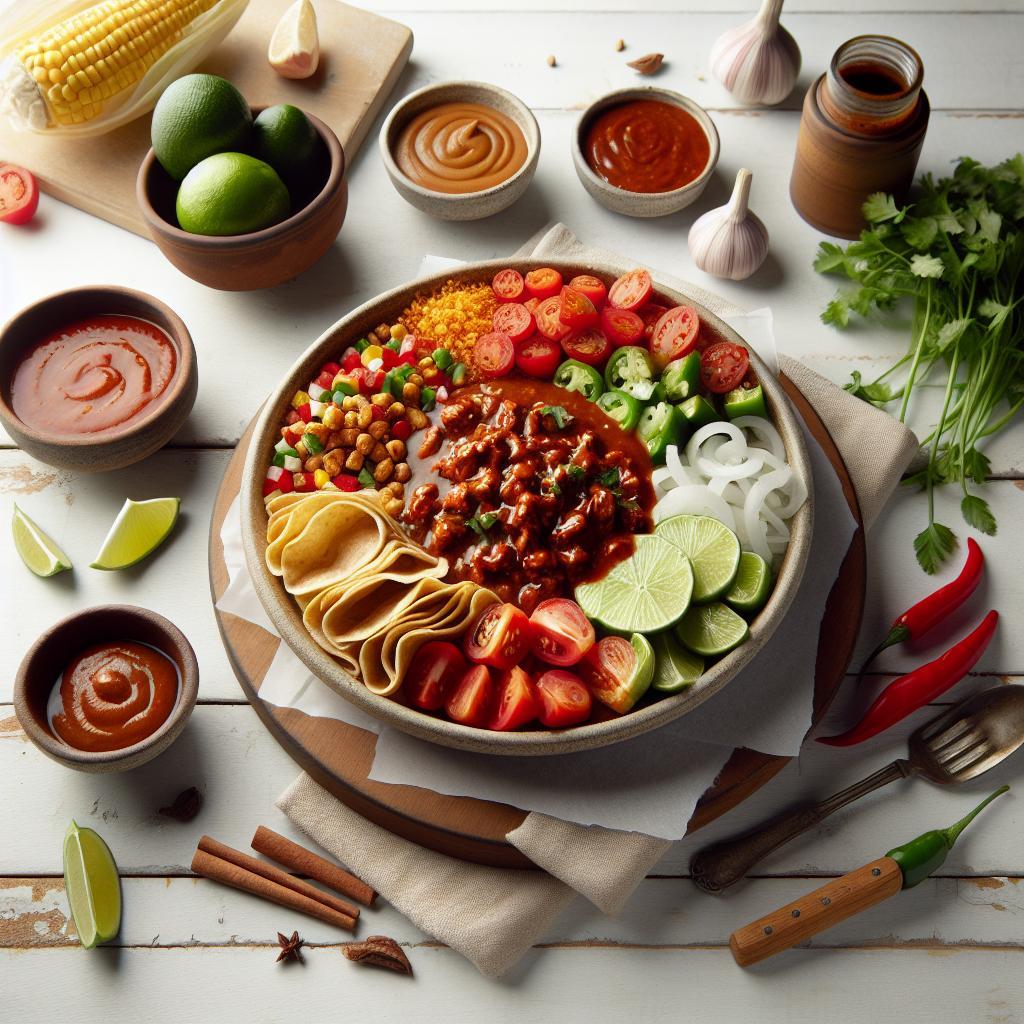

Savor the Essence: Exploring Authentic Mexican Sauces celebrates the core flavors that define Mexican cooking. Sauces here act as cultural signatures—layered, textural, and designed to elevate every bite.
- At a glance: key ingredients like dried chiles, tomatillo, and pepitas shape regional sauces.
- Technique matters: toasting, roasting, and controlled simmering build depth and balance.
- Versatility: these sauces work as enchilada bases, dips, marinades, and glazes.
- Make-ahead gains: flavors meld overnight for more complex results.
Discovering Traditional Ingredients That Define Mexican Sauces
Authentic Mexican sauces depend on a small palette of high-impact ingredients that chefs treat with precise technique. Ingredients such as dried chilies, tomatillos, seeds, and native herbs provide signature color, texture, and flavor.
For context on the cuisine’s breadth, review the background of Mexican cuisine. That article helps place regional sauce traditions in historical perspective.
Recipe: Classic Red Chile Sauce (Yield ~2 cups)
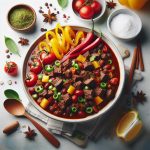
This recipe outlines a versatile red chile sauce built from ancho and guajillo chilies, roasted tomatoes, and toasted pepitas. Follow the method closely to preserve the chilies’ aromatic oils and avoid bitterness.
Use this sauce for enchiladas, as a finishing drizzle, or as a braising liquid for proteins. It stores well refrigerated and freezes in portions for later use.
Prep and Cook Time
Preparation: 20 minutes. Cooking: 25 minutes for simmering and finishing.
Total Time: 45 minutes overall, assuming chilies soak 15 minutes during prep. Active hands-on time runs closer to 30 minutes.
Yield
Produces approximately 2 cups of sauce, sufficient for 4–6 servings depending on use. Adjust quantities proportionally for larger batches.
For batch cooking, triple ingredients and freeze in 1-cup portions for consistent results. Thawed sauce reheats gently on low heat with a splash of broth.
Difficulty Level
Medium. The technique requires attention—managing toast levels, peeling roasted tomatoes, and balancing acidity with salt and vinegar.
Beginner cooks should taste frequently and adjust heat by reducing the number of guajillo chilies. Maintaining moderate heat prevents burning and preserves nuanced flavors.
Ingredients
- 4 dried ancho chilies, stemmed and seeded
- 3 dried guajillo chilies, stemmed and seeded
- 2 medium tomatoes, roasted and peeled
- 1 small white onion, quartered
- 3 cloves garlic, roasted and peeled
- 1/4 cup toasted pumpkin seeds (pepitas)
- 1 tsp ground cumin
- 1/2 tsp dried Mexican oregano
- 1 tbsp apple cider vinegar
- 1 cup vegetable broth
- Salt, to taste
- 2 tbsp toasted sesame seeds
- 2 tbsp vegetable oil
Instructions
- Toast the dried chilies lightly in a dry skillet over medium heat, flipping frequently until fragrant—about 1.5–2 minutes. Watch closely to avoid burning, which creates bitterness.
- Place toasted chilies in a bowl and cover with hot water; soak 15 minutes until softened. Reserve 1/4 cup of soaking liquid to thin the blended sauce if necessary.
- While chilies soak, roast the tomatoes, onion, and garlic under a broiler or on a flat comal until the skins char and the flesh softens. Peel the garlic when cool.
- Combine softened chilies, roasted vegetables, toasted pepitas, cumin, oregano, vinegar, and vegetable broth in a blender. Add reserved soaking liquid to achieve a smooth sauce texture and blend until silky.
- Heat 2 tablespoons of oil in a saucepan over medium heat and pour in the blended sauce. Simmer gently for 12–15 minutes, stirring to prevent sticking and to harmonize flavors. Adjust salt to taste.
- Finish by stirring in toasted sesame seeds for a subtle nutty crunch and complex mouthfeel. Cool slightly before storing in an airtight container.
Tips for Success
Toast and roast ingredients deliberately to build layers of flavor rather than rely on single notes of heat. Controlled char and caramelization add complexity that raw ingredients cannot match.
Balance the sauce by tasting for acidity, salt, and texture. If the puree tastes flat, a splash of vinegar or reserved soaking liquid often brightens the profile without increasing heat.
Adjust spice by varying the ratio of ancho to guajillo chilies: anchos add mild sweetness while guajillos supply sharper, fruity heat. Use pasilla or chipotle swaps for smoky or earthier variants.
Serving Suggestions
Drizzle this sauce over warm corn tortillas for enchiladas, or use it as a finishing glaze for grilled vegetables and proteins. Garnish with fresh cilantro, crumbled cheese, and a squeeze of lime to add freshness and contrast.
It also performs well as a dip for crisp tortilla chips or as a base in layered casseroles. Pair with simple sides like Mexican rice or charred elote for a balanced meal.
Nutrition Snapshot
The following values are approximate per serving and depend on portioning. Use them as a ballpark for menu planning and dietary adjustments.
| Nutrient | Amount per Serving |
|---|---|
| Calories | 110 kcal |
| Protein | 3 g |
| Carbohydrates | 14 g |
| Fat | 5 g |
Exploring Regional Variations and Their Unique Sauce Creations
Mexican regions shape sauces through local crops and culinary lineage; coastal areas favor brighter, fresher sauces while central regions develop richer, spice-rich moles. For a clear overview of mole’s historical role, see mole (sauce).
Chiles and their treatment define many regional signatures, so reference the botanical and culinary notes on chili pepper when selecting varieties. Swap chiles to alter sweetness, smokiness, or heat without changing technique.
Tomatillo-based sauces, or salsa verde, rely on tart, green fruit more than chiles for character. Learn about tomatillos and their acidity by visiting tomatillo to understand their place in green sauces.
Seeds like pepitas add body and nuttiness—central to pipián sauces—so use toasted pumpkin seeds for a rounded texture. The seed’s culinary role appears in sources such as the pepita entry.
Frequently Asked Questions (FAQ)
Q: What makes Mexican sauces distinct from other sauce traditions?
Mexican sauces layer indigenous ingredients with several textural and flavor steps—toast, roast, soak, grind—creating flavor complexity beyond simple heat. This combination yields sauces that complement rather than dominate dishes.
Q: Which sauces should a beginner try first?
Start with salsa verde for a bright, forgiving sauce and a basic red chile purée for controlled heat. Both teach core techniques: roasting, blending, and seasoning.
Q: How can I reduce heat without losing flavor?
Remove seeds and membranes from chilies and use fewer high-heat varieties; swap in sweeter chilies like ancho for intensity without burn. Balance with acidity and fat to tame perceived heat.
Q: Can I recreate molés at home without special equipment?
Yes. A blender and fine sieve can approximate molés traditionally ground on a molcajete, though texture will differ. Focus on toasting and layering spices for authentic depth.
Q: How long do homemade Mexican sauces keep?
Refrigerate sauces in airtight containers for up to five days, or freeze in portioned bags for 2–3 months. Thaw slowly and reheat gently to preserve texture and flavor.
Closing Remarks
Authentic Mexican sauces reward attention to ingredient selection and technique. When you roast, toast, and balance elements precisely, the results deliver layered, memorable depth.
Savor each sauce as a cultural expression and practical flavor tool—use these recipes and regional notes to build a reliable repertoire. Over time, tweak chiles and seeds to develop your own signature versions that respect the tradition while reflecting personal taste.

See also: Mexican sauces