
Asian soups deliver comfort and concentrated flavor through disciplined technique and quality ingredients. Each bowl combines clear stock, layered aromatics, and finishing touches that invite repeat servings.
- Broth-first approach: Build a clear, gelatin-rich stock before adding toppings.
- Layered seasoning: Balance salt, acid, heat, and umami to shape depth.
- Textural contrast: Combine soft proteins with crisp herbs and crunchy garnishes.
- Simple swaps: Convert classic broths to vegetarian or gluten-free versions without losing body.
Unlocking Depth and Flavor in Asian Soups: The Art of Broth Crafting
Broth forms the structural core of most great Asian soups. Chefs extract collagen, clarify fat, and preserve aromatics so toppings sit on a clean, flavorful stage.
For example, Vietnamese phở relies on roasted bones and precise spice timing to produce a fragrant broth; see phở. Likewise, Japanese dashi emphasizes minimal ingredients pulled for pure umami; read about dashi extraction.
Ingredients & Method
Prep and Cook Time
Preparation: Active mise en place takes 15–30 minutes: roast bones, char aromatics, and measure spices. Good prep concentrates flavor and reduces on-the-stove corrections.
Cooking: Choose technique to match goals. Simmer bones 3–6 hours for body, while vegetarian broths take 20–40 minutes when using dried mushrooms and kombu.
Yield and Difficulty
This basic recipe yields about 8 cups, enough for 4–6 servings. Scale water and bones proportionally without changing the method.
Skill level sits at medium: the steps are straightforward but require attention to temperature and timely skimming. Patience rewards you with clarity and mouthfeel.
Ingredients
Assemble connective-rich bones, whole aromatics, and a small set of toasted spices. That restraint delivers base flavor without muddiness.
Typical ingredients include roasted beef bones, onion, ginger, garlic, star anise, cinnamon, coriander, fennel, peppercorns, fish sauce, and salt. For vegetarian broths use dried shiitake and kombu.
Instructions
1. Roast bones: Roast at 425°F for 30–40 minutes until brown. Roasting deepens Maillard flavors and improves color.
2. Char aromatics: Blacken onion halves and ginger over a flame or hot pan for smoky sweetness. This step layers savory notes that lift the broth.
3. Combine and cover: Place bones and aromatics in a large stockpot and add cold water to cover by two inches. Cold water extracts collagen and flavor more efficiently than hot water.
4. Heat and skim: Bring to a gentle boil, then lower to a bare simmer. Skim foam during the first hour to remove impurities and keep the stock clear.
5. Simmer low and slow: Maintain a bare simmer for 3–4 hours for balanced texture, longer for more body. Top up with hot water as needed to keep bones submerged.
6. Season late: Add fish sauce and salt in the final 20–30 minutes. Seasoning late preserves volatile aromatics and prevents oversalting.
7. Strain and chill: Strain through a fine sieve or cheesecloth, cool rapidly, and remove fat for a cleaner finish. Use the clarified broth as the base for soups and sauces.
Tips for Success
Use cold, filtered water and maintain a low, steady simmer to avoid emulsifying fat into the stock. That yields a cleaner mouthfeel and better clarity.
Skim aggressively during the first hour; most solids rise early. Removing that foam produces a bright, translucent broth that showcases subtle aromatics.
[TOPIC]ALTERNATE-APPROACH[/TOPIC]
Customize aromatics to regional profiles. Add lemongrass and kaffir lime leaves for Southeast Asian brightness, or use kombu and bonito elements for Japanese-style umami.
To understand umami science and how glutamates lift savory notes, consult the umami reference on sensory taste.
Serving Suggestions
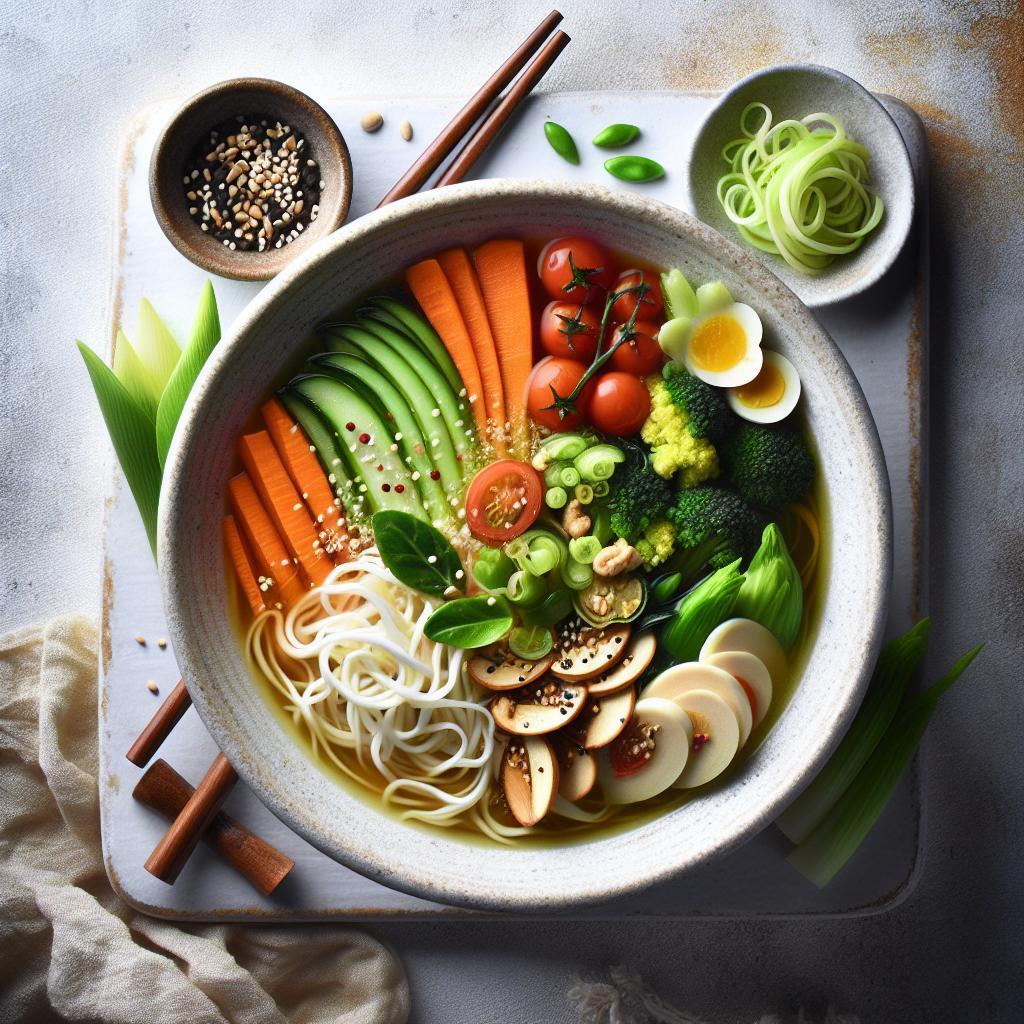
Serve broth piping hot and construct bowls with a contrast of textures: soft noodles, thinly sliced proteins, and fresh herbs. A squeeze of citrus brightens without masking the stock.
Offer garnishes separately so eaters can customize. Scallions, cilantro, Thai basil, and bean sprouts add freshness and color at service.
For home experimentation, reuse clarified broth as a foundation for curry sauces or risottos; concentrated stock economizes flavor across recipes. See our internal collection on Asian soups for variations.
Vegetarian and Special Diet Swaps
To mimic animal-derived body, simmer dried shiitake with kombu and roasted vegetables. Dried fungi and seaweed supply concentrated glutamates and mouthfeel.
Use tamari rather than regular soy sauce for gluten-free seasoning. For texture, add pan-seared tofu or seared king oyster mushrooms as protein substitutes.
When freezing, separate noodles and rice to prevent sogginess. Freeze broth in portion-sized containers for efficient reheating and minimal waste.
For safety and nutrition context, review the broader guidance on nutrition, and apply conservative food-safety practices in the kitchen.
Nutrition & Reference Notes
Light broths typically contain 50–80 calories per cup with modest protein and minimal carbohydrates. Bone broths provide collagen-derived peptides and trace minerals depending on ingredients and cook time.
Nutrition varies with ingredients and extraction time. Use lab-tested databases or nutrition labels for precise values when required, and consult trusted nutrition sources as needed.
| Nutrient | Per Serving (1 cup) |
|---|---|
| Calories | 70 |
| Protein | 8g |
| Carbohydrates | 1g |
| Fat | 3g |
Explore canonical styles for cues: miso-based bowls rely on fermented paste for savory depth. Learn the specifics of kansai and kantō presentations in Japanese soups and of regional sour, spicy, and herbal balances across Southeast Asia.
For technical reference on a traditional fermented base, see miso soup. Those pages clarify cultural usage and ingredient lists.
Q&A
Below are common reader questions about technique, authenticity, and substitutions. Answers focus on practical, testable kitchen methods rather than exhaustive history.
These responses come from applied culinary practice and ingredient science to help cooks reproduce consistent results at home.
Q1: What makes Asian soups uniquely flavorful?
A1: Asian soups layer umami, acid, sweetness, and heat to achieve harmony. Slow-simmered stocks combine with aromatics like ginger, lemongrass, and star anise to build complexity.
Q2: Which countries produce the most iconic soups?
A2: Japan, Vietnam, Thailand, China, Korea, and Malaysia each have emblematic soups that reflect local produce and fermented condiments. Regional technique determines texture and seasoning.
Q3: How can I recreate authentic taste at home?
A3: Start with a high-quality stock and season toward the end of cooking. Use traditional condiments such as fish sauce, miso, or fermented pastes and finish bowls with fresh herbs and acid.
Q4: What plant-based ingredients add savory depth?
A4: Dried shiitake, kombu, tofu, daikon, bok choy, and fermented soybean products provide texture and concentrated umami. Rehydrate and toast when appropriate for maximum flavor.
Q5: Can soups adapt to dietary restrictions?
A5: Yes. Swap animal stock for mushroom- and seaweed-based broths, use tamari for gluten-free seasoning, and choose tofu or tempeh for protein. Test seasoning levels after substitutions.
To Wrap It Up
Mastering Asian soups means mastering broth technique, balancing seasoning, and finishing with fresh garnishes. Those three elements produce repeatable results across regional recipes.
Practice roasting, low-and-slow extraction, and late seasoning. Then translate regional flavors into home-cooked bowls that respect tradition while fitting modern kitchens. For more recipes and technique notes see our broth crafting collection.

FAQ
How long should I simmer bone broth for best results?
Simmer beef or pork bones for 3–6 hours; poultry needs 2–3 hours. Longer cooking increases body but requires regular skimming and water top-ups.
Keep the pot at a bare simmer and check every 30–60 minutes to remove surface solids for clarity.
What quick vegetarian options still taste deep?
Use dried shiitake, kombu, and a splash of miso or tamari. Quick roasting of vegetables adds caramelized notes that enrich short-cook broths.
Finish with toasted sesame oil or a small amount of aged soy to introduce complexity without long extraction times.
How do I store and reheat broth safely?
Cool rapidly and refrigerate within two hours. Reheat to a full boil before serving and consume refrigerated broth within five days or freeze for longer storage.
Portion into shallow containers for fast cooling and label with dates for rotation in your freezer.
Can I freeze soup with noodles or rice?
Cooked noodles and rice absorb broth and soften when frozen. For best texture, freeze the broth separately and add fresh noodles or rice when reheating.
If you must freeze completed bowls, slightly undercook the starch so it recovers better after thawing and reheating.
Which herbs keep best as fresh garnishes?
Cilantro, Thai basil, and scallions add immediate brightness and hold up for a single service. Add them at the end to preserve aroma and texture.
Store herbs loosely wrapped in a damp paper towel inside a plastic bag in the refrigerator to extend freshness for a few days.
See also: Asian soups
Recommended Reading:
- Roast Chicken Secrets: 10 Expert Tips for a Perfect Roast
- 11 Expert Secrets for the Perfect Chicken Bake Recipe
- 10 Proven Beef Pot Techniques: Ultimate Guide to Beef Pot Cooking