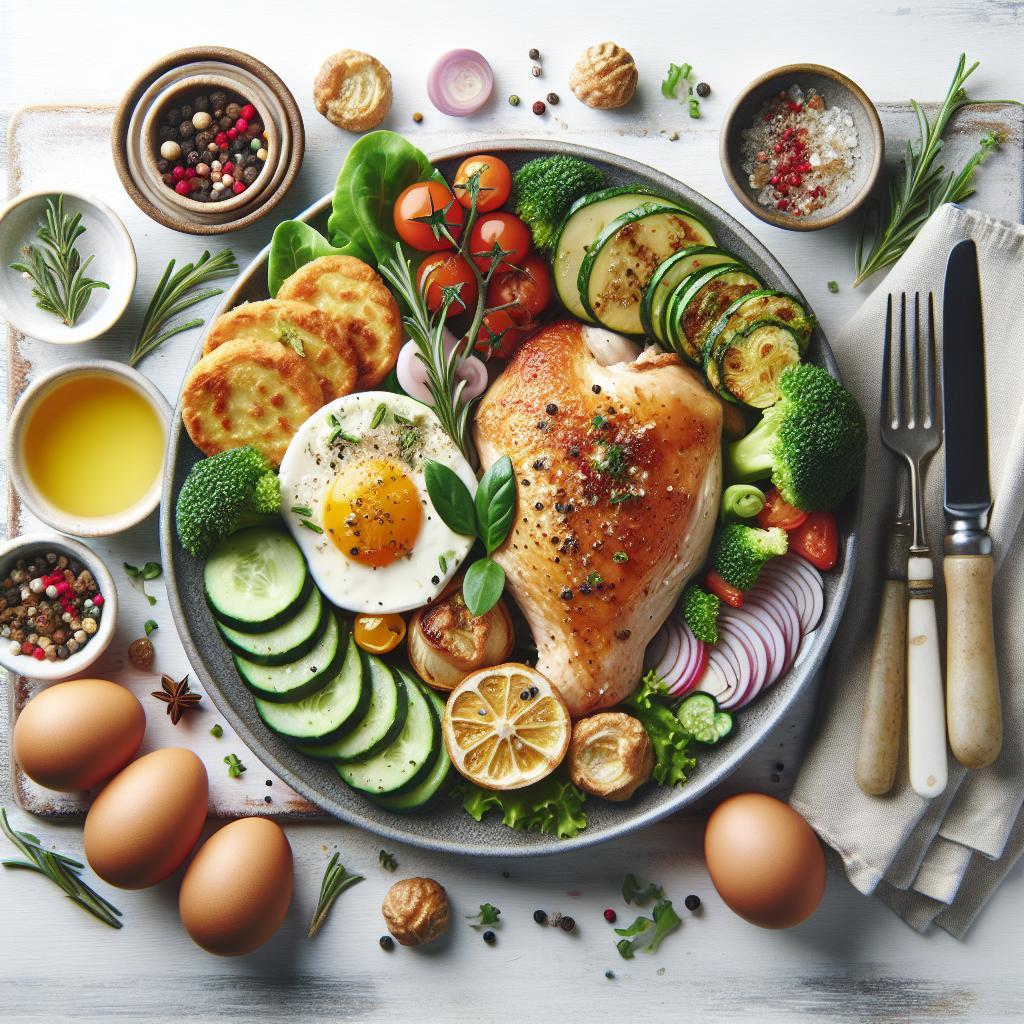

Savor the classic chicken plate by using practical seasoning and cooking techniques that turn simple poultry into a memorable dinner. This guide focuses on how to season, sear, finish and pair chicken so results stay juicy and repeatable.
- Seasoning and Technique: Chicken Flavor Foundation
- Prep and Cook Time for Chicken
- Yield and Difficulty for Classic Chicken Plate
- Ingredients: What Each Chicken Component Does
- Step-by-Step Instructions to Savor the Chicken Flavor
- Choosing Sides: Balance Texture and Acidity for Chicken
- Regional Variations and Chicken Flavor Profiles
- Tips to Consistently Achieve Juicy, Tender Chicken
- Nutritional Information (per serving) for Chicken Plate
- Final Bite: Make the Chicken Plate Your Own
- FAQ
- At a glance: Brine lightly for moisture, sear hot for a Maillard crust, then finish gently to retain juices.
- Flavor balance: Salt, acid and aromatics amplify the chicken without masking it.
- Plate strategy: Pair a warm starch, a bright acidic element and a crisp green for contrast.
- Timing: Trim, temper, sear and rest—this order makes consistent cooks easier.
Seasoning and Technique: Chicken Flavor Foundation
Seasoning defines the plate more than any single cooking step. Apply salt early, layer herbs and spices, and use fat to carry aroma into the meat.
Understanding heat and seasoning together makes the difference between bland and compelling chicken. The same season-sizzle-rest sequence works across breasts, thighs and boneless cuts.
Pan-Searing, Basting, and Finish for Chicken
Begin with a hot pan so the surface achieves a Maillard crust quickly; that crust creates both flavor and texture contrast. Learn the science behind browning with the Maillard reaction.
After searing, add butter and aromatics and baste to transfer flavor rapidly. Then reduce heat and finish gently to let connective tissue relax without drying the chicken.
Temperature Control and Resting for Chicken
Pull chicken at the target internal temperature and rest briefly so juices redistribute. Use a probe thermometer to verify doneness and avoid guesswork.
Short rests produce cleaner slices and better mouthfeel; allow five minutes for small breasts and longer for larger pieces. Read basic food safety guidance at Food safety.
Prep and Cook Time for Chicken
Preparation: 15 minutes. Cooking: 25–30 minutes. Total: 40–45 minutes is realistic for pan-seared breasts with a pan finish.
Time changes with thickness and method. Bone-in or thicker pieces require longer finishes; thin cutlets sear faster and need a shorter rest to stay juicy.
Yield and Difficulty for Classic Chicken Plate
Yield: Serves 4 generous portions when using four boneless skin-on breasts. Multiply portions for larger groups and adjust searing time for thicker cuts.
Difficulty: Easy to medium. The skills are basic—sear, baste, finish—but they require attention to heat and timing for consistent results with chicken.
Ingredients: What Each Chicken Component Does
Ingredients play three roles: seasoning, fat for flavor transfer, and aromatics for scent. Use quality salt, a neutral oil for searing and butter for finishing to build layers.
Fresh herbs add volatile oils that lift the plate at final service; dried herbs work well in rubs. For herb basics, see Herb.
- 4 boneless, skin-on chicken breasts, trimmed
- 2 tsp kosher salt, divided
- 1 tsp freshly ground black pepper
- 1 tsp smoked paprika
- 1 tbsp garlic powder
- 1 tbsp onion powder
- 1 tsp dried thyme
- 1 tsp dried oregano
- 2 tbsp olive oil
- 2 tbsp unsalted butter
- 2 garlic cloves, finely minced
- Fresh rosemary sprigs (optional)
Spice Blends and Substitutions for Chicken
Combine paprika, garlic and onion powders as a base rub; add thyme and oregano for herbaceousness. Salt balances and brings out the chicken’s natural sweetness.
Swap dried for fresh at roughly a 3:1 ratio; fresh herbs perform best added near the end so their volatile oils remain bright when the chicken hits the plate.
Step-by-Step Instructions to Savor the Chicken Flavor
Follow the sequence: dry, season, sear, baste, finish, rest. Each step performs a distinct chemical or physical task that affects texture and flavor.
Keep tools ready: a heavy skillet, tongs, a meat thermometer and a spoon for basting. An efficient workflow shortens cook time and reduces heat fluctuation around the chicken.
- Prep the chicken: Pat breasts dry and season both sides with 1.5 tsp kosher salt, pepper, smoked paprika, garlic and onion powders, thyme and oregano. Let them rest at room temperature for 10 minutes so salt begins to penetrate.
- Heat your pan: Warm oil in a large skillet over medium-high until shimmering but not smoking to ensure an instant sear on contact.
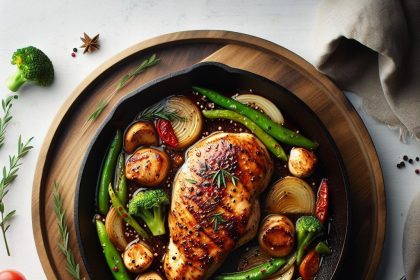
- Sear the chicken: Place chicken skin-side down and press gently to ensure contact. Cook undisturbed until skin is crisp and golden, about 5–7 minutes.
- Flip and baste: Turn breasts, reduce heat, add butter, garlic and rosemary. Spoon melted butter over each breast for 2–3 minutes to infuse flavor.
- Finish and rest: Cover loosely and cook 5–7 minutes until a thermometer registers 165°F (74°C). Remove and rest 5 minutes before serving to retain juices.
After brining, rinse only if necessary and always dry thoroughly to maintain browning. Brining works especially well for lean cuts like chicken breast and helps avoid a dry final texture.
If the pan smokes or the butter darkens rapidly, remove the chicken to a cooler area of the stove and deglaze the pan with a splash of stock or wine off heat. Controlled carryover heat finishes the cook more predictably.
Choosing Sides: Balance Texture and Acidity for Chicken
Pick sides that create contrast: creamy mashed vegetables for richness, bright salads for acidity, or roasted root vegetables for textural counterpoint. Contrast elevates the main protein.
Plan timing so starchy sides are hot and crisp elements remain fresh. Consider one warm starch, one green vegetable and a pickled or acidic element to cut fat on the plate.
Vegetarian and Low‑Carb Pairings for Chicken
Swap mashed potatoes for mashed cauliflower to lower carbs while retaining creaminess. Add a lemony kale salad to introduce bitterness and acid that brighten every bite of chicken.
For a hearty low-carb plate, serve roasted baby brassicas with a drizzle of herb oil to echo the chicken’s aromatics without adding heavy starch.
Regional Variations and Chicken Flavor Profiles
Regional recipes reinterpret the classic plate with local spices and techniques. Mediterranean versions favor lemon and oregano; Southern plates highlight spice rubs and smoky accompaniments.
Exploring variants expands your toolkit and introduces new balances of heat, acid and herbaceousness. For broader context, see Regional cuisine.
Tips to Consistently Achieve Juicy, Tender Chicken
Control thickness, heat profile and resting time. Trim uneven areas or butterfly thick sections for uniform cooking and predictable timing.
Validate doneness with a thermometer rather than time alone. Pull at the target temperature and allow carryover to finish the cook for perfectly juicy results.
Nutritional Information (per serving) for Chicken Plate
The values below reflect a typical pan-seared skin-on breast served without sides. Calories and macros vary with cooking fat and portion size.
| Calories | Protein | Carbohydrates | Fat |
|---|---|---|---|
| 320 kcal | 45 g | 2 g | 12 g |
Adjust nutritional targets by swapping butter for an olive oil finish or choosing skinless breasts to cut fat. Pairing choices also change caloric density significantly.
Final Bite: Make the Chicken Plate Your Own
Practice yields predictability: keep notes on salt amounts, timing and heat settings so you reproduce the plate reliably. Small tweaks deliver distinct results.
Change one variable at a time—herb, fat or finish—to learn which elements matter most to your palate and diners. Document changes and record cook times for every new variation.
FAQ
How long should I brine chicken breasts?
Light brines of 30–60 minutes work well for boneless breasts. Longer brines increase salt uptake and can alter texture, so proceed in short increments and taste results.
What internal temperature ensures juiciness and safety for chicken?
Cook to 165°F (74°C) in the thickest part, then rest. A probe thermometer avoids overcooking and ensures safe serving temperatures for chicken.
Can I use skinless breasts with the same method?
Yes. Skinless breasts sear quickly and benefit from a lower finish temperature and a shorter rest to avoid drying. Reduce finishing time by a few minutes for thin cuts.
Which sides best cut through richness when serving chicken?
Acidic salads, quick-pickled vegetables or a lemon vinaigrette provide brightness that balances butter-forward mains. Acid refreshes the palate between bites of chicken.
How do I scale this recipe for larger groups?
Cook in batches to avoid crowding the pan and lowering searing temperature. Keep finished portions warm in a low oven while you finish remaining pieces to preserve the crisp skin and juiciness.
See also: Classic Chicken and pan-seared chicken recipe
See also: chicken