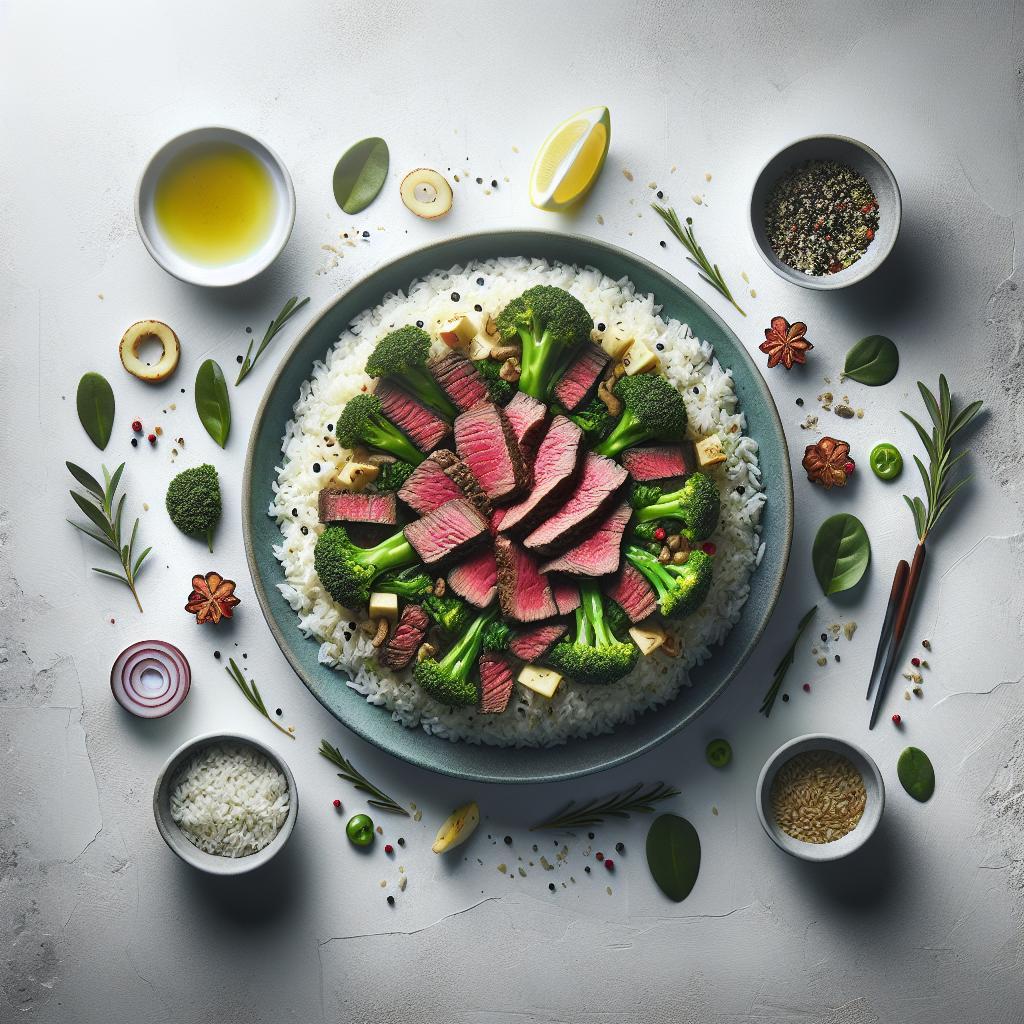

Beef Broccoli: Mastering a restaurant-grade method for tender beef, crisp broccoli, and perfectly seasoned rice gives you a compact, repeatable workflow for weeknight success. The sequence prioritizes high-heat searing, rapid blanching, and a controlled sauce finish so every component keeps its texture.
- Why this Beef Broccoli method works
- Beef Broccoli Prep and Cook Time
- Beef Broccoli Yield
- Beef Broccoli Difficulty Level
- Beef Broccoli Ingredients
- Step-by-Step Beef Broccoli Techniques
- Chef’s Notes & Tips for Beef Broccoli success
- Serving Suggestions for Beef Broccoli
- Nutritional Snapshot
- Ingredient Science & Substitutions for Beef Broccoli
- FAQ
- High-heat sear for reliable Maillard crust and juice retention.
- Blanch then shock to lock broccoli color and snap.
- Glossy cornstarch finish that clings to rice without thinning.
- Prep workflow to cut active cook time under 15 minutes.
Why this Beef Broccoli method works
The Beef Broccoli method isolates tasks so each element reaches ideal texture. You sear beef quickly and briefly, blanch broccoli to stop cell breakdown, and reduce the sauce to concentrate flavor.
When you control surface temperature and moisture transfer, browning stays intact and the sauce clings. The result mirrors approaches used in professional kitchens that prioritize texture over long, wet cooking.
Beef Broccoli Prep and Cook Time
Active stove time can stay under 15 minutes with focused prep. Slice, marinate briefly, and blanch ahead to make the last stage fast and precise.
Plan 20 minutes for mise en place and marinate time from 15 to 60 minutes depending on schedule. This split keeps the active cook window tight for crisp broccoli and tender beef.
Beef Broccoli Yield
This recipe yields four generous portions based on roughly 12 oz beef and 3 cups cooked rice. It balances about 3–4 oz cooked protein and ~1 cup cooked rice per person.
Scale by weight if you need larger or smaller batches. Multiply protein and rice uniformly to maintain sauce ratio and flavor balance.
Beef Broccoli Difficulty Level
Difficulty rates as easy-to-medium because steps are simple but timing matters. Precise temperature control and batch searing deliver professional texture with modest technique.
Home cooks get the largest gains by prepping mise en place and using a hot, roomy pan so meat sears instead of steaming. A heavy skillet or wok is best for even heat.
Beef Broccoli Ingredients
Use straightforward, quality ingredients. Thinly slice lean steak against the grain to shorten chew time and improve tenderness.
Choose aromatic white rices such as jasmine or basmati to complement the sauce; learn more about rice varieties at Rice. For vegetable context, see Broccoli.
- 12 oz flank steak, thinly sliced against the grain
- 2 cups broccoli florets, fresh
- 3 cups cooked jasmine or basmati rice
- 3 tbsp low-sodium soy sauce
- 2 tbsp oyster sauce (optional)
- 1 tbsp toasted sesame oil
- 1 tbsp freshly grated ginger
- 3 cloves garlic, minced
- 1 tsp honey
- 1 tbsp cornstarch mixed with 2 tbsp water
- 1 tbsp vegetable oil for cooking
- 1/2 tsp crushed red pepper flakes (optional)
- 2 scallions sliced thinly, for garnish
- Sesame seeds for finishing touch, toasted if possible
Step-by-Step Beef Broccoli Techniques
Organize the process into five stages: marinade, blanch, sear, reduce, and combine. Each stage preserves the ideal texture for its ingredient while shortening active time.
Work in batches when searing. Overcrowding causes steaming; small batches maintain a high surface temperature for consistent Maillard browning.
1. Beef Broccoli: Prepare the marinade
Whisk soy sauce, oyster sauce, sesame oil, grated ginger, garlic, honey, and pepper flakes. Add beef and toss to coat; marinate 15–60 minutes to season without over-tenderizing.
Soy sauce supplies umami and salt. If you want a primer on the condiment, review Soy sauce.
2. Beef Broccoli: Blanch the broccoli
Bring salted water to a boil and cook florets 1–2 minutes until bright green. Immediately plunge into an ice bath to stop cooking and preserve snap.
Drain well before reheating so the sauce does not thin. Blanched broccoli accepts sauce quickly without losing crunch or color.
3. Beef Broccoli: Sear the beef
Heat a wok or large skillet until very hot then add oil. Sear thin slices until a brown crust forms, roughly 2–3 minutes total, working in batches to avoid moisture buildup.
Thin slices sear quickly; remove them as they color and let them rest briefly to let juices redistribute before combining with sauce. Proper rest reduces carryover cooking.
4. Beef Broccoli: Build the sauce and combine
Add reserved marinade to the hot pan and simmer briefly. Stir in the cornstarch slurry gradually until the sauce is glossy and clingy; this gloss helps sauce adhere to rice and meat.
Return beef and broccoli to the pan, toss to coat, and warm through for 1–2 minutes. Serve immediately over steaming rice so sauce sticks to each grain.
Allowing a short rest between searing and saucing reduces carryover cooking and keeps the beef tender. Reheat gently only to warm the assembly through.
Chef’s Notes & Tips for Beef Broccoli success
Choosing beef: Flank steak gives pronounced beef flavor and benefits from thin slicing. For a silkier mouthfeel, use skirt or flat-iron and cut across fibers.
Broccoli quality: Pick dense, dark green crowns without yellowing. Fresh broccoli retains snap after blanching and absorbs sauce better than limp florets.
Serving Suggestions for Beef Broccoli
Garnish with sliced scallions and toasted sesame seeds for aroma and texture. A lime wedge brightens the sauce with acid that balances richness.
Pair the dish with a crisp cucumber salad or steamed dumplings. For context on the primary protein, consult Beef for cut characteristics and culinary uses.
Nutritional Snapshot
Per-serving nutrition depends on rice type and portion sizes. Use the baseline below as a reliable target for a balanced plate.
Estimate roughly 420 kcal, 32 g protein, 44 g carbohydrates, and 10 g fat per serving with the ingredient ratios listed. Adjust rice and oil to change calories.
| Nutrient | Per Serving |
|---|---|
| Calories | 420 kcal |
| Protein | 32 g |
| Carbohydrates | 44 g |
| Fat | 10 g |
Ingredient Science & Substitutions for Beef Broccoli
Cornstarch thickens without cloudiness and gives a glossy finish; it provides a clear coat that clings to rice. Honey or maple syrup balances savory notes at the finish without masking umami.
For vegetarian swaps, replace beef with marinated tofu or seitan and choose a vegetarian oyster sauce alternative. For starch alternatives, try brown rice or quinoa based on texture preference.
FAQ
Q1: What cut of beef works best for Beef Broccoli?
Choose lean, flavorful cuts like flank, skirt, or flat-iron and slice thinly across the grain. These cuts sear quickly and stay tender when sliced correctly.
Q2: How do I keep broccoli crisp after reheating?
Blanch and shock broccoli, then store separately from sauce. Reheat briefly in a hot pan with a splash of water or steam to revive texture without overcooking.
Q3: Can I use brown rice or other grains with Beef Broccoli?
Yes. Brown rice adds chew and fiber but requires longer cook time. Quinoa or cauliflower rice offer lower-carb alternatives that pair well with the glossy sauce.
Q4: How do I adjust salt and sweetness in the sauce?
Start with low-sodium soy sauce and taste after the sauce reduces. Balance with small amounts of honey or maple syrup and correct salt at the end if needed.
Q5: What equipment matters most for Beef Broccoli?
A wide, heavy skillet or wok that allows a single layer for searing helps achieve rapid browning. A thermometer is optional but useful to avoid overcooking proteins.

See also: Beef Broccoli