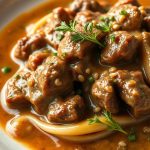
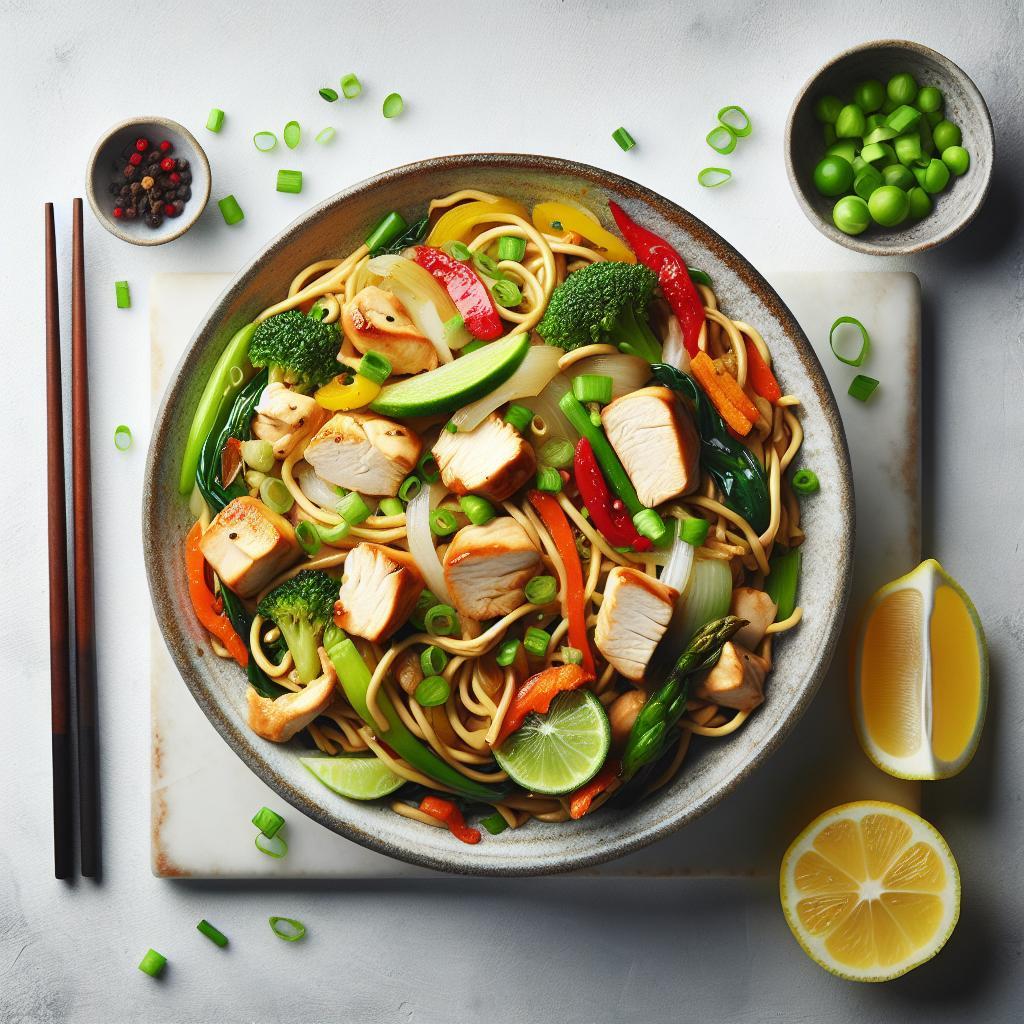

There is a clear pleasure in noodles coated with a glossy, savory sauce and a chorus of crisp vegetables. Chicken Lo Mein rewards precise timing, balanced sauce ratios, and tight mise en place to deliver consistent, restaurant-style results.
- Fast prep wins: Chop ahead and warm your wok or skillet so cooking happens in minutes.
- Sauce ratio: Soy to oyster to stock governs salt, umami, and glaze.
- Texture contrast: Al dente noodles plus crisp-tender vegetables deliver balance.
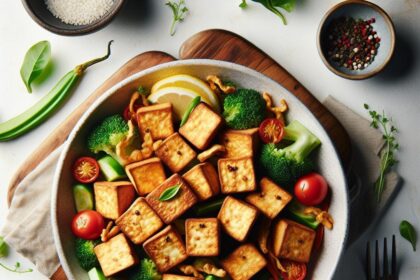
- Flexible protein: Swap chicken for tofu or shrimp while keeping technique consistent.
Overview and Approach
Chicken Lo Mein combines soft wheat noodles with a lightly thickened sauce and quick-seared protein. The technique hinges on high heat, fast movement, and a correctly proportioned sauce for glossy coating rather than a soupy finish.
A working knowledge of stir-frying helps you control moisture and texture during the toss. This method keeps vegetables bright and chicken tender while allowing starches and sauces to marry the noodles.
Prep and Cook Time
Preparation: 15 minutes. Cooking: 15 minutes. These windows assume all mise en place is ready and the wok or pan is hot before ingredients hit the surface.
Timing matters: cook noodles to just al dente and remove from heat promptly when the sauce clings. A short resting period after plating lets flavors settle without sogginess.
Yield
Serves 4 generous portions when paired with modest sides. This formula scales linearly if you keep the pan area and heat capacity in mind.
For larger batches, stir-fry in two smaller batches to avoid overcrowding the pan, which causes steaming instead of proper searing.
Difficulty Level
Easy to medium. The recipe tests practical skills like uniform slicing, heat control, and sauce thickening, rather than advanced techniques.
Home cooks who practice high-heat tossing will reproduce consistent results quickly. The real variables are noodle type and water content in vegetables.
Ingredients
Use fresh egg noodles or high-quality dried lo mein noodles for the best mouthfeel and tensile strength. The ingredient list below is balanced for four servings and preserves a glossy finish when followed precisely.
- 10 oz fresh egg noodles or dried lo mein noodles
- 12 oz boneless, skinless chicken breasts, thinly sliced
- 2 tbsp vegetable oil (or sesame oil for aroma)
- 1 cup broccoli florets
- 1 medium carrot, julienned
- 1/2 cup sliced mushrooms (shiitake or cremini)
- 1/2 cup thinly sliced bell peppers (mixed colors)
- 3 cloves garlic, minced
- 1 inch fresh ginger, grated
- 3 green onions, sliced on the bias
- 3 tbsp soy sauce (low-sodium recommended)
- 2 tbsp oyster sauce (mushroom-based for vegetarian)
- 1 tbsp hoisin sauce for sweetness
- 1 tsp toasted sesame oil
- 1 tbsp cornstarch mixed with 2 tbsp cold water (slurry)
- 1/4 cup chicken stock or water
- Salt and freshly ground black pepper to taste
Substitute notes: thigh meat adds fat and flavor; tofu or shrimp switch protein profiles cleanly if sliced uniformly. For background on key ingredients, see soy sauce and oyster sauce.
Instructions
Follow the sequence below to keep the cooking window short and efficient: noodles first, protein second, vegetables third, then combine. Keep a bowl for the sauce ready to pour and a pair of tongs for quick tosses.
- Prepare the noodles: Cook according to package directions until just al dente. Drain and rinse under cold water to stop cooking, then toss with a teaspoon of oil to prevent sticking.
- Cook the chicken: Heat 1 tbsp vegetable oil in a hot wok or large skillet. Stir-fry sliced chicken until golden and just cooked through, 4–5 minutes. Remove and hold off heat.
- Stir-fry vegetables and aromatics: Add remaining oil, then garlic and ginger; stir 30 seconds until fragrant. Add broccoli, carrots, mushrooms, and peppers and stir-fry 4–5 minutes until crisp-tender.
- Combine sauce: Whisk soy sauce, oyster sauce, hoisin, stock, and cornstarch slurry until smooth. Keep it near the wok for a fast finish.
- Bring it together: Return chicken to the pan, add drained noodles, and pour the sauce over. Toss constantly for 2–3 minutes until the sauce thickens and coats everything evenly.
- Finish and garnish: Off heat, drizzle toasted sesame oil, season with salt and pepper, and scatter sliced green onions just before serving.
Heat retention and pan crowding alter cooking times. If the sauce tightens too quickly, add a splash of stock to loosen and keep a glossy sheen.
Tips for Success
Small technique adjustments yield big differences: slice protein thin for fast cooking, keep vegetables uniform, and maintain very high heat to sear rather than steam. These practices lock in texture and flavor.
Choose noodles that hold a bite; fresh egg noodles usually outperform overly soft dried varieties. When buying noodles, inspect packaging recommendations for cooking time and adjust downward by 30 seconds to preserve chew.
Adjust sauce balance incrementally. Start with the base ratios listed and taste after mixing; a teaspoon of sugar or a dash of rice vinegar can harmonize salty or flat notes. For technique guidance, consult the Lo mein entry for historical context on noodle preparation.
After frying, allow the pan to return to high heat before adding the next batch. That resets searing conditions and prevents carryover moisture from building up.
Serving Suggestions
Serve Chicken Lo Mein in warm bowls garnished with toasted sesame seeds and cilantro for an aromatic finish. A drizzle of chili oil or a side of pickled cucumbers introduces acidity and heat contrast.
Pair the dish with quick sides like steamed dumplings or a light Asian cucumber salad to create a balanced meal. For complementary recipes and side ideas, link internally to Ultimate Guide to Stir-Frying and Easy Asian Sides.
Nutrition Snapshot
The table below reflects an approximate macronutrient profile per serving for the recipe as written. Nutritional values will vary by brands and exact ingredient weights.
| Nutrient | Per Serving |
|---|---|
| Calories | 420 kcal |
| Protein | 32 g |
| Carbohydrates | 45 g |
| Fat | 8 g |

Q&A
The following questions address common technique and ingredient choices that influence results. Answers focus on reproducible actions and clear trade-offs.
Q1: What makes chicken lo mein a lasting favorite?
Chicken Lo Mein balances soft noodles, savory sauce, and crisp vegetables for a satisfying mouthfeel and flavor complexity. The recipe adapts to pantry staples and substitutes, which increases its everyday appeal.
Q2: How do I achieve the perfect noodle texture?
Cook noodles until just al dente and rinse under cold water to stop residual cooking. Toss with a small amount of oil to prevent clumping before finishing in the wok.
Q3: Which chicken cut works best?
Both boneless breast and thigh work. Breast yields lean bites and faster cooking; thigh gives richer flavor and forgiving texture under high heat. Slice thin for consistent sear.
Q4: Can I prepare components ahead of time?
Yes. Chop vegetables, slice protein, and pre-mix the sauce; store components separately in the refrigerator. When ready, perform the quick stir-fry sequence to preserve texture and freshness.
Q5: What equipment helps most?
A large wok or a heavy-bottomed skillet provides rapid heat transfer and tossing room. A sharp chef’s knife speeds uniform slicing, and tongs help you toss noodles without breaking them.
In Retrospect
Mastering Chicken Lo Mein trains you in fast, high-heat cooking and flavor layering. With consistent mise en place and attention to sauce ratios, you will deliver restaurant-quality noodles at home.
Keep experimenting with vegetables, proteins, and heat levels while preserving the core technique: hot pan, quick tossing, and a balanced sauce. Enjoy the process and the repeatable results.
See also: Chicken Lo Mein