
There is genuine art behind a great Italian beef sandwich. Thinly sliced, slow-roasted beef meets a spiced au jus and sturdy, crusty rolls to deliver layered flavor and satisfying texture.
- At a glance: Italian beef blends slow-roasted beef, seasoned jus, and optional giardiniera for heat.
- Prep snapshot: About 20 minutes active time; roughly 3 hours total with slow roasting.
- Make-ahead: Cook the roast a day early and store in its juices; reheat gently for best moisture.
- Serving tip: Offer au jus and hot giardiniera so diners personalize heat and wetness.
Savor the Flavor with Italian Beef: A Journey Through Tradition and Taste
The Italian beef sandwich traces its roots to working-class communities and inventive home cooks in Chicago. Chefs and delis refined a simple idea: roast a flavorful cut slowly, slice it very thin, and serve it in bread that holds up to jus.
The dish fits squarely into the broader story of Italian cuisine adapted in America: immigrants used local cuts and techniques to create new neighborhood classics. The result rewards patience with deep, roast-forward flavor and a savory broth that defines the sandwich.
Prep and Cook Time
Plan for modest active time and a long, low-temperature roast. You will spend roughly 20 minutes seasoning and searing, then let the oven do the work for several hours.
The timeline gives you flexibility: start the roast in the morning for an evening meal, or cook a day ahead and reheat gently for gatherings. Below is a concise breakdown so you can schedule prep without surprises.
- Preparation: 20 minutes
- Cooking: 3 hours (slow roasting at low heat)
- Total: Approximately 3 hours 20 minutes
Yield and Difficulty
This recipe yields 6 hearty sandwiches, enough for a family dinner or a small gathering. The method rates as medium difficulty: it relies on slow cooking and basic knife work rather than advanced techniques.
Most of the work happens unattended in the oven. You need good timing and an eye for doneness; the meat should shred or slice thinly and remain juicy when returned to the pan juices.
Ingredients
Choose a cut with marbling and connective tissue that breaks down during low-and-slow cooking. A chuck roast performs reliably because it renders gelatin and yields moist shreddable meat.
Below are the standard ingredients that create classic flavor balance: aromatics, simple dried herbs, beef stock to build jus, and preserved peppers for acidity and heat.
- 3 to 4 pounds beef chuck roast, trimmed of excess fat
- 1 teaspoon garlic powder
- 1 teaspoon onion powder
- 1 teaspoon dried oregano
- 1 teaspoon dried basil
- 1 teaspoon red pepper flakes (adjust to taste)
- 1 teaspoon black pepper, freshly ground
- 2 teaspoons kosher salt
- 2 cups low-sodium beef broth
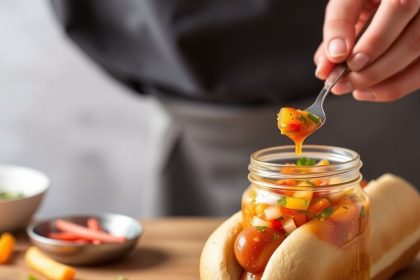
- 1 cup hot giardiniera (Italian pickled vegetables)
- 1/2 cup roasted red peppers, sliced
- 6 to 8 sturdy Italian rolls
Substitutions & ingredient notes
If you cannot find giardiniera, a blend of pickled peppers and vegetables offers similar acidity and crunch. For broth, low-sodium beef stock lets you control final salinity when you reduce jus.
For bread, pick rolls with a firm crust and soft interior so they absorb jus without disintegrating. The balance between bread and juice defines the sandwich mouthfeel.
Instructions
Follow these steps in order to lock in flavor. The technique emphasizes searing for Maillard reaction, then slow roasting to convert collagen into gelatin and tenderness.
After roasting, slice or shred thinly and finish the meat in the pan juices with peppers to marry flavors. Assemble warm sandwiches and offer extra jus at the table.
- Prepare the rub: Mix garlic powder, onion powder, oregano, basil, red pepper flakes, black pepper, and kosher salt. Pat roast dry and rub the spice mix over the meat evenly.
- Sear the beef: Heat a heavy skillet or Dutch oven with a tablespoon of oil. Sear the roast on all sides until deeply browned, about 3–4 minutes per side to build flavor.
- Slow roast: Place the roast in a roasting pan. Add beef broth, cover tightly with foil, and roast at 300°F for about 3 hours, until the meat is fork-tender.
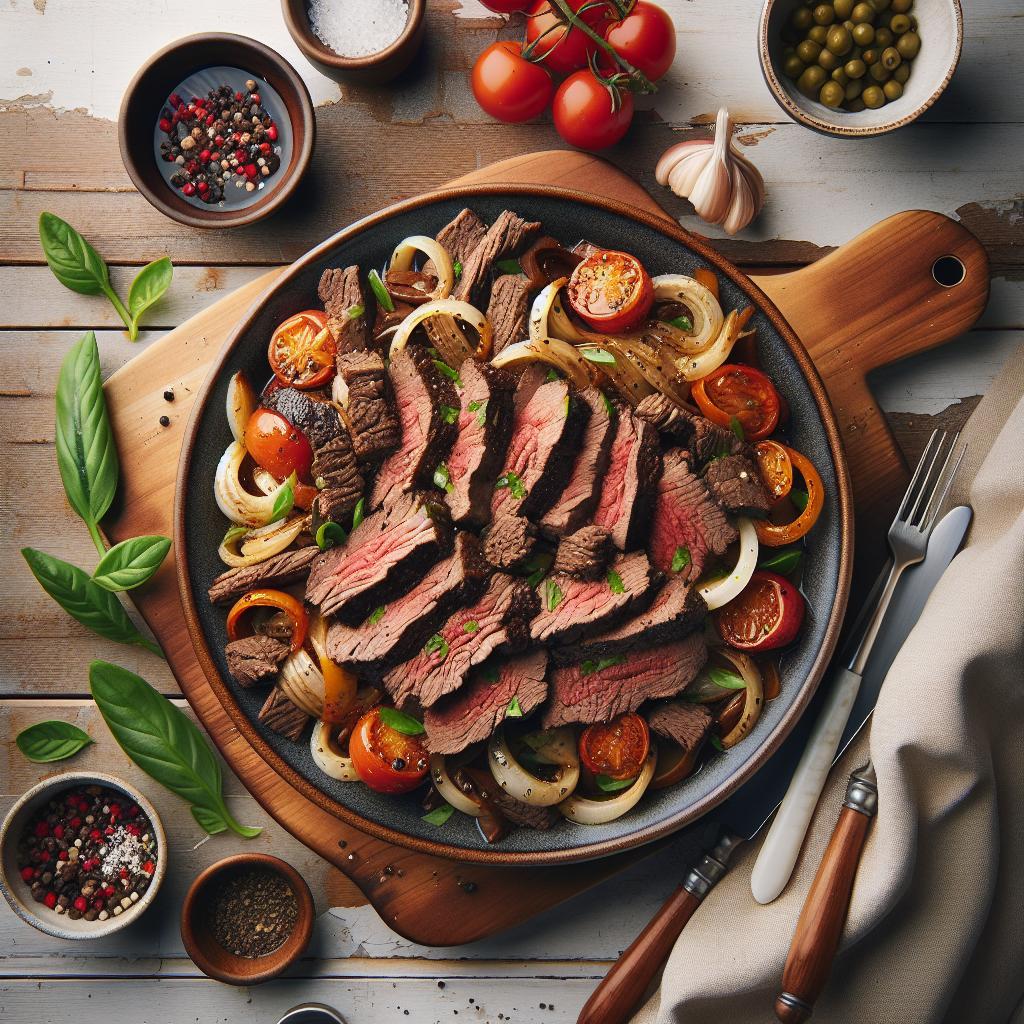
- Shred and simmer: Rest briefly, then slice or shred thinly. Return the meat to the pan juices, add giardiniera and roasted peppers, and simmer gently for 10 minutes.
- Assemble: Open each roll without cutting all the way through. Pile with hot beef and allow jus to soak into the bread. Offer a light dip for a wet sandwich variant.
- Serve: Garnish with parsley or extra peppers and serve immediately for optimal texture.
Tips for Success
Select a roast with sufficient marbling. The connective tissue will melt during long cooking and produce a glossy, flavorful jus that clings to slices.
Control heat by adjusting giardiniera and red pepper flakes. Offer condiments so diners dial in spice and wetness at the plate rather than over-seasoning the whole batch.
- Choose the right cut: Chuck roast yields the best balance of flavor, cost, and shreddability.
- Make ahead: Refrigerate the cooked roast in its juices overnight; reheat gently and add a little broth if it tightens.
- Juice retention: Always reserve some of the cooking liquid to dress the sandwiches—it’s the primary flavor carrier.
Serving Suggestions
Serve the sandwich with classic sides like fries or a bright salad to cut fat and refresh the palate. Acidic sides complement the beef’s richness and keep the meal balanced.
Offer pepperoncini, pickles, or extra giardiniera at the table. Those accompaniments let each guest choose the exact heat and tang they want, improving overall satisfaction.
Nutrition Snapshot
This sandwich offers a protein-forward profile with moderate fat from the roast and carbs from the roll. Portioning and bread size influence the final calorie count more than the meat itself.
For a lighter option, use thinner rolls, leaner cuts trimmed of visible fat, and serve more greens on the side. Keep some jus but limit how deeply you dip the bread to reduce added calories.
| Nutrient | Per Serving |
|---|---|
| Calories | 450 kcal |
| Protein | 38 g |
| Carbohydrates | 35 g |
| Fat | 18 g |

Origins and Cultural Notes
Italian beef reflects immigrant adaptation and neighborhood food economies in American cities. Craftspeople of flavor turned inexpensive cuts into sought-after sandwiches that feed crowds and travel well.
The sandwich sits alongside other regional specialties in American food history and shares cultural space with the broader category of the sandwich. Local delis and family-run shops kept traditional methods alive while encouraging small innovations.
Further Reading
For context on beef cuts and cooking science, consult references about roast beef and slow-roasting techniques. Understanding how collagen converts to gelatin helps you time and judge doneness more reliably.
If you explore condiments, the page on giardiniera explains regional variations and how its acidity and oils influence the final sandwich profile.
FAQ
What is Italian beef?
Italian beef is a Chicago-style sandwich featuring thinly sliced roast beef served with a seasoned jus on a crusty roll. Heat and texture come from toppings like giardiniera or roasted peppers.
Which cut of beef works best?
Chuck roast is ideal because of marbling and connective tissue that breaks down during slow cooking. These traits yield moist, shreddable meat that soaks up jus.
Can I make Italian beef ahead of time?
Yes. Cook the roast, cool in its juices, and refrigerate up to 24 hours. Reheat gently with added broth to restore moisture before assembling sandwiches.
How do I control spice level?
Adjust red pepper flakes and the amount of giardiniera added to the finished beef. Serve spicy elements on the side so each guest customizes heat.
Should I dip the sandwich in jus?
Dipping, or ordering a “wet” sandwich, increases moisture and flavor. If you prefer less sogginess, add jus sparingly or serve it on the side.
In Retrospect
The Italian beef sandwich rewards modest effort with big flavor: slow-roasted meat, savory juices, and bright, pickled toppers. It remains a practical, crowd-pleasing dish because it scales and stores well.
Recreate the balance—tender meat, robust jus, sturdy bread—and you capture what made this sandwich a neighborhood favorite. Serve extra jus and condiments and let guests compose their perfect bite.
See also: Italian beef