
Savor the Flavor: The Ultimate Guide to Beef Burritos
Wrapped in a warm flour tortilla and loaded with seasoned meat, the beef burrito is a masterclass in portable comfort food. This guide compiles techniques, cuts, and assembly strategies used by chefs to produce consistent, restaurant-quality results at home.
- Choosing the Perfect Cut: Unlocking the Best Beef for Burritos
- Mastering Marinades and Seasonings for Bold, Mouthwatering Flavors
- Crafting the Ultimate Burrito: Layering Ingredients for Maximum Taste and Texture
- Recipe Snapshot: Timing, Yield, Difficulty
- Ingredients
- Step-by-Step Instructions
- Serving Suggestions
- Nutrition (Per Serving)
- Q&A
- To Wrap It Up
- Choose the right cut: fattier cuts yield juicier shredded beef; lean steaks suit quick sears.
- Marinate and sear: acid and high heat develop depth, then finish low and slow for tenderness.
- Layer for texture: beans, rice, fresh salsa, and a cooling element balance the beef.
- Meal prep tip: assemble components, then wrap to avoid soggy tortillas.
Choosing the Perfect Cut: Unlocking the Best Beef for Burritos
Start by matching the cooking method to the cut. For shredding and braising, choose well-marbled pieces that soften with low heat.
For quick-cook burritos, use tender steaks and slice thinly after a high-heat sear. Learn about beef grading and muscle structure on beef.
Recommended Cuts and Why They Work
Chuck roast offers connective tissue and intramuscular fat that convert to rich flavor when braised. The collagen breaks down and yields luscious shreds.
Top sirloin or skirt steak excel for quick-cook recipes because they take a high-heat sear and remain tender if sliced correctly against the grain.
Cuts to Avoid for Burritos
Lean, tough roasts like eye of round will dry and resist shredding unless cooked excessively long. Brisket can work but demands extended time and a different technique.
If you need a fast swap, lean ground beef performs predictably but loses the depth of slow-braised cuts. Choose intentionally based on time and texture goals.
Mastering Marinades and Seasonings for Bold, Mouthwatering Flavors
A marinade balances acid, fat, salt, and aromatics to penetrate proteins and amplify flavor. Lime, garlic, and spices form a classic base that brightens rich beef.
Use fresh citrus and whole spices where possible. For background reading on traditional Mexican flavor profiles, see Mexican cuisine.
Basic Marinade Formula
Combine acid (lime juice), oil, aromatics (garlic, onion), and dried spices (cumin, smoked paprika, chipotle powder). This mix tenderizes and seasons evenly.
Marinate for 2 hours for quick infusion or overnight for depth. Pat meat dry before searing to secure a better crust.
Finishing Brightness
Add chopped cilantro and a pinch of sea salt after cooking to restore fresh notes lost during long cooking. Fresh elements lift the entire burrito.
Consider a small squeeze of lime at service to wake the flavors without overpowering the seasonings.
[h2]Essential Cooking Techniques to Achieve Tender and Juicy Beef[/h2]
Techniques determine texture. Searing locks in flavor through the Maillard reaction; braising converts tough fibers into silk. Use both strategically.
For step-by-step guidance on low-moisture methods, consult the braising concept on braising.
Sear Then Simmer
Sear cubes or slices on high heat in a heavy pan until a dark crust forms. Deglaze the pan with a little stock, then lower to a gentle simmer.
Simmer covered until fork-tender. Rest the meat, then shred or slice against the grain to preserve tenderness.
Pressure Cooking and Alternatives
Use a pressure cooker to shorten braise times: chuck roast reaches shreddable texture in roughly 35-45 minutes under pressure. Reduce liquid slightly to maintain concentration.
Alternatively, a low oven (275–300°F) in a Dutch oven yields excellent results over 2–3 hours with minimal supervision.
Crafting the Ultimate Burrito: Layering Ingredients for Maximum Taste and Texture
Building a burrito requires contrast: creamy, crunchy, saline, and acidic elements working together. Proper order keeps fillings stable during rolling.
For context on the handheld wrap tradition, review the cultural note on the burrito page.
Order of Assembly
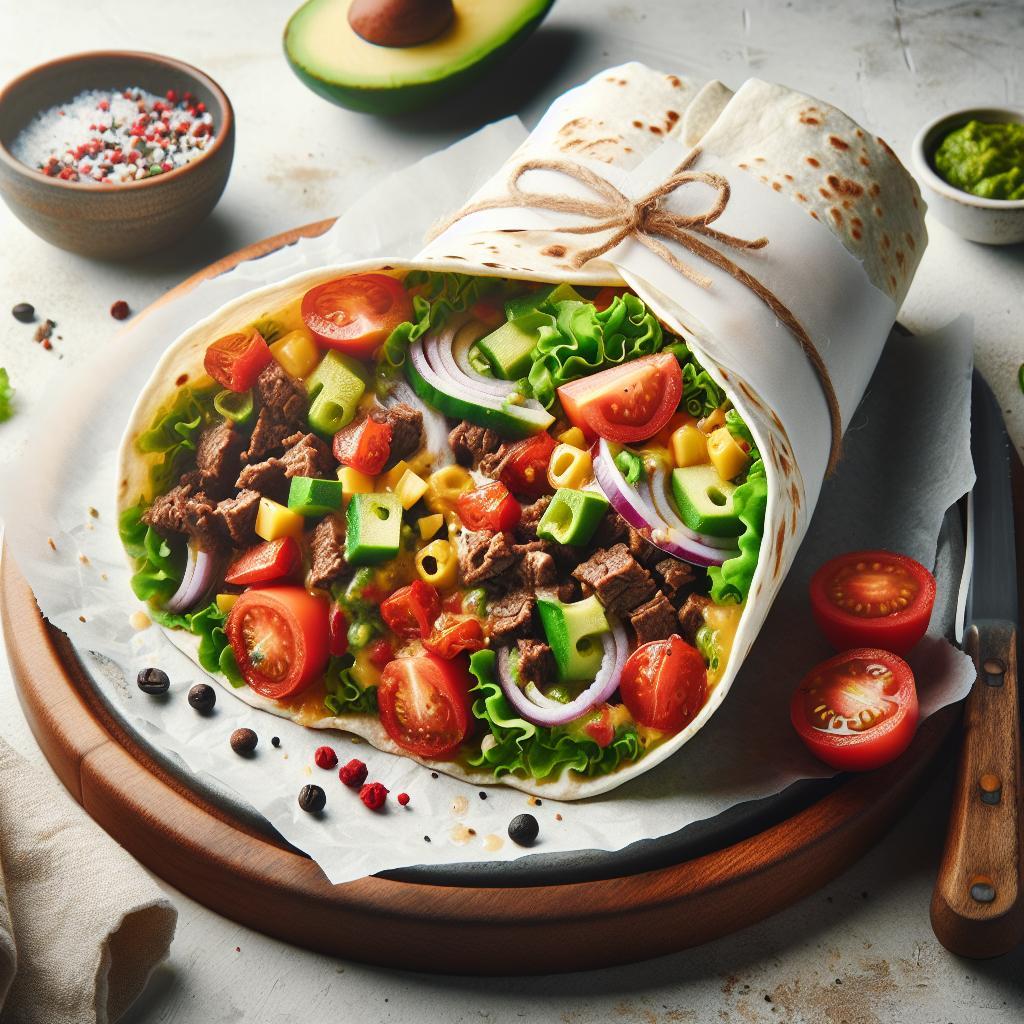
Warm the tortilla first to make it pliable. Start with a base layer of refried beans to create a barrier that prevents sogginess.
Next add the beef, then rice for bulk. Finish with fresh ingredients—lettuce, pico, guacamole—and a sauce to marry the flavors.
Rolling Technique
Fold the sides in snugly, then roll from the front with steady pressure to create a compact cylinder. Chill briefly for meal prep to help the seam hold.
For handheld eating, toast the seam side down in a hot, dry skillet for 30–60 seconds to seal and crisp slightly.
Recipe Snapshot: Timing, Yield, Difficulty
Preparation: 20 minutes. Marinate: 2–12 hours. Cooking: 1 hour 15 minutes. Total time varies with method.
Yield: serves 4 generous burritos. Difficulty: medium—requires basic knife and heat control skills.
Ingredients
2 lb chuck roast, trimmed and cut into 2-inch cubes; 1/4 cup fresh lime juice; 4 garlic cloves, minced; 2 tsp ground cumin; 1 tsp chipotle powder; 1 tsp smoked paprika; 1 tsp sea salt (divided); 1/2 cup low-sodium beef broth; 1/4 cup chopped cilantro; 4 large flour tortillas.
Plus: 1 cup refried beans, 1 cup cooked Mexican rice, shredded lettuce, diced tomatoes, pico de gallo, and 1/2 cup guacamole for finishing.
Step-by-Step Instructions
1. Marinate beef: Combine lime, garlic, cumin, chipotle, smoked paprika, and 1/2 tsp salt. Toss beef to coat and refrigerate 2–12 hours.
2. Sear: Heat a heavy skillet or Dutch oven with oil. Sear beef in batches on high until deeply browned. Remove and set aside.
3. Deglaze and braise: Add beef broth to deglaze, return beef to pan, lower heat, cover, and simmer for ~1 hour until fork-tender. Alternatively, pressure cook 35–45 minutes.
4. Rest and finish: Let meat rest 10 minutes, then shred or slice against the grain. Stir in chopped cilantro and adjust seasoning with remaining salt.
5. Assemble: Warm tortillas, spread a layer of refried beans, add beef, rice, fresh vegetables, pico, and guacamole. Roll tightly and serve with lime wedges.
[h2]Tips for Success
Marinate overnight when time allows to deepen flavor. Slice beef against the grain for a tender chew.
If you use a pressure cooker, reduce liquid and monitor finish time to prevent overcooking. Toast tortillas briefly for structure.
Prepare guacamole fresh and keep acidic elements (lime, pico) separate until service to preserve brightness. Assemble just before eating for best texture.
Use kosher or sea salt and measure carefully at first; adjust seasoning after cooking, not before. Taste as you go to avoid oversalting.
Serving Suggestions
Serve with crunchy tortilla chips and a fresh cabbage or jicama slaw to cut richness. A crisp lager or sparkling water with lime complements the spices.
For a lighter plate, swap rice for a cilantro-lime cauliflower rice and choose a whole-wheat tortilla to boost fiber.
Nutrition (Per Serving)
| Nutrient | Per Serving |
|---|---|
| Calories | 570 |
| Protein | 48 g |
| Carbohydrates | 46 g |
| Fat | 18 g |

Q&A
Q&A: Savor the Flavor: The Ultimate Guide to Beef Burritos
What makes a beef burrito truly unforgettable?
It comes down to balanced textures and seasoning. Juicy, well-seasoned beef combined with creamy beans and fresh salsa creates the full experience.
Additionally, a slight acidic counterpoint like lime or pico sharpens the palate and elevates the other components.
How do I choose the best cut for my burrito?
Choose chuck roast for shredding or skirt/top sirloin for quick sears. Match the cut to cook time and desired texture.
Slicing against the grain matters for steaks. For long braises, seek well-marbled cuts that convert to tender shreds.
Can I make a healthier beef burrito without losing flavor?
Yes. Use leaner cuts or swap in extra vegetables and whole-grain tortillas. Greek yogurt can replace sour cream for fewer calories.
Also, control oil and salt during cooking and bulk with fiber-rich fillings to keep the dish satisfying.
How should I store and reheat burritos?
Store components separately when possible. Wrapped burritos keep in foil for up to 3 days in the refrigerator when sealed tightly.
Reheat in an oven or skillet to preserve texture; microwaving works in a pinch but can soften tortillas and fillings unevenly.
Is there a quick method that retains good flavor?
Quick sears with a well-seasoned skirt or sirloin yield flavorful results in minutes. Use a high-heat pan and finish with a bright sauce or citrus.
For shredded-style texture on a fast timeline, pressure cook chuck roast to accelerate tenderness without losing depth.
To Wrap It Up
The beef burrito thrives because it combines technique with approachable ingredients. Apply the methods here and adapt fillings to personal taste.
Experiment with heat, texture, and acids until the balance matches your preference. Enjoy the process and the payoff: a reliably delicious burrito every time.
See also: beef burrito