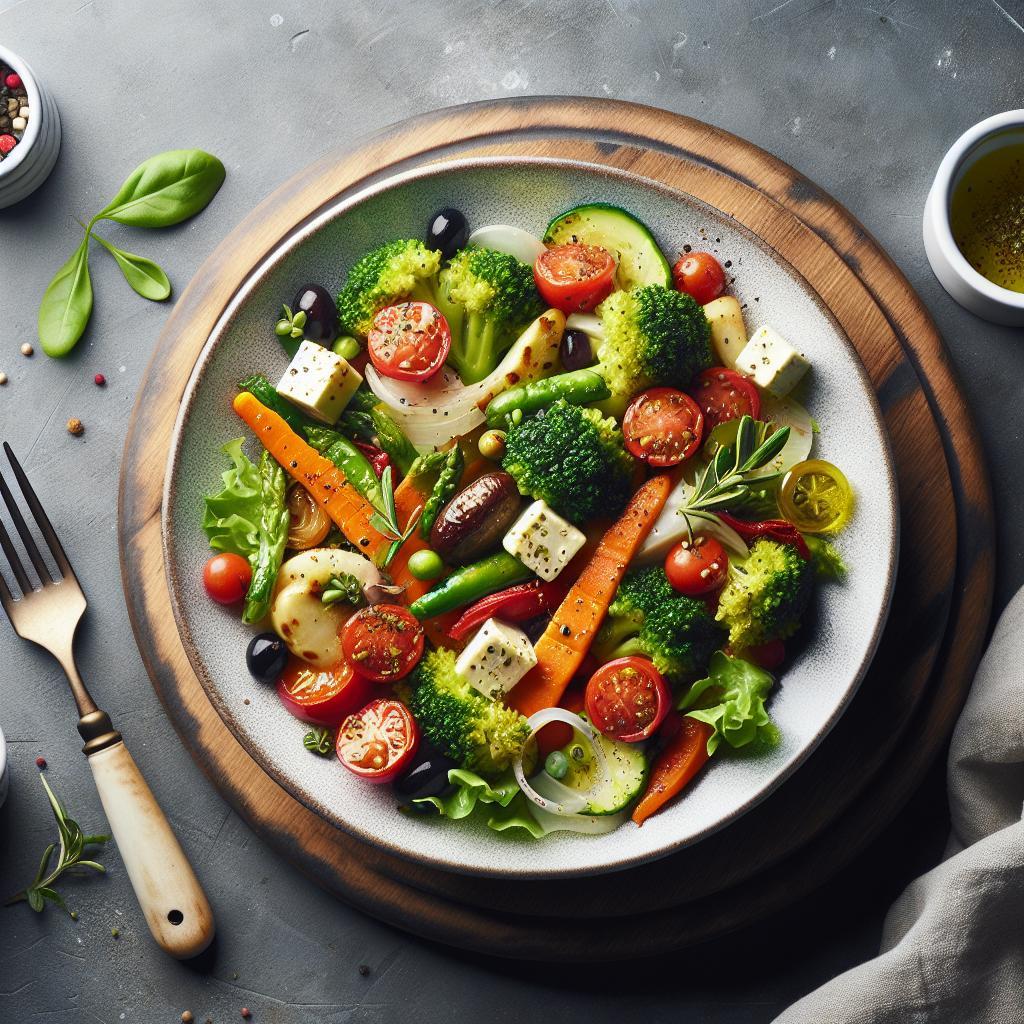

Step into a vibrant kitchen where vegetables lead every plate: welcome to veggie Italian cuisine. This tradition elevates seasonal produce with precise technique and bold flavor.
- Rooted tradition: Italian vegetarian cooking pairs simple ingredients into deeply flavored plates.
- Regional variety: Each region highlights a different vegetable profile and technique.
- Practical dishes: Recipes scale from weeknight dinners to elegant entertaining.
- Make ahead: Several veggie preparations improve after resting or refrigerating.
Essential Ingredients That Bring Italian Veggie Cuisine to Life
High-quality staples create the backbone of Italian vegetarian dishes. For example, olive oil provides fat, mouthfeel, and aromatic compounds that carry herbs and roasted notes.
For reference on the ingredient, see olive oil. Cheeses such as ricotta and Parmigiano add umami and texture when used sparingly alongside veg.
Fresh herbs transform a dish with one small handful. Basil and oregano release essential oils when torn or bruised, which lift vegetables without masking them.
Learn more about common herbs via basil. Finally, legumes and grains—like beans and polenta—provide protein and heft in many regional plates.
Regional Vegetarian Flavors That Define Italy’s Culinary Diversity
Italy’s regions produce distinct vegetable-forward dishes that reflect climate and history. Tuscany favors hearty soups and bean-based mains that pair well with robust bread.
One classic example is ribollita, a reheated vegetable-and-bean soup that showcases bread, greens, and slow-simmered stock. Roots and leafy greens anchor Tuscan plates.
In the south, especially Sicily, cooks layer sweet and savory elements like eggplant, olives, and capers. The result balances acid, salt, and caramelization to create bright comfort food.
Liguria highlights herbs and nuts. For instance, pesto genovese turns basil and pine nuts into a concentrated green sauce that elevates vegetables, pasta, and breads with aromatic fat.
Must-Try Veggie Italian Recipes to Elevate Your Home Cooking
A small set of techniques reproduces big flavors: roasting intensifies sweetness, grilling adds smoke, and slow simmering develops savory depth. Apply these consistently for reliable results.
Try simple templates: roast-root vegetables with herbs, fold greens and beans into soups, or top grilled polenta with braised vegetables. These combinations scale well for family meals and dinner parties.
Polenta alla Griglia with Roasted Mediterranean Vegetables
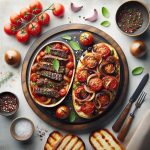
This dish represents how starch, char, and roasted veg combine to create a satisfying vegetarian main. Polenta supplies creamy body while roasted peppers, zucchini, and tomatoes contribute concentrated sweetness.
Polenta itself has a long culinary history; review its traditional uses at polenta. When grilled, polenta gains a crisp exterior that contrasts perfectly with tender vegetables.
Prep and Cook Time
Prep Time: 15 minutes. Prepare mise en place for faster roasting and grilling. Ready pans and utensils first to prevent overcooking while you chop.
Cook Time: 30 minutes. Total time depends on polenta setting and vegetable caramelization. Monitor roast color for best flavor.
Yield
Serves 4. This recipe scales linearly: double liquid for double polenta, and roast vegetables on two sheets to avoid overcrowding.
Leftovers keep well and often taste better after resting; reheat grilled slices quickly to restore crispness.
Difficulty Level
Easy. The technique relies on timing rather than advanced knife work. A confident home cook can produce excellent results on a weekday evening.
Use a heavy grill pan or cast-iron skillet to achieve authentic char and Maillard crust on polenta slices.
Ingredients
1 cup coarse cornmeal (polenta), 4 cups vegetable broth, 2 tbsp olive oil, zucchini, red and yellow bell peppers, cherry tomatoes, garlic, fresh rosemary, thyme, salt, pepper, basil, and optional grated Parmigiano-Reggiano.
Substitutions: use plant-based cheese for vegan plates; swap seasonal veg like eggplant or asparagus as available. Adjust herbs to match the vegetable profile.
Instructions
1. Prepare polenta: Bring broth to a simmer, whisk in cornmeal, and reduce heat. Stir until thick and smooth. Keep the movement steady to prevent lumps.
2. Simmer gently: Cover and cook on low, stirring every 5 minutes for 20 minutes. Finish by stirring in olive oil and salt, then pour into a lined pan to set. Chill briefly until firm.
3. Roast vegetables: Toss zucchini, peppers, tomatoes, and garlic with oil, rosemary, thyme, salt, and pepper. Roast at 400°F (200°C) until caramelized and tender, about 20 minutes.
4. Grill polenta: Slice set polenta, brush with oil, and grill 3–4 minutes per side until golden. Plate grilled slices, top with roasted vegetables, garnish with basil, and finish with optional cheese.
Chef’s Notes
For creamier polenta, stir a splash of milk or plant-based milk in the final minutes of cooking. This adds silkiness without diluting flavor.
Polenta firms faster when spread thin; for a creamier interior choose a slightly deeper set pan and allow shorter chill time.
Make-Ahead and Storage
Cook polenta up to 24 hours ahead and keep covered in the refrigerator. Reheat briefly before grilling to restore pliability and surface moisture for browning.
Store roasted vegetables separately to avoid sogginess. Combine at serving time for best texture and temperature contrast.
Serving Suggestions
Pair grilled polenta and roasted vegetables with a crisp green salad dressed in lemon and olive oil. The acid brightens the plate and cuts richness.
Offer toasted nuts, toasted pine nuts, or pumpkin seeds to add crunch. A small bowl of sun-dried tomato pesto makes a concentrated flavor boost for guests who want extra umami.
| Nutritional Information (per serving) | Amount |
|---|---|
| Calories | 320 kcal |
| Protein | 8 g |
| Carbohydrates | 45 g |
| Fat | 10 g |

Practical Tips for Consistent Results
Control heat and time. Roasting at higher temperatures drives caramelization; slow simmering concentrates flavor. These adjustments make predictable differences across recipes.
Also, season in layers. Add a baseline salt during cooking and adjust at the end. Herbs added raw give aroma; herbs added early provide background flavor.
Build umami with fermentation, aged cheese, or toasted nuts when a meat-like depth is desirable. Small amounts go a long way in vegetarian cuisine.
Finally, preserve texture contrasts—combine creamy, crispy, and al dente elements to maintain interest across a whole meal.
Insights and Conclusions
Vegetable-led Italian cooking rewards attention to ingredient quality and technique. Simple steps—roasting, grilling, and timely seasoning—deliver dishes that feel complete and fulfilling.
By learning a handful of templates and stocking focused pantry items, cooks can produce varied vegetarian menus that reflect regional Italian identities and modern taste preferences.
FAQ
What pantry items should I keep for Veggie Italian cooking?
Keep quality olive oil, canned whole tomatoes, dried pasta shapes, good sea salt, garlic, and a variety of dried herbs. These staples support many quick vegetarian dishes.
Add beans, polenta, and a selection of vinegars for balance and versatility in sauces and salads.
How can I make polenta that holds together for grilling?
Cook polenta until thick and creamy, then pour into a shallow, lined pan to set. Chill until firm and slice thickly before grilling for best structural integrity.
Use slightly less liquid than for spoonable polenta when you plan to grill; this concentrates solids and aids slicing.
Can I convert classic Italian meat dishes into vegetarian versions?
Yes. Replace meat stocks with concentrated vegetable broths, then use mushrooms, legumes, or roasted squash to add savory weight. Also, use slow reductions to mimic the depth normally supplied by meat.
Experiment with umami enhancers like aged cheese or miso for a more rounded savory profile where appropriate.
Which regional veggie dishes should I try first?
Start with Tuscan ribollita, Ligurian pesto-accented dishes, and Sicilian caponata. Each showcases a clear technique and ingredient focus that teaches broader applications.
These plates adapt well to home kitchens and reveal how simple practices yield memorable vegetarian meals.
How do I keep roasted vegetables from getting soggy?
Roast at a high temperature on a single layer without overcrowding. Use enough oil to brown but not drown the vegetables, and turn them once for even coloring.
If you expect leftovers, slightly under-roast initially; re-roast or char briefly at service to refresh texture and flavor.
Buon appetito: follow these principles and you will consistently produce vibrant, vegetable-forward Italian dishes that satisfy both flavor and texture expectations.
See also: Veggie Italian