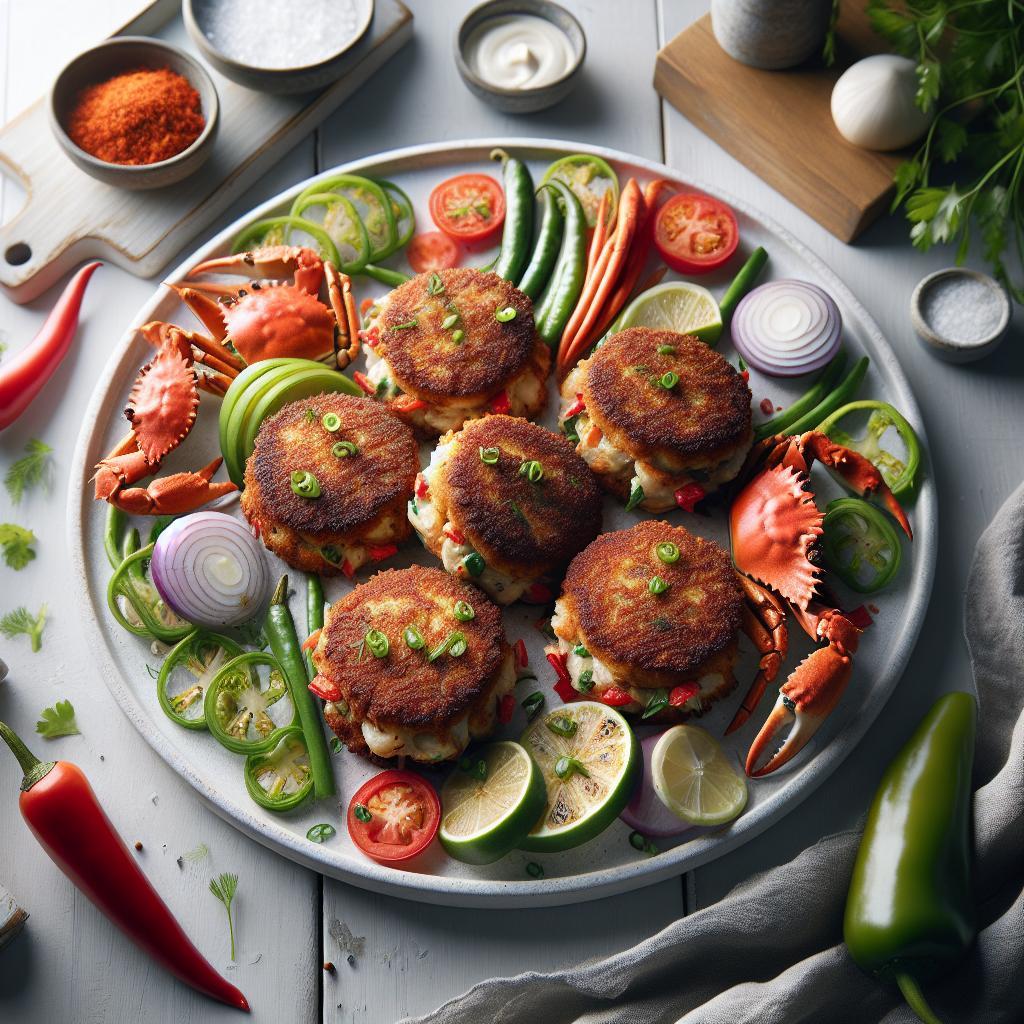

There is a magic in Cajun cooking that wakes the palate with smoky, spicy notes and coastal freshness. These Cajun crab cakes pair tender lump crab meat with bold spices to create a golden, crisp patty that speaks of the bayou.
- Key technique: Chill formed cakes to prevent breakage and ensure a crisp crust.
- Flavor balance: Use a measured Cajun spice mix—paprika, cayenne, garlic, thyme—for authentic heat.
- Texture tip: Keep crab lumps intact and use panko for lightness.
Savor the Spice: Mastering Authentic Cajun Crab Cakes guides you through ingredients, binding technique, frying strategy, and serving ideas so you can reproduce a classic at home. The approach focuses on preserving crab texture while delivering consistent seasoning and a dependable crust.
Prep and Cook Time
Preparation: 25 minutes. Cooking: 15 minutes. Total: 40 minutes.
These times assume you use fresh lump crab meat and have all mise en place ready. Allow extra chilling time if you refrigerate the cakes longer for sturdiness.
Yield
Makes 8 medium crab cakes, serving four as a main or six as appetizers. Size affects cooking time; roughly 3 inches wide and 1 inch thick works best.
Scale ingredients proportionally if you need more. You can shape them ahead and refrigerate for up to 24 hours, which also helps flavor meld.
Difficulty Level
Medium. The technique centers on gentle folding and controlled pan temperature to avoid drying the meat. Timing and modest handling yield the ideal flaky interior.
Tools matter: use a heavy skillet for even browning and a wide spatula for safe turning. A quick chill before frying makes the task much easier.
Ingredients
- 1 lb lump crab meat, picked free of shells
- 1/2 cup panko breadcrumbs
- 1/4 cup finely diced green onions
- 1/4 cup finely chopped red bell pepper
- 2 cloves garlic, minced
- 1 large egg, lightly beaten
- 3 tbsp mayonnaise or Greek yogurt
- 2 tsp Cajun seasoning (smoked paprika, cayenne, garlic powder, oregano, thyme)
- 1 tsp Dijon mustard
- 1 tbsp lemon juice
- 2 tbsp unsalted butter
- 2 tbsp neutral oil (canola, grapeseed)
- Salt & freshly ground black pepper to taste
- Chopped parsley for garnish
Use fresh lump crab for the best texture and delicate sweetness. For background on the crustacean itself, consult the crab entry for species and handling basics.
Choose panko for lift; traditional finer crumbs can make a denser cake. If you substitute canned crab, drain thoroughly and gently break up large pieces only as needed.
Instructions
1. Prepare the crab mixture
Gently combine lump crab, panko, green onions, and red bell pepper in a large bowl. Handle the crab lightly to preserve visible lumps for texture and presentation.
Keeping the crab intact gives a professional look and a pleasing mouthfeel. Cold ingredients hold together better as you form the cakes.
2. Mix the binder
Whisk egg, mayonnaise (or Greek yogurt), Cajun seasoning, Dijon, lemon juice, and minced garlic in a small bowl. Season sparingly with salt and pepper since crab and mayonnaise already provide sodium.
This binder adds moisture and emulsified fat that keep the cakes tender. Adjust cayenne to control the heat level without overpowering the crab.
3. Combine carefully
Pour binder over the crab mixture and fold gently with a rubber spatula until just incorporated. Avoid overworking; the goal is cohesion without mashing the crab lumps.
If the mixture feels loose, add tablespoons of panko one at a time until it holds. Remember that chill time firms the cakes further.
4. Shape and chill
Form eight even cakes about 3 inches across and 1 inch thick, then place on parchment and refrigerate at least 30 minutes. Chilling sets the binder and reduces breakage during cooking.
For advance prep, refrigerate up to 24 hours or freeze for a month. Thaw refrigerated cakes in the fridge before frying for even heat penetration.
5. Preheat skillet
Heat oil and butter over medium until shimmering but not smoking. The butter adds flavor while oil raises the smoke point, creating a stable frying medium.
Use a heavy skillet for even browning across the cake surface. Moderate heat gives a golden crust without drying the interior.
6. Cook the crab cakes
Place cakes gently in the skillet and cook undisturbed for 4–5 minutes until a deep golden crust forms. Flip with a wide spatula and cook another 3–4 minutes to finish.
Adjust the flame if the crust browns too fast; a slow, steady approach yields the best interior texture. Rest briefly on a rack to let excess oil drip off.
After frying, transfer cakes to a wire rack or paper towels for a minute to drain. Garnish with parsley and a lemon wedge right before serving to keep the crust crisp.
Tips for Success
Crab choice matters: Fresh lump crab yields the best bite and natural sweetness. Prefer sellers who can confirm handling and freshness.
Binding alternatives: Replace mayonnaise with Greek yogurt for a lighter feel, or add one teaspoon of Old Bay if you want a regional twist. Small changes affect moisture and should be tested once.
When you want an extra crisp surface, sear first on medium-high for 60–90 seconds to form a brown crust, then reduce heat to finish. This two-stage heat control locks flavor without overcooking.
Serving Suggestions to Elevate Your Cajun Feast
Serve crab cakes over a bed of crisp greens with a tangy remoulade or Creole mustard sauce. For context on the sauce tradition, see remoulade.
Pair sides like roasted corn succotash or sweet potato fries for contrast. A citrus spritz or iced mint tea balances the spices and refreshes the palate.
Refer to the cultural backdrop of the cuisine via the Louisiana cuisine article for inspiration on complementary dishes. Combining textures and cooling elements makes the meal memorable.
Nutritional Snapshot
Per serving (2 crab cakes): approximately 320 kcal, 26 g protein, 14 g carbs, 14 g fat. Values vary by ingredient brands and substitutions.
Use lighter binders and controlled oil amounts to reduce calories. When monitoring sodium, cut back on added salt and choose low-sodium mayonnaise.
| Nutrient | Per Serving (2 crab cakes) |
|---|---|
| Calories | 320 kcal |
| Protein | 26 g |
| Carbohydrates | 14 g |
| Fat | 14 g |
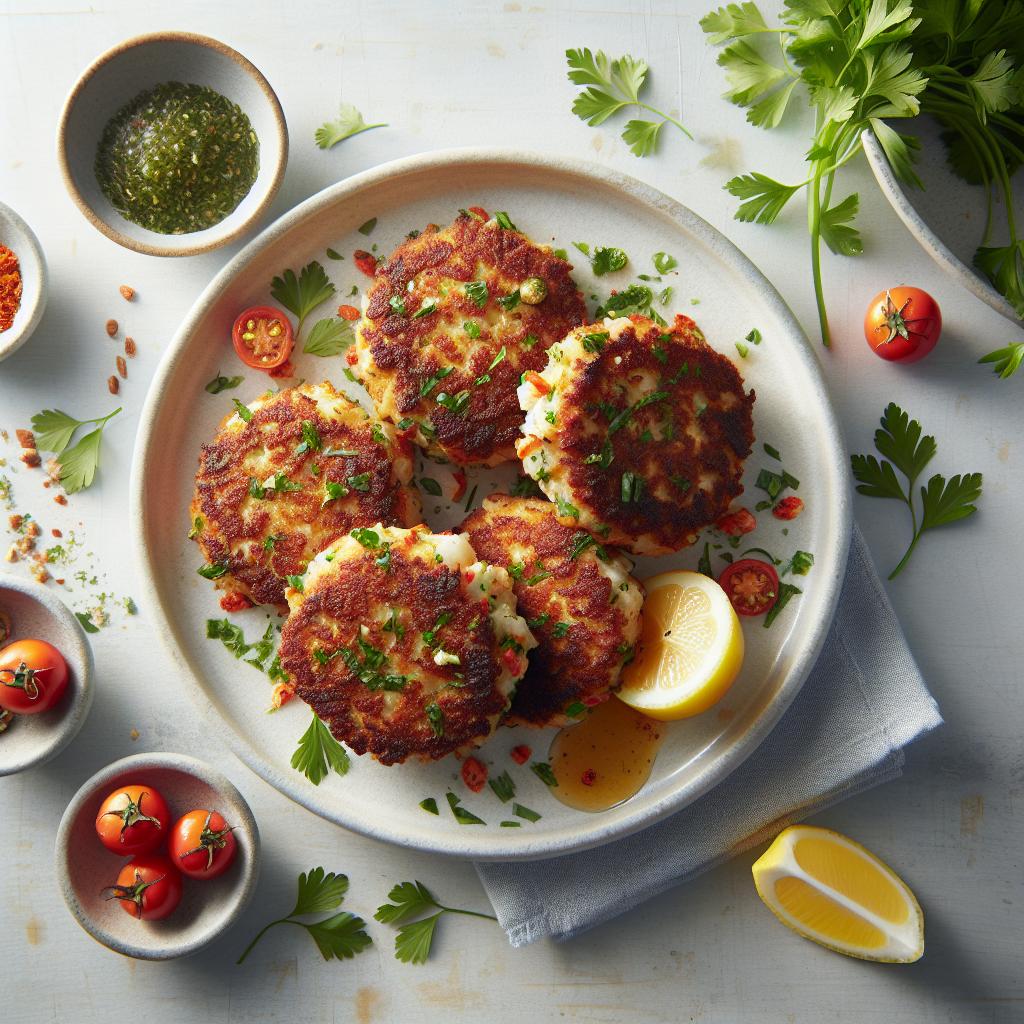
For cultural context, learn about the people who shaped this flavor profile via the Cajuns page. That history explains why bold spices and coastal ingredients pair so well together.
Q&A
Q&A: Savor the Spice — Key Questions
Q1: What differentiates Cajun crab cakes from other styles?
Cajun crab cakes use a pronounced spice mix—paprika, cayenne, garlic, thyme—that delivers smokiness and heat. They also favor visible crab lumps and a sturdy crust to balance bold flavors.
Q2: How do I preserve crab texture while binding the cake?
Fold the binder gently into the crab and add panko sparingly until mixture holds. Chilling the shaped cakes firms them and reduces the risk of falling apart during the sear.
Q3: Can I use canned crab meat?
High-quality canned lump crab can substitute when fresh isn’t available, but drain it thoroughly. Fresh crab retains a sweeter, firmer texture that most chefs prefer.
Q4: What is the best oil for frying?
Neutral oils with high smoke points like canola or grapeseed work best because they let the spices shine while producing an even, golden crust. Mixing butter with oil adds flavor without burning.
Q5: Are there vegetarian alternatives to capture the Cajun profile?
Yes. Heart of palm or artichoke-based cakes seasoned with the same Cajun blend mimic texture and flavor. Use a vegan binder like flax or vegan mayo to hold the cakes together.
Final Notes
Mastering Cajun crab cakes combines careful handling, balanced spice, and controlled frying. Use these steps to reproduce consistent results that highlight the crab and the region’s bold flavors.
Practice yields predictable browning and interior temperature. With the right technique, your crab cakes will offer crisp exteriors, juicy centers, and true Cajun flair.
See also: Crab cakes