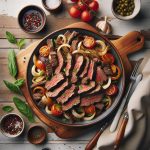
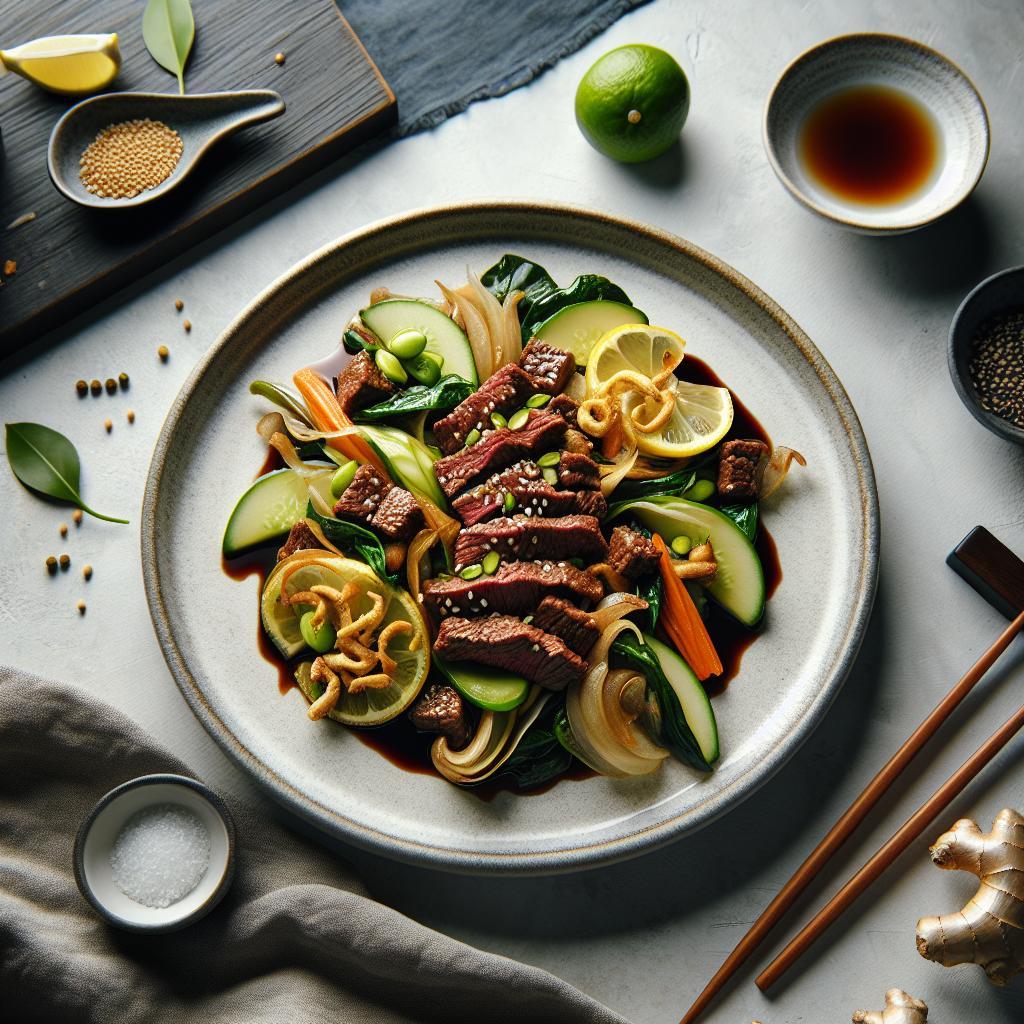

Savor the Zesty Harmony of Beef Ginger Delights
The pairing of tender beef and bright ginger creates a dish that balances savory depth and aromatic citrusy heat. This recipe focuses on technique, timing, and ingredient choices that deliver consistent, restaurant-quality results at home.
- Fast cooking keeps beef tender and ginger vibrant.
- Layering flavors—marinade, quick sauté, and final finish—builds complexity.
- Simple sides like jasmine rice enhance and absorb the sauce.
- Small adjustments to heat and sweetness personalize the dish without altering balance.
Below you will find precise timings, ingredient rationale, and pro tips that shorten the learning curve and increase success on the first try. The approach uses controlled high heat and short cook times to protect texture while maximizing flavor extraction.
Prep and Cook Time
Preparation: 15 minutes. Use that time to slice beef thinly and measure sauces so the wok time stays brief and efficient.
Cooking: 20 minutes. High-heat stir-frying takes only minutes; the remaining time covers sauce reduction and plating. Total turnaround is about 35 minutes for a four-person meal.
Yield
This recipe yields enough for four appetites when served with a starchy side. Portion control keeps nutrition estimates accurate and helps plate composition.
Adjust quantities linearly for larger groups; multiply ingredients and stagger cooking to avoid overcrowding the pan, which prevents proper searing.
Difficulty Level
Rated Medium—the technique is approachable but benefits from attention to small details like heat management and slicing against the grain. These steps make a large difference in tenderness.
Beginner cooks should practice one element at a time: slicing, marinading, then stir-frying. Each step trains muscle memory and shortens the path to consistent results.
Key Ingredients That Elevate the Zesty Experience
Choose a lean, quick-cooking cut such as sirloin or thinly sliced ribeye for a tender mouthfeel. Proper slicing across the grain is essential to reduce chewiness and improve bite.
Important pantry items include soy sauce and toasted oil for umami and aroma. For background on soy-based condiments, see the historical context of soy sauce.
- 300g lean beef sirloin, thinly sliced — quick cooking and predictable texture.
- 3 tablespoons fresh ginger, minced — the primary aromatic and tenderizing element.
- 2 cloves garlic, finely chopped — supports savory depth.
- 1 medium red chili, deseeded and thinly sliced — optional heat control.
- 3 tablespoons soy sauce — use low-sodium to control salt.
- 1 tablespoon oyster sauce — adds rounded, savory sweetness.
- 1 tablespoon honey — balances acidity and salt with a touch of glaze.
- 2 tablespoons vegetable oil — high smoke point for searing.
- 1 teaspoon toasted sesame oil — finish only, to preserve aroma.
- Fresh spring onions and cilantro for garnish
- Steamed jasmine rice or noodles to serve
Cooking Techniques to Perfect the Balance of Heat and Tenderness
Proper technique revolves around fast, high-heat cooking to achieve a caramelized exterior while keeping the interior tender. Preheat your pan until it is smoking lightly, then add oil to create an instant sear.
Avoid overcrowding; cook in batches if necessary so each slice gets direct contact with the hot surface. The brief sear traps juices and creates the Maillard reaction that defines savory depth.
- Marinate the beef: Toss sliced beef in 1 tablespoon soy sauce and 1 teaspoon honey for 10 minutes to season and tenderize.
- Preheat your wok or skillet: Use a well-seasoned wok or heavy skillet and keep heat high throughout.
- Quick aromatic fry: Sauté minced ginger and garlic 30 seconds until fragrant; do not brown the garlic to avoid bitterness.
- Flash-cook the beef: Add the beef in a single layer and flip once or twice for 3–4 minutes total until edges caramelize.
- Incorporate sauces: Stir in chili, oyster sauce, remaining soy sauce, and honey. Simmer 1–2 minutes to reduce and coat the beef lightly.
- Finish and rest: Remove from heat, drizzle sesame oil, toss, and plate immediately to preserve texture.
Allow at least one minute between batches to reheat the pan; this step restores searing temperature and prevents steaming.
Chef’s Notes and Tips for Success
Slicing against the grain is non-negotiable for tenderness. Use a sharp knife and a chilled roast for even, thin slices that cook uniformly.
Adjust sweetness and salt incrementally. Honey and oyster sauce add body; start conservative and finish by tasting the reduced sauce.
- Use sirloin or thin ribeye for balance between flavor and fat content.
- To increase heat, add finely chopped bird’s eye chili late in the cook.
- For gluten-free, replace soy sauce with tamari and check oyster sauce labels.
- Marinate up to 4 hours refrigerated for time-saving prep without sacrificing texture.
Serving Suggestions to Complement and Enhance Your Beef Ginger Delight
Serve the dish over fragrant starch like jasmine rice or toss with noodles for textural variety. The starch absorbs sauce and balances intensity.
Pair with lightly cooked greens such as bok choy or snap peas to introduce freshness and crunch. A small side of pickled cucumber ribbons adds acidity that cuts through richness.
- Steamed Jasmine Rice: Fragrant rice absorbs sauce and rounds the plate.
- Lightly stir-fried greens: Crisp contrast to the tender beef.
- Pickled cucumbers: Act as a bright counterpoint.
- Garnish: Fresh spring onions and cilantro for a cooling finish.
Nutritional Notes
The recipe balances protein and moderate fat content when lean beef is used. Typical per-serving values approximate 320 kcal with robust protein and modest carbohydrate content from the sauce and sides.
Adjust portions and side selections to match dietary needs. For example, extra vegetables increase volume without a large calorie uplift and improve micronutrient density.
| Nutrient | Per Serving |
|---|---|
| Calories | 320 kcal |
| Protein | 35 g |
| Carbohydrates | 12 g |
| Fat | 14 g |

Q&A
Below are focused answers to common execution and flavor questions so you can avoid mistakes and fine-tune results quickly.
Q1: What makes beef and ginger a great pairing?
Ginger provides a bright, slightly spicy counterpoint to beef’s savory weight, helping cleanse the palate and highlight meat flavors. The combination balances richness and aromatic lift, creating a multidimensional bite.
Q2: How does ginger affect meat texture?
Fresh ginger contains enzymes that gently loosen muscle fibers, contributing to tenderness when used carefully in marinades. Short marinades avoid over-softening while still improving mouthfeel.
Q3: What’s the best way to achieve a glossy, clingy sauce?
Reduce the sauce briefly over high heat after introducing honey and oyster sauce; this concentrates flavors and slightly thickens the liquid so it adheres to beef slices without becoming syrupy.
Q4: Can this dish be adapted to other cuisines?
Yes. Replace oyster sauce with fermented bean pastes for a regional shift, or add citrus and fish sauce for a Southeast Asian profile. The core technique—fast, hot cooking with layered aromatics—remains effective across styles.
Q5: How should leftovers be handled?
Cool quickly and refrigerate in a covered container for up to 3 days. Reheat gently in a hot skillet with a splash of water to revive sauce texture without overcooking the beef.
Final Notes and Practical Next Steps
This method prioritizes heat control, ingredient quality, and timing to deliver consistent, flavorful results. Simple adjustments to sweetness, spice, and side pairing let you tailor the dish to different preferences and occasions.
Practice slicing and timing once or twice; repetition sharpens speed and judgment. After a few tries you will consistently produce tender, aromatic beef ginger dishes suitable for weeknights or special dinners.
See also: beef ginger