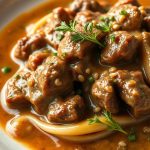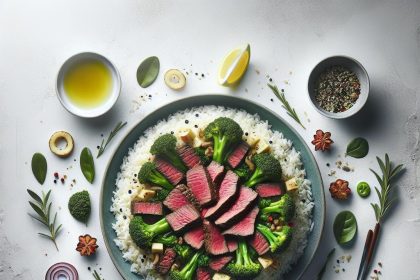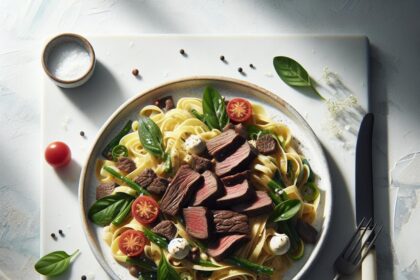

The classic Saltimbocca formula combines thin meat, aromatic sage, and a salty cured wrap to create a dish that delivers immediate flavor impact. This guide preserves that method while mapping practical swaps for turkey and beef so you can match texture and intensity to your menu goals.
- Key technique: pound proteins thin for even searing and fast sauce finish.
- Sage and acid: fresh sage plus lemon cut through richness and refresh the palate.
- Swap rules: maintain thin cuts and quick heat when substituting turkey or beef.
- Sauce focus: deglaze to capture pan fond for a glossy, balanced pan sauce.
Saltimbocca sits squarely inside the tradition of Italian cuisine, where simplicity and technique amplify a few high-quality ingredients. The hallmark remains the synergy of meat, herb, and a tight pan sauce that coats the protein for every bite.
Prep and Cook Time
Plan roughly 30 minutes from start to finish for a classic portion that serves four. Timing assumes thin-cut meat ready to sear and a quick pan-sauce finish.
Allow 15 minutes to prepare and 15 minutes to sear and reduce the sauce; rest briefly before serving to let juices settle. For beef variations, allow an extra 2-3 minutes for slightly thicker slices if needed.
Yield
This recipe yields four main-course portions when using 4 thin breasts or equivalent beef/turkey slices. Portion control helps preserve the intended balance between protein and sauce.
Adjust quantities proportionally: for larger gatherings, assemble components ahead and sear in batches to avoid crowding the pan and losing color.
Difficulty Level
Saltimbocca rates as medium skill: it requires confident pan control and an eye for sauce reduction. It rewards the cook who times heat and returns juices to the pan.
Home cooks comfortable with searing and simple pan sauces will find this technique accessible and repeatable. Precision in pounding and seasoning delivers the best results.
Recipe
The recipe below provides a classic chicken baseline, then details adjustments for turkey and beef. Follow the core technique and adjust sauce and seasoning for each protein’s character.
Use the ingredient list and step sequence as a template; the success factor is uniform thickness, quick searing, and a sauce built from fond and bright acid.
Ingredients for Classic Chicken Saltimbocca
- 4 boneless, skinless chicken breasts, pounded thin (about 6 oz each)
- 8 fresh sage leaves
- 8 slices prosciutto (or a lean cured alternative)
- 1 cup all-purpose flour, sifted
- 4 tablespoons unsalted butter
- 2 tablespoons olive oil
- 1/2 cup low-sodium chicken broth
- 1 lemon, juiced
- Fresh ground black pepper and sea salt, to taste
When selecting prosciutto or a cured substitute, choose a product with clean salt balance and minimal additives to avoid overwhelming the sage. For poultry-specific swaps, refer to protein notes below.
For more on the primary elements of this dish, consider the flavor roles of prosciutto and sage when you shop; both have distinct textures and aromatics that influence technique.
Step-by-Step Instructions
- Prepare the chicken: Place breasts on a board, cover with plastic wrap, and pound to about 1/4-inch thickness for uniform cooking.
- Layer sage and prosciutto: Lay two sage leaves on each breast, top with two slices of prosciutto, and press gently so they adhere.
- Coat with flour: Lightly dredge each assembled breast in sifted flour and shake off excess to avoid clumping in the pan.
- Heat the pan: Warm 2 tablespoons olive oil and 2 tablespoons butter in a large skillet over medium heat until foaming but not browned.
- Sear chicken: Add wrapped breasts, sauté until golden on the first side (about 3-4 minutes), flip carefully, and cook 2-3 minutes more until nearly done.
- Create sauce: Remove chicken, add stock and lemon juice to the pan, and scrape up fond with a wooden spoon to form the base of the sauce.
- Finish cooking: Reduce sauce slightly, return chicken to pan, spoon sauce over the top, and cook another 1-2 minutes until cooked through.
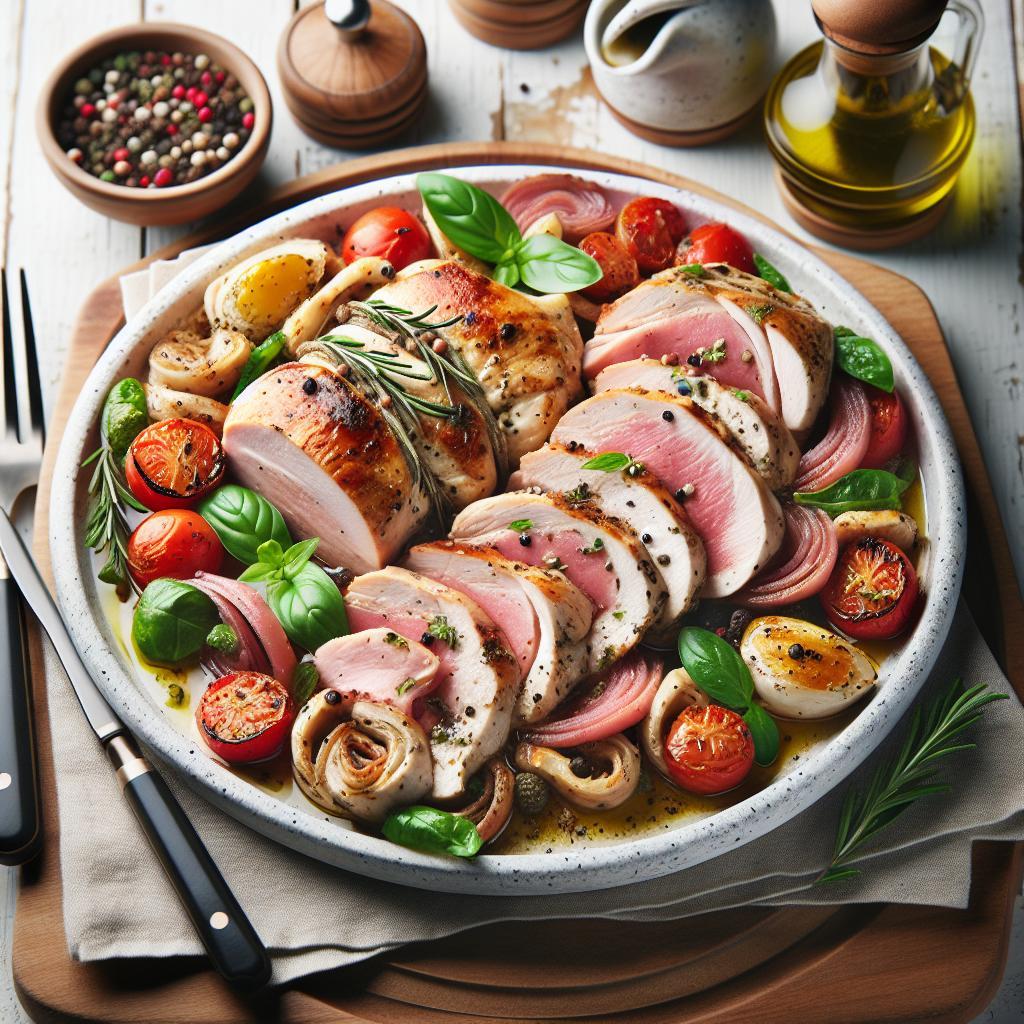
- Serve: Plate immediately with a drizzle of sauce, lemon zest, and a fresh sage leaf for aroma and contrast.
Technique note: maintain medium heat to develop color without burning the butter; a mix of oil and butter raises the smoke point and adds flavor. Rest proteins briefly to keep juices locked in.
For background on poultry handling and safety, consult the general guidance on chicken as food, especially if you adjust internal temperatures or storage.
Delving into Turkey Twist Variations for a Lighter Bite
Turkey prosciutto or thin turkey slices reduce fat and sharpen the dish toward a lighter profile. Turkey responds well to lemon and herb brightness because the lean meat needs a lift in mouthfeel.
Swap butter for extra virgin olive oil where you want a cleaner finish and use vegetable or turkey stock to keep sodium controlled. Add grilled veg like zucchini or roasted red pepper to introduce texture without weight.
Beefing Up Saltimbocca with Rich and Robust Flavors
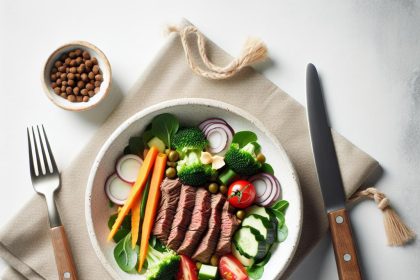
Beef saltimbocca transforms the dish into something more savory and substantial; choose thin-cut flank or sirloin slices to maintain rapid cooking and tenderness. The herb pairing shifts to support umami—thyme or rosemary can sit alongside sage safely for beef.
Deglaze with mushroom or beef stock and a short reduction to concentrate savory notes. Finish with shaved aged cheese for a salty, textural counterpoint that complements beef’s natural richness.
Expert Tips for Perfecting Saltimbocca at Home
Control thickness: uniform pounded pieces ensure consistent searing and prevent a dry interior. Use a meat mallet or rolling pin and measure thickness visually for repeatability.
Manage heat carefully: start on medium to develop fond, then lower if fat starts to brown too quickly. A glossy pan sauce forms when you capture and dissolve those browned bits into stock and acid.
Light dredging in flour helps achieve a golden crust and a slightly silky sauce as slurry forms during reduction. Avoid over-flouring which can thicken the pan sauce excessively and mask the herb notes.
Pro-Caution
When using cured products, monitor salt levels closely; cured meats can push the dish into overly salty territory if you add extra salt early. Season at the end and taste as you finish the sauce.
Serving Suggestions
Balance richness with light sides: creamy polenta, steamed broccolini, or a crisp arugula salad provide textural contrast and palate refreshers. Lemon or peppery greens help lift the plate.
Garnish minimally: a lemon wedge, a drizzle of olive oil, and a fresh sage sprig add visual and aromatic appeal without clutter. Keep portion sizes modest so the sauce remains the focal point.
Nutritional Comparison
Below is a simple nutrient table comparing classic chicken, a turkey variation, and a beef variation for a single serving. Use this to plan menus by calorie and macronutrient profile.
| Nutrient | Classic Chicken | Turkey Variation | Beef Variation |
|---|---|---|---|
| Calories | 320 kcal | 280 kcal | 410 kcal |
| Protein | 42 g | 45 g | 38 g |
| Carbohydrates | 10 g | 9 g | 7 g |
| Fat | 12 g | 8 g | 22 g |
These figures represent typical preparations and will vary by ingredient brand and portioning. When constructing a menu, adjust for added oils, butter, or cheeses that increase fat and calories.
Consider plating: serve immediately to retain texture and temperature, and minimize reheating to preserve tenderness and sauce quality.
Further Reading and Context
For broader context on cured meats and herb profiles in European cookery, consult reference material on prosciutto and classic herb usage. These resources clarify why certain pairings succeed.
If you explore protein substitutions beyond chicken, the entries for turkey and beef provide useful guidance on texture and fat composition relevant to searing and resting techniques.
FAQ
What exactly is Saltimbocca?
Saltimbocca is a format that pairs thin meat with herb and cured wrap, then finishes in a simple pan sauce. The name reflects the flavor pop the dish delivers across texture and aromatics.
How do turkey and beef versions differ from the chicken original?
Turkey yields a leaner, milder profile that benefits from citrus and olive oil to add moisture. Beef brings a bolder umami character and accepts heartier herbs and reductions for depth.
Can I assemble Saltimbocca ahead of time?
Yes. Assemble uncooked portions and store tightly wrapped for up to 12 hours in the refrigerator. Cook from chilled and finish with a warm pan sauce to serve fresh.
What are the best cuts of beef for Saltimbocca?
Choose thin-cut flank, skirt, or sirloin that you can quickly sear. Tenderize lightly if needed and maintain thinness so the sear stays fast and the interior remains tender.
How do I avoid over-salting when using cured meats?
Hold off on adding additional salt until the final sauce reduction. Taste the pan sauce before adjusting, and balance with lemon juice or a splash of stock if the cure has already added significant salt.
Final Thoughts
Saltimbocca’s strength lies in its formula: thin protein, herb, and a succinct pan sauce. That structure allows confident substitutions like turkey and beef when you respect cut, thickness, and finish.
Use technique and restraint: keep pans hot but controlled, assemble with attention to salt, and finish with bright acid. The result rewards with layered flavor, elegant presentation, and repeatable restaurant-quality outcomes.
See also: Saltimbocca