
Savoring Italy traces classic dishes that define regional tables across the peninsula. This guide pairs practical recipes with context so you can recreate antipasti, pasta, sauces, and dolce with authentic technique and confident timing.
- Focus: Practical recipes for antipasti, cacio e pepe, tomato-basil sauce, and a tiramisù-style dessert.
- Why it works: Simple ingredients and precise technique produce memorable, shareable meals.
- Tools: Basic kitchen gear, a large pot, a wide skillet, and quality cheese for the best emulsion.
- Plan: Make dessert ahead and serve antipasti at room temperature to maximize flavor.
Introduction to Italian meals and regional context
Italian meals reflect centuries of regional practice, seasonality, and resourceful cooking. From the butter-forward north to the tomato-bright south, each plate carries history.
To anchor technique and origins, consult references like Italian cuisine and regional entries such as Emilia-Romagna when you want deeper background. These sources explain why ragùs or cheeses vary from town to town.
Prep and Cook Time
Prep Time: 30 minutes. Cook Time: 45 minutes. These estimates assume one cook handling antipasti, pasta, sauce, and a quick dessert assembly.
Plan workflow: assemble antipasti first, simmer sauce while boiling pasta, and finish dessert last or make it the day before for best texture. This sequencing improves temperature control and ensures dishes plate at their peak.
Yield
Serves 6 comfortably when presented as a multi-course family-style meal. Portion antipasti and pasta conservatively if you plan a larger secondo or contorno.
Scale ingredients by 50% for 8–10 guests if you add a substantial main protein. Bulk rice, legumes, or a simple roasted fish make the meal feel complete without overcomplicating service.
Difficulty Level
Overall difficulty rates as medium due to technique in emulsifying cheese into pasta and balancing sauce acidity. The recipes require attention, not advanced skill.
Once you practice a few times, timing and texture become intuitive. Focus on controlling heat and reserving pasta water to master the creamy emulsion for cacio e pepe.
Ingredients
This ingredient list covers four components: an antipasti platter, classic pasta prepared in a cacio e pepe style, a tomato-basil sauce, and a tiramisù-inspired dessert.
Use high-quality, fresh ingredients where they matter most: olive oil, Pecorino Romano, ripe tomatoes, and good mascarpone make a measurable difference in outcome.
Antipasti Platter
1 cup marinated artichoke hearts, 1 cup roasted red peppers, 1/2 cup sun-dried tomatoes (oil-packed), 1/2 cup mixed olives, 1 ball fresh mozzarella (8 oz), 6 thin slices grilled eggplant, 1/2 cup arugula. Arrange to taste and drizzle with extra virgin olive oil.
Antipasti highlight contrasts: acid, fat, brine, and bitter greens. Alternate textures and colors on a wide board to encourage sharing and visual appeal.
Classic Pasta (Cacio e Pepe style)
12 oz spaghetti, 1 1/2 cups finely grated Pecorino Romano, 2 tbsp freshly cracked black pepper, 3 tbsp extra virgin olive oil, 1 tsp sea salt. Reserve 1 cup pasta water before draining.
Cacio e pepe depends on starch and cheese emulsification. Keep Pecorino finely grated and room temperature to prevent clumping when you build the sauce.
Tomato-Basil Sauce
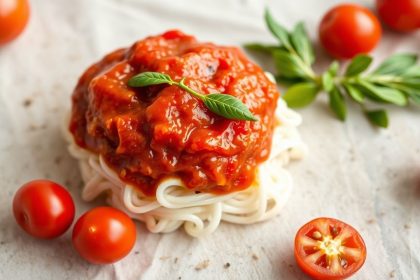
2 tbsp olive oil, 4 large ripe tomatoes (peeled and chopped) or a high-quality canned San Marzano, 3 cloves garlic (minced), a handful of fresh basil, salt to taste, pinch of sugar if needed.
Strip basil leaves in at the end to preserve aroma. Slow simmering concentrates sweetness and melds flavors without relying on excessive fat.
Indulgent Tiramisu-inspired Dessert
1 cup mascarpone, 1 cup strong brewed espresso (chilled), 2 tbsp honey, 1 cup crushed ladyfingers, 2 tbsp unsweetened cocoa powder, 1 tsp vanilla. Layer gently and chill to set.
Make-ahead resting develops harmony between coffee and mascarpone. For clarity on the classic dessert’s origin and variations, see Tiramisù.
Remove cross-contact risks by using separate serving utensils and clean prep surfaces. If guests require gluten-free options, substitute certified GF ladyfingers and pasta.
Instructions
Follow a clear sequence: antipasti first, sauce simmering while pasta cooks, then finish pasta with reserved water and cheese to create an emulsion. Dessert can be made ahead for best texture.
Use the instructions below as a timing map. Consistent technique and controlled heat deliver reliably balanced plates every time.
Step-by-step: Antipasti to Dessert
Prepare the antipasti platter by arranging artichokes, roasted peppers, sun-dried tomatoes, olives, fresh mozzarella, and eggplant on a wide board. Scatter arugula and finish with a light drizzle of extra virgin olive oil and a pinch of flaked sea salt.
Let antipasti rest at room temperature for 20 minutes to amplify aroma and soften oils. Cold cheese straight from the fridge mutes flavor; brief tempering makes a marked difference.
Cooking the Pasta and Sauce
Bring a large pot of salted water to a rolling boil and cook spaghetti until al dente (about 9 minutes). Reserve 1 cup pasta water before draining to use for the emulsion.
In a wide skillet on low heat, warm olive oil and toast cracked pepper for 1–2 minutes until fragrant. Add drained pasta, then sprinkle Pecorino while tossing; add reserved pasta water gradually to create a silky coating.
Tomato-Basil Sauce Execution
Heat olive oil over medium heat and sauté minced garlic until just golden. Add chopped tomatoes, salt, and a pinch of sugar, then simmer uncovered for 12–15 minutes until reduced and balanced.
Tear basil into the sauce at the end for peak aromatic impact. Spoon alongside the pasta or toss briefly for a lighter, tomato-forward variation.
Assembling the Dessert
Fold honey and vanilla into mascarpone until smooth. Lightly dip crushed ladyfingers in chilled espresso and layer in small glasses with the mascarpone mixture.
Dust cocoa powder on top and chill at least one hour. The dessert gains body if made the day before, which allows flavors to knit without losing texture.
Chef’s Notes
Technique matters more than complexity. For cacio e pepe, the key is slow addition of pasta water while tossing vigorously to integrate cheese into a glossy emulsion rather than clumping into grainy bits.
When choosing cheese, grate Pecorino finely and let it rest at room temperature so it melts evenly. For a milder finish, blend with Parmigiano-Reggiano in small proportion.
Use quality olive oil as a finishing element rather than a cooking necessity—a fruity, slightly peppery extra virgin can elevate antipasti and the final plating.
Serving Suggestions
Serve antipasti on a rustic wooden board with small tongs so guests can help themselves. Offer thinly sliced bread or crostini for texture contrast.
Present cacio e pepe in shallow bowls topped with extra grated Pecorino and an extra dusting of cracked pepper. Pair tiramisù cups with espresso or a light dessert wine for a classic finish.
Nutrition & Calories
The table below gives per-component estimates. Nutritional values vary by ingredient brand and portion size, so use the table as a planning guide rather than an exact label.
| Component | Calories | Protein (g) | Carbs (g) | Fat (g) |
|---|---|---|---|---|
| Antipasti Platter (per serving) | 180 | 6 | 8 | 14 |
| Cacio e Pepe Pasta | 520 | 22 | 70 | 16 |
| Tomato-Basil Sauce (per ½ cup) | 60 | 1 | 10 | 2 |
| Tiramisu-Inspired Dessert | 320 | 7 | 30 | 18 |
For broader reading about pasta shapes and their pairing, see our ultimate guide to pasta shapes and sauces. To explore recipes by region, consult our regional Italian recipes hub.
Further reading and cultural context
To understand the cultural roots, reference authoritative entries such as Pasta and Antipasto. These pages explain the evolution of shapes, pairings, and meal structure across Italy.
Coastal traditions emphasize seafood and simplicity; inland regions emphasize dairy and slow-cooked sauces. Use these distinctions to choose proper pairings and portion sizes for a balanced menu.
FAQ
What makes Italian meals so enduring?
Italian meals endure because they pair seasonality with straightforward technique. Local ingredients and family recipes create repeatable, comforting outcomes that travel well.
Regional specificity also preserves diversity; what works in Emilia-Romagna differs from Sicily, and that variety keeps the cuisine dynamic and accessible.
Which courses form a traditional Italian meal?
Traditional sequence: antipasto, primo (usually pasta or risotto), secondo (protein), contorno (side), and dolce (dessert). Each course serves a functional role in balancing texture and flavor.
Adjust courses by occasion—weekday dinners often skip multiple courses, reserving the full sequence for celebrations and long, shared meals.
How do I prevent cheese from clumping in cacio e pepe?
Use very finely grated Pecorino and add pasta water slowly while tossing off direct high heat. The starchy water and motion create a smooth emulsion rather than grainy clumps.
Work in a wide skillet and keep the pan warm, not smoking, while integrating cheese. A short rest after tossing helps set the sauce evenly on the noodles.
Can I make tiramisù ahead of time?
Yes. Refrigerate tiramisù for at least one hour, preferably overnight. Resting improves texture and allows flavors to meld without additional effort on service day.
If planning for travel or transport, set the dessert in individual cups to simplify plating and portion control at the table.
Where can I read more about Italian culinary history?
Begin with reputable cultural sources such as the Italian cuisine Wikipedia entry and region-specific pages. Scholarly texts and food archives add deeper historical context for serious study.
Use those resources to trace ingredient origins, like how olive oil shaped Mediterranean diets or how pasta varieties evolved with regional preferences.
Buon appetito—use technique, quality ingredients, and thoughtful timing to bring the spirit of Italian meals to your table.
See also: Italian meals