
10 Proven Beef Pot Techniques: Ultimate Guide to Beef Pot Cooking
By Chef Elena Martin, culinary instructor and recipe developer with over 15 years teaching slow-cook methods and hearty braises.
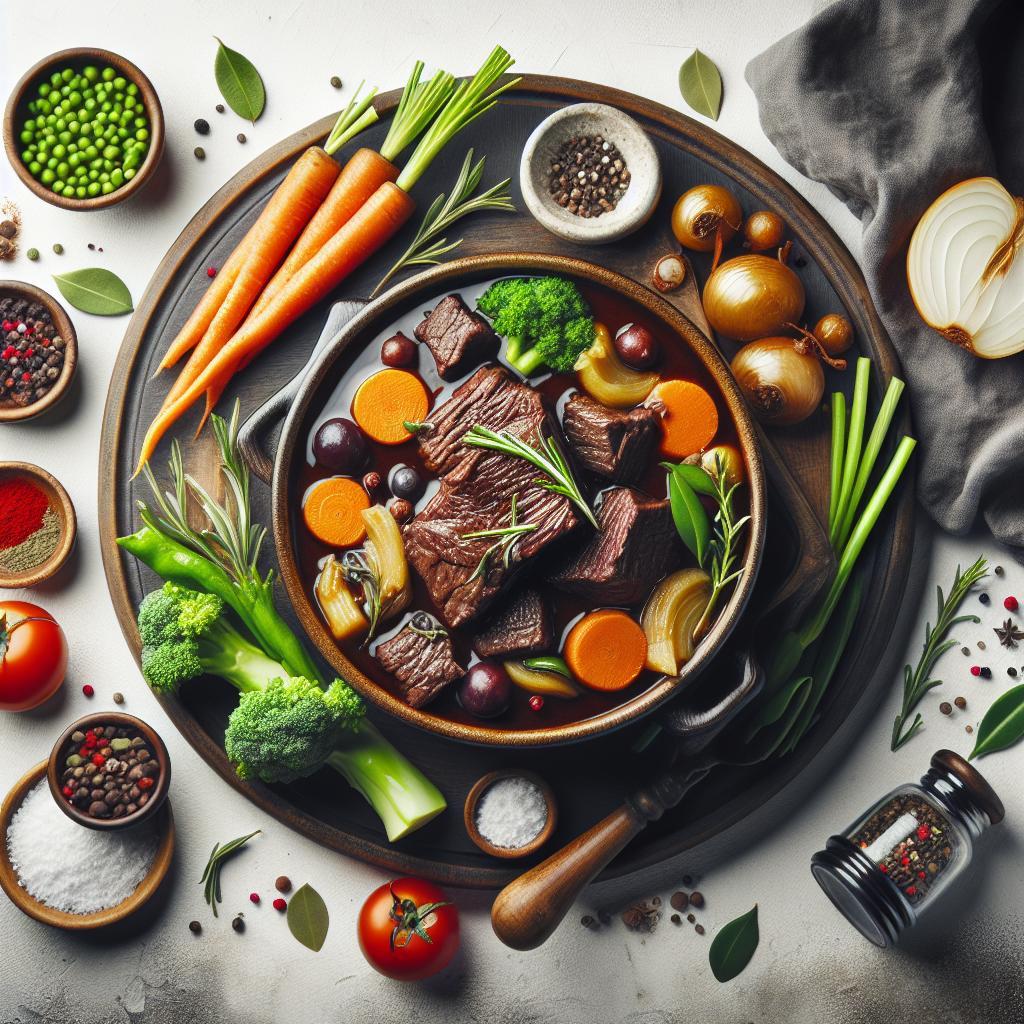
The classic beef pot delivers deep, concentrated flavor when handled correctly. This beef pot guide covers cut selection, searing strategy, seasoning balance, and timing so home cooks can produce consistent, tender results every time.
- Build flavor: Sear, layer aromatics, and deglaze to capture Maillard richness.
- Pick the right cut: Use well-marbled beef like chuck or brisket for gelatin-rich sauce.
- Control heat: Maintain a low simmer for 2.5–4 hours for fork-tender beef.
- Plan ahead: Make ahead and chill to let flavors meld and the sauce clarify.
Beef Pot: Prep and Cook Time
Preparation: 20 minutes. Cooking: 3 to 4 hours at a gentle simmer produces the best texture for most recipes.
Time estimates change if you use a pressure cooker or slow cooker. A pressure cooker shortens active time to roughly 45–60 minutes with a natural release, while a slow cooker runs 4–8 hours on low for similar tenderness.
Beef Pot: Yield and Difficulty
This recipe yields about 6 generous servings, depending on side dishes and portion size. The technique sits at a medium difficulty: timing and heat control matter more than advanced skills.
Follow steps precisely, and the method scales. For larger batches, increase cooking liquid slightly and use a wider pot to encourage even reduction of the sauce.
Beef Pot Ingredients
Core ingredients remain simple: beef, aromatic vegetables, stock, and seasoning. Below is a reliable ingredient list tuned for depth of flavor.
Ingredients: 2 lb beef chuck roast (2-inch cubes), 3 tbsp olive oil, 1 large onion (finely chopped), 3 garlic cloves (minced), 4 carrots (chunks), 3 celery stalks (sliced), 4 cups low-sodium beef broth, 2 tbsp tomato paste, 1 tbsp Worcestershire sauce, 2 tsp dried thyme, 2 tsp dried rosemary, 1 tsp smoked paprika, 1 bay leaf, salt and black pepper, 2 tbsp all-purpose flour (or cornstarch/tapioca for gluten-free).
Step-by-Step Beef Pot Instructions for Tender, Juicy Results
1. Dry and dust the beef: Pat beef cubes dry to promote browning. Lightly dust with flour or chosen starch; this helps with crust and later thickening.
2. Brown in batches: Heat oil in a heavy pot or Dutch oven. Sear without crowding until a deep brown crust forms then set meat aside. Proper searing creates a robust base for the sauce.
3. Sauté aromatics: Reduce heat and sweat onions, carrots, and celery until they soften and begin to color. Add garlic at the end to avoid burning and bitterness.
4. Deglaze and combine: Stir in tomato paste, cook briefly, and add a splash of stock to scrape up browned bits. Return the beef and pour in remaining broth with Worcestershire and herbs.
5. Simmer low and slow: Bring to a barely audible simmer, then cover and cook 3–4 hours, stirring occasionally. The low heat converts collagen to gelatin without drying the meat.
6. Finish and thicken: Remove bay leaf, taste and adjust seasoning. Thicken with a cornstarch slurry if needed and simmer 5–10 minutes until glossy.
Beef Pot: Choosing the Right Cut
Select well-marbled, connective tissue–rich cuts that break down during long cooking. Chuck is the classic choice because its collagen turns into gelatin, enriching sauce body and texture.
Alternatives include brisket and bottom round. Avoid lean steaks; they lose moisture and become stringy with extended simmering. For more on common beef cuts, see beef and chuck cut references.
Beef Pot: Flavor Profile and Seasoning Strategy
Herbs like thyme and rosemary form a savory backbone, while smoked paprika adds warmth and subtle smoke. Build intensity in layers—start with searing, then aromatics, then concentrated seasonings.
Finish with fresh herbs for brightness. Use fresh herbs at roughly three times the volume of dried to maintain balance. Acidic notes from a splash of vinegar or wine can lift a heavy sauce without masking beef flavor.
Beef Pot: Chef’s Notes and Practical Tips
Use a heavy-bottomed pot to maintain stable heat. A crowded pan drops temperature, leading to poor browning and anemic sauce color. If you want caramelized vegetables, brown them separately and combine later.
Use good stock. Homemade or high-quality beef stock improves clarity and richness. If using store-bought, choose low-sodium to control final seasoning. For gelatin development, cooked bones in homemade stock help build mouthfeel and sheen.
Beef Pot: Equipment and Technique Shortcuts
A heavy pot or Dutch oven provides even heat distribution and better reduction control. For faster timelines, use a pressure cooker to achieve tenderness in under an hour, with a natural pressure release to avoid shredding the meat.
A slow cooker works well when you’re away: low 4–8 hours produces similar tenderness, though browning beforehand yields better depth. For more on braising fundamentals, consult the braising page.
Beef Pot: Serving Suggestions
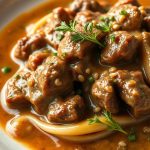
Serve the beef pot over creamy mashed potatoes, buttered egg noodles, or polenta to catch every drop. A crisp salad or lemon-dressed greens cut through richness and add balance to the plate.
Garnish with chopped parsley or fresh thyme. Crusty bread is ideal for mopping up sauce and adds welcome texture contrast to the tender meat.
Beef Pot: Make-Ahead and Storage
Making the beef pot a day ahead improves flavor. Chilling allows fats to firm and flavors to meld, and the sauce often becomes clearer after skimming cold fat before reheating.
Store refrigerated leftovers within two hours. Reheat gently over low heat to 165°F (74°C) to preserve meat texture. Freeze portions for up to three months in airtight containers.
Beef Pot: Nutrition (Per Serving)
Estimate per serving: about 450 kcal, 42 g protein, 15 g carbohydrates, 22 g fat. Values vary with cut choice, added fats, and portion size.
To reduce calories, trim excess fat before cooking and use low-fat stock. For higher-protein, leaner cuts work but expect less sauce body without gelatin rendered from fattier cuts.
Beef Pot: Troubleshooting
If the sauce is thin, reduce uncovered on medium heat until it coats the back of a spoon. For too-thick sauce, add small amounts of warm stock and whisk to unify texture.
If meat is dry, the cut may have been too lean or exposed to high heat. For stringy results, either reduce cooking temperature or switch to a different cut next time.
FAQ
What is beef pot cooking?
Beef pot cooking means simmering beef with liquid and aromatics in a covered pot. The prolonged low heat breaks down connective tissue into gelatin and concentrates flavors.
Which cuts work best for beef pot?
Choose well-marbled, connective tissue–rich cuts: chuck, brisket, or bottom round. These transform into tender, flavorful strands during extended simmering.
How do I get a glossy, well-textured sauce?
Sear meat to develop Maillard flavors, deglaze the pot, and simmer slowly to reduce. If needed, finish with a small cornstarch slurry or a dusting of roux to add sheen and body.
Can I adapt the beef pot for a pressure cooker?
Yes. Pressure cook 45–60 minutes on high and allow a 15-minute natural release. Finish by reducing the sauce uncovered if it needs concentration.
How long can I store leftovers?
Refrigerate within two hours and consume within 3–4 days. Freeze for up to three months for best quality. Reheat slowly to maintain tenderness.
See also: beef pot
- Beef Pot: Prep and Cook Time
- Beef Pot: Yield and Difficulty
- Beef Pot Ingredients
- Step-by-Step Beef Pot Instructions for Tender, Juicy Results
- Beef Pot: Choosing the Right Cut
- Beef Pot: Flavor Profile and Seasoning Strategy
- Beef Pot: Chef’s Notes and Practical Tips
- Beef Pot: Equipment and Technique Shortcuts
- Beef Pot: Serving Suggestions
- Beef Pot: Make-Ahead and Storage
- Beef Pot: Nutrition (Per Serving)
- Beef Pot: Troubleshooting
- FAQ