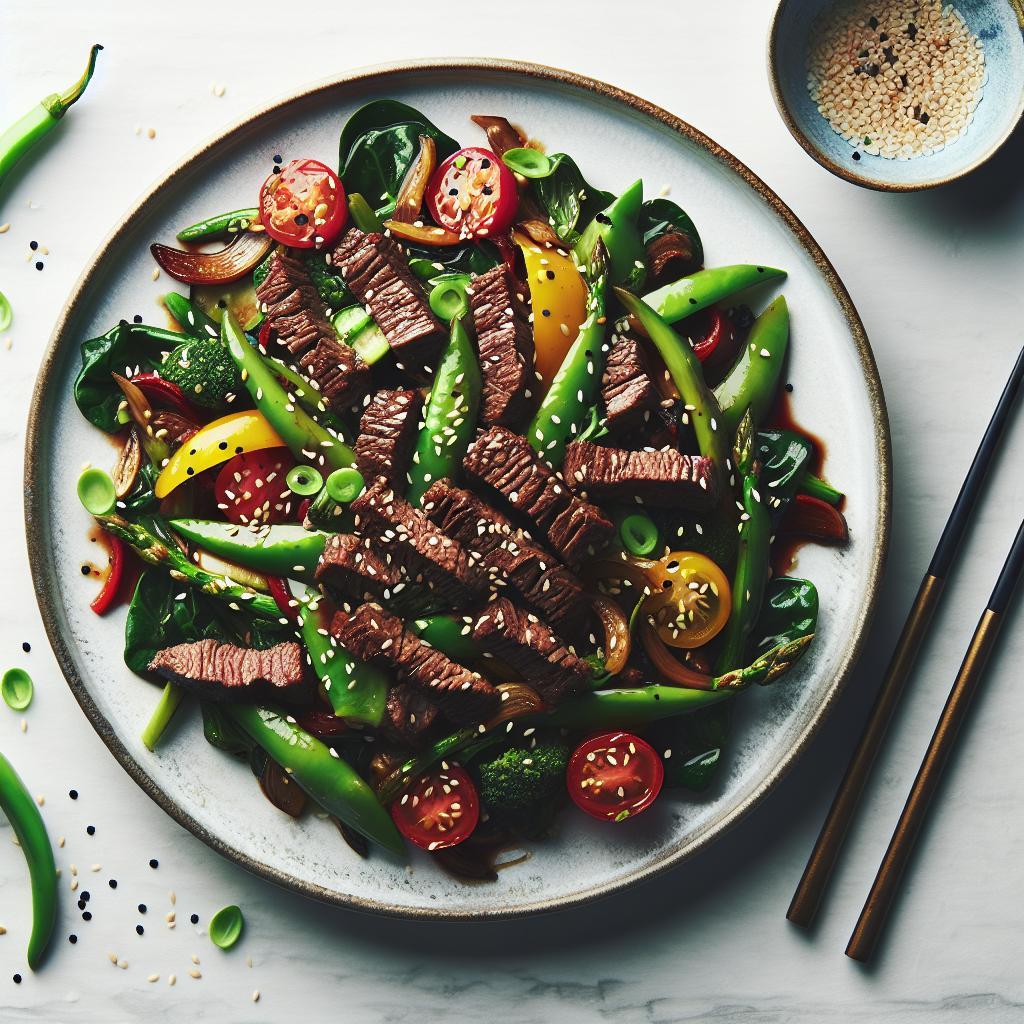

Savory Beef Sesame blends bold, familiar flavors with a nutty finish that elevates everyday beef into a dish you serve proudly. This recipe focuses on clear technique: precise marination, high-heat searing, and toasted sesame to deliver consistent results.
- Quick weeknight-ready: High-heat searing locks juices while the marinade builds flavor.
- Texture balance: Thin slices plus toasted sesame seeds create chew and crunch.
- Flexible swaps: Simple ingredient swaps keep the profile intact for dietary needs.
- Scales well: Marinate and cook in batches to preserve caramelization.
Exploring the Rich Flavors Behind Savory Beef Sesame
Savory Beef Sesame pulls from East Asian seasoning traditions to combine umami, sweet, and toasty notes in one pan. The dish centers on thin beef slices and toasted sesame components for a signature aroma and mouthfeel.
The protein link is central: quality beef yields a tender bite when cut thin and cooked fast; see more on beef. Toasted sesame seeds add a toasted oil layer that contrasts with bright aromatics like ginger and garlic; read about sesame seeds for background on that flavor profile.
Prep and Cook Time — Practical Timings
Plan a short active cooking window: the sear itself takes minutes while the marinade does the heavy lifting. Prep, marinate, and finish with a quick sauté to preserve texture and flavor.
Preparation: 15 minutes. Marination: at least 1 hour, ideally overnight. Cooking: 10 minutes. These times yield a balanced texture and depth without overcomplicating the process.
Yield and Difficulty
The recipe serves four generously when paired with rice or vegetables. It fits an intermediate skill level: you should be comfortable slicing against the grain and managing high heat.
Scaling up requires staggered cooking in batches to avoid overcrowding and loss of caramelization. Keep tools ready: a hot wok or heavy skillet, thermometer optional but helpful for oil temperature control.
Ingredients
Gather simple pantry staples and one technique-sensitive oil for flavor. The ingredient list emphasizes balance: salt from soy, fat from sesame oil, and sweetness from brown sugar.
- 1 lb beef sirloin, thinly sliced against the grain
- 2 tablespoons soy sauce, low sodium
- 1 tablespoon toasted sesame oil
- 1 tablespoon oyster sauce
- 1 tablespoon brown sugar, packed
- 3 cloves garlic, finely minced
- 1 tablespoon grated fresh ginger
- 2 green onions, finely sliced (white and green parts separated)
- 1 teaspoon sesame seeds, toasted
- 1/2 teaspoon freshly ground black pepper
- 2 tablespoons vegetable oil, for cooking
- Optional: 1 small red chili, thinly sliced for subtle heat
For readers seeking ingredient context, soy sauce brings fermented umami—learn more at soy sauce. Fresh ginger contributes sharp aromatic heat that cuts richness effectively.
Instructions
The technique divides into three phases: marinate, sear, and finish. Each phase focuses on preserving moisture and maximizing flavor transfer.
- Prepare the marinade: Whisk soy sauce, toasted sesame oil, oyster sauce, brown sugar, garlic, ginger, and the white parts of green onions until the sugar dissolves.
- Marinate the beef: Toss sliced beef in the marinade to coat evenly. Refrigerate at least 1 hour or overnight for deeper penetration.
- Toast the sesame seeds: In a dry skillet over medium heat, toast seeds 2–3 minutes until lightly browned and fragrant; watch closely to avoid burning.
- Cook the beef: Heat vegetable oil in a wok or heavy skillet until shimmering. Add beef in a single layer and sear 3–4 minutes, stirring frequently to caramelize without overcooking. Use multiple batches if the pan gets crowded.
- Finish touches: Stir in green parts of onions and optional chili, toss 30 seconds to meld flavors, then remove from heat.
- Plate and garnish: Serve immediately and sprinkle toasted sesame seeds for texture and aroma.
Stir-frying is an efficient, high-heat technique that sears while preserving succulence; see the method overview at stir-frying. Control heat and timing for repeatable results.
Tips for Success
Meat selection: Choose well-marbled sirloin or ribeye for tenderness and flavor; thin, even slices ensure uniform cook. Cut against the grain to shorten muscle fibers for a more tender bite.
Temperature control: Use a very hot pan and avoid overcrowding to promote Maillard browning. If you must cook in batches, keep finished portions loosely tented to retain warmth.
After the tip above, consider timing your sides so the main finishes straight from pan to plate for best texture. Small prep steps—measuring sauces, slicing aromatics—reduce stress at cook time.
Serving Suggestions to Elevate Your Dish
Serve Savory Beef Sesame over steamed rice or alongside crisp vegetables to balance richness. Simple side pairings add color and contrast without competing for attention.
Garnish with extra sliced green onions, a wedge of lime for brightness, and a final sprinkle of toasted sesame seeds for visual and textural appeal. Lettuce wraps offer a lighter, handheld presentation.
Creative Variations to Customize Your Flavor Experience
Small adjustments change the dish’s character. Add chili-garlic paste for heat, or fold in crushed roasted peanuts for added crunch and nutty depth.
For dietary swaps, use tamari for a gluten-free sauce, or substitute firm tofu for a vegetarian version while preserving the sesame profile. Serve over cauliflower rice for a low-carb option.
Nutritional Snapshot
The dish provides a balanced macronutrient profile with strong protein and moderate fat from beef and sesame. Carbohydrates remain low unless served with rice or noodles.
| Nutrient | Per Serving |
|---|---|
| Calories | 320 kcal |
| Protein | 28 g |
| Carbohydrates | 8 g |
| Fat | 18 g |

Q&A
The Q&A below answers frequent practical questions about technique, substitutions, and timing. Short, focused answers support repeatable kitchen success.
Q: What is Savory Beef Sesame, and how does it differ from traditional beef dishes?
A: Savory Beef Sesame pairs quick-seared thin beef with toasted sesame for a nutty finish and bright aromatics. It emphasizes balance between sweet, salty, and toasted notes rather than heavy gravy-style sauces.
Q: What are the key ingredients that give Savory Beef Sesame its unique flavor profile?
A: Key elements are thinly sliced beef, toasted sesame seeds and oil, soy sauce, fresh ginger, garlic, and a touch of brown sugar. Each component contributes to umami, heat, or toasty aroma.
Q: How can home cooks ensure their beef stays tender and juicy?
A: Marinate long enough to let the salt and aromatics penetrate, then sear quickly on high heat. Avoid overcooking by using thin slices and prompt removal from the pan when slightly caramelized.
Q: Can this dish be adapted for different dietary preferences?
A: Yes. Use tamari for gluten-free, firm tofu or seitan for vegetarian versions, and avocado oil for a high smoke-point neutral fat. Flavor balance remains consistent across swaps.
Q: Why are sesame seeds an important component?
A: Toasted sesame seeds add a crunchy contrast and release aromatic oil that layers over the meat’s savory profile. They provide both texture and a signature nutty aroma that defines the dish.
Insights and Conclusions
Savory Beef Sesame distills a few reliable techniques into a dish that rewards precise timing and simple ingredients. Clear marination and high-heat finishing produce a repeatable, restaurant-quality result at home.
Experiment with small variations—different cuts, minor sweet or spicy adjustments—to find your preferred balance. The structure of this recipe supports confidence and scale.
FAQ
How long can I marinate the beef safely?
Marinate in the refrigerator up to 24 hours for texture and flavor without breakdown. Acidic long marinades can begin to alter texture, so keep time reasonable.
What pan gives the best sear?
A heavy carbon-steel wok or a cast-iron skillet holds high heat and distributes it evenly, promoting a consistent Maillard reaction. Nonstick pans tend to limit browning.
Can I prepare components in advance?
Yes. Marinate the beef and toast sesame seeds ahead of time. Combine and sear at service for maximum texture and aroma.
What is a good starch to serve this with?
Steamed jasmine rice or short-grain rice pairs well; for lower carbs, use cauliflower rice or stir-fried vegetables to maintain balance.
How do I prevent sesame oil from burning?
Use toasted sesame oil as a flavoring in the marinade rather than a high-heat cooking oil. For searing, choose a neutral oil with a higher smoke point, then finish with a small drizzle of sesame oil off heat.
See also: Beef Sesame