
Savory Secrets: Crafting the Perfect Beef Sauce at Home
There is a simple chemistry behind a great beef sauce: controlled caramelization, a concentrated stock, and a final emulsification that yields shine and mouthfeel. Home cooks can reproduce restaurant-quality results by understanding how each step contributes to umami depth and texture.
- Build flavor: Brown aromatics and cook tomato paste for real umami.
- Control reduction: Simmer uncovered to intensify, then finish with butter for silk.
- Use quality stock: A good beef stock forms the backbone of depth.
Overview
This guide explains practical, repeatable steps to craft a balanced beef sauce suitable for steaks, braises, or mashed potatoes. Each section shows why you perform the step and how to adjust outcomes for body, gloss, and flavor intensity.
The approach uses classical techniques—sweating aromatics, deglazing, and reduction—paired with pragmatic tips for the home kitchen. Expect measured, actionable guidance rather than vague advice.
Prep and Cook Time
Prep Time: 20 minutes. Use this time to chop aromatics and measure ingredients. Good mise en place speeds the cook and prevents burning.
Cook Time: 45 minutes. Most of that is low simmering for reduction. Total time is roughly 1 hour 5 minutes from start to finish.
Yield & Difficulty
This recipe yields enough sauce for 4–6 servings, depending on how liberally you use it. It scales well; multiply liquid and flavor agents proportionally for larger batches.
Difficulty: Medium. The techniques require attention to heat control and tasting during reduction. Familiarity with browning chemistry helps, but strict precision is unnecessary.
Ingredients
Gather ingredients before you begin. Use a good-quality beef stock and fresh herbs for the most transparent result. If you use store-bought stock, choose low-sodium to retain control.
Below are primary components followed by optional enhancers. Measure in advance to maintain steady heat and rhythm while cooking.
- 2 tbsp extra virgin olive oil
- 1 medium onion, finely chopped
- 2 cloves garlic, minced
- 1 large carrot, diced
- 1 stalk celery, diced
- 2 tbsp tomato paste
- 2 cups high-quality beef stock, preferably homemade or low-sodium
- 1 tbsp Worcestershire sauce
- 1 tsp dark soy sauce
- 2 sprigs fresh thyme
- 1 sprig fresh rosemary
- 1 bay leaf
- Salt and freshly ground black pepper, to taste
- 1 tbsp unsalted butter
- 1 tsp cornstarch mixed with 1 tbsp cold water (optional)
Key Ingredients Explained
Mirepoix—onion, carrot, and celery—creates a savory base and supporting sweetness. For background reading on this classic base, see the mirepoix entry.
Tomato paste supplies concentrated glutamates and color when caramelized. Low-sodium stock lets you season late and avoid over-salting during reduction.
Optional Boosters
Dried porcini or shiitake add concentrated umami when rehydrated and introduced to the sauce. You can also boost depth subtly with a small splash of brewed coffee or a pinch of espresso powder.
For studies on savory taste, consult the science of umami, which explains why certain ingredients intensify perceived savoriness.
Instructions
Use a heavy-bottomed saucepan or shallow sauté pan to ensure even heat and stable reduction. Moderate, steady heat favors controlled caramelization and prevents scorching.
Follow the numbered steps for sequence. Keep a wooden spoon or heatproof spatula ready to deglaze and lift browned bits—their flavor is non-negotiable.
- Heat oil in the pan over medium until shimmering but not smoking.
- Sauté onion, carrot, and celery until softened and lightly golden, about 7–8 minutes. Stir periodically to build sweetness without burning.
- Stir in garlic and tomato paste. Cook 1–2 minutes until the paste darkens. This step concentrates sugars and forms umami compounds.
- Deglaze with stock, scraping the pan to release fond. Fond contains Maillard-derived flavor that enriches the sauce.
- Add Worcestershire, soy, thyme, rosemary, and bay leaf. Bring to a gentle simmer, then lower heat.
- Let simmer uncovered for 30–40 minutes, stirring now and then, until reduced and glossy.
- Remove herbs and bay leaf. Taste and adjust seasoning with salt and black pepper.
- Finish with butter off the heat and whisk to create a shiny, velvety emulsion.
- If thicker texture is needed, whisk in the cornstarch slurry and cook a further 1–2 minutes.
- Rest off heat for 5 minutes to let flavors marry before serving.
After reduction, evaluate acidity and salt. Mild acidity can balance richness; add a teaspoon of balsamic or a squeeze of lemon if the sauce needs lift.
Tips for Success
Small decisions during cooking change the outcome dramatically. Pay attention to color, smell, and viscosity rather than fixed times alone.
Use a quality, low-sodium stock and taste every 5–10 minutes once reduction begins. That tasting loop ensures you catch over-seasoning before it concentrates excessively.
- Ingredient Quality: A robust beef stock amplifies backbone flavor and reduces the need for extra salt.
- Caramelization: Let vegetables gain color; the resulting sugars round out umami.
- Make ahead: Sauce often improves after a day in the fridge. Reheat gently and add a splash of stock to loosen.
- Variations: Try cracked peppercorns, porcini, or a touch of smoked paprika for aromatic layers.
Serving Suggestions
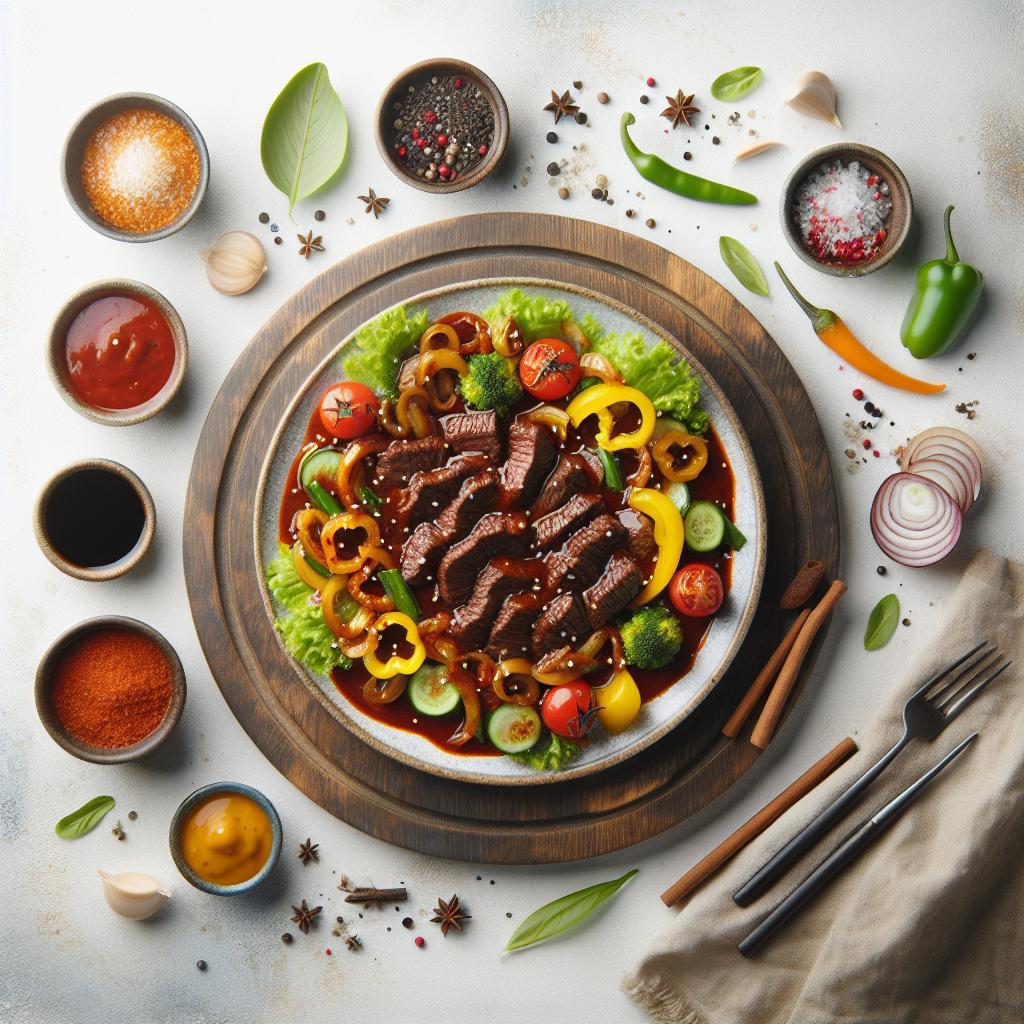
Serve the sauce spooned over seared steaks, roasted short ribs, or a mound of creamy mashed potatoes. Hot sauce maintains its gloss better on warm protein than on cold servings.
Garnish with finely chopped fresh parsley or thyme for a brightness counterpoint. For a rustic presentation, offer crusty bread for mopping.
Nutrition
The table below lists approximate nutrition per serving, based on a 4–6 serving yield. Values vary by stock and butter amounts.
| Nutrient | Per Serving |
|---|---|
| Calories | 110 kcal |
| Protein | 3 g |
| Carbohydrates | 10 g |
| Fat | 7 g |
Practical Notes on Technique
Deglazing immediately after browning captures the fond and dissolves flavor compounds into the liquid. Use stock rather than water for a direct flavor contribution.
Reduction concentrates both flavor and sodium. Therefore, err on the side of under-salting early; finish with small adjustments after reduction is complete.
Resources and Further Reading
For background on the cooking processes used here, these references explain the science behind flavor and texture. They aid understanding when you tweak the recipe.
Read about meat as an ingredient at the beef page, and learn how controlled evaporation changes sauces at the reduction (cooking) article.
FAQ
What is the foundation of a memorable beef sauce?
The backbone is a rich stock plus layered aromatics and controlled reduction. Each layer—browned aromatics, caramelized tomato paste, and deglazed fond—builds toward complex savoriness.
Finishing with butter or a slight acid balances weight and keeps the sauce lively on the palate.
How can I boost umami without beef stock?
Use rehydrated dried mushrooms, miso, or reduced mushroom stock. Small amounts of soy sauce or Worcestershire provide glutamates without overt meatiness.
Pair these boosters with caramelized tomato paste to achieve depth similar to beef stock.
Which herbs and spices work best?
Thyme, rosemary, and bay leaf form the classic aromatic trio. Add cracked black pepper and a pinch of smoked paprika for warmth. Use strong spices sparingly so they support rather than dominate the sauce.
Fresh herbs at the end maintain brightness; dried herbs should go in early during simmering for full extraction.
How do I achieve ideal texture?
Reduce to concentrate, then mount with cold butter for gloss and silk. Alternatively, use a light cornstarch slurry to thicken quickly; avoid over-thickening, which can feel cloying.
Textural contrast also helps: finely diced sautéed mushrooms or shallots add pleasant bite without breaking the sauce’s flow.
Can I make this sauce ahead of time?
Yes. Refrigerate for up to three days. Reheat gently and add a splash of stock to loosen the sauce. Re-emulsify with a small knob of butter if it separates.
Resting often improves coherence, as flavors continue to marry during cooling.
Insights and Conclusions
Mastering a beef sauce comes down to disciplined technique: controlled heat, measured reduction, and thoughtful finishing. Each step has a predictable effect on flavor and texture.
Practice these principles, adjust ingredients to taste, and you will consistently produce sauces that elevate any beef dish. The methods scale and adapt, whether you aim for rustic or refined results.

See also: beef sauce