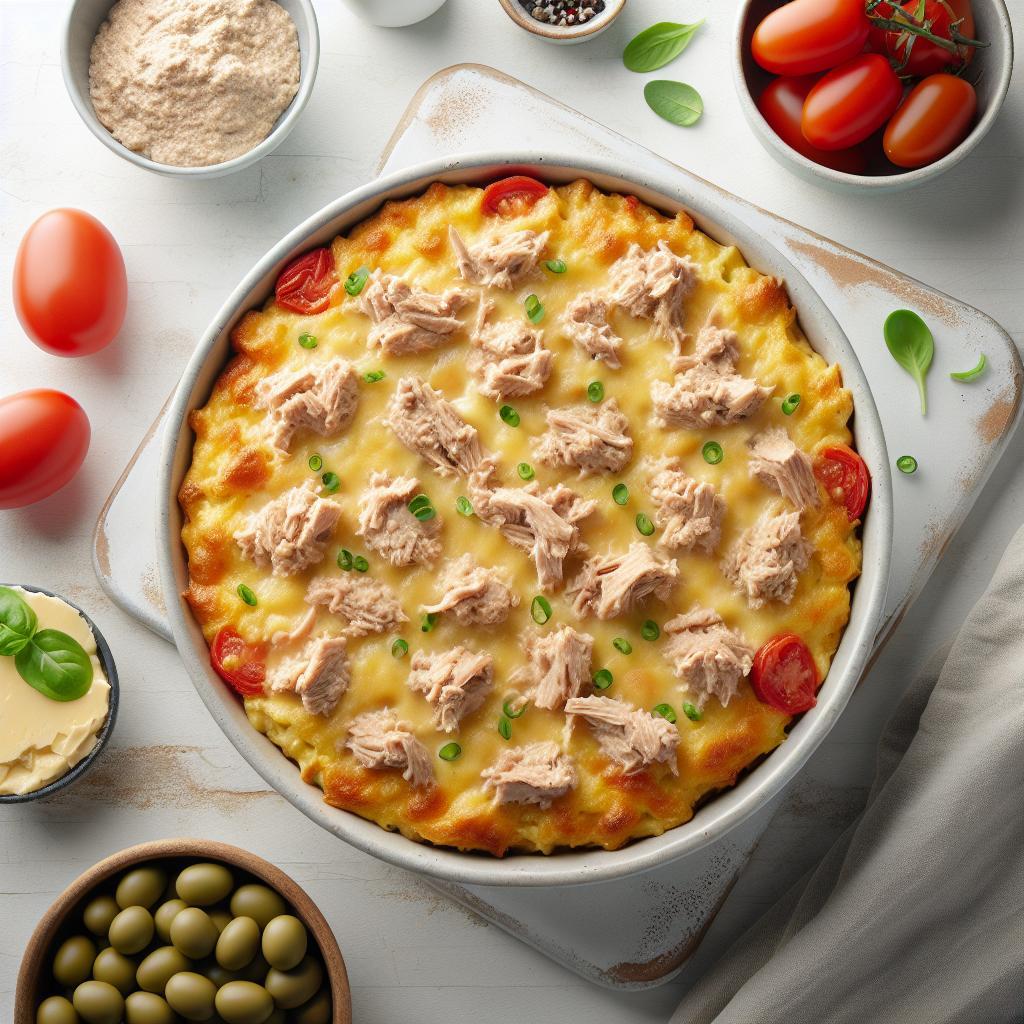

Simple Tuna Casserole: A Quick, Tasty Family Favorite
There is something undeniably comforting about a warm, cheesy casserole bubbling from the oven. This simple tuna casserole delivers that comfort while using pantry staples and minimal hands-on time.
- Ready in about 45 minutes: fast for weeknight dinners.
- Pantry-first recipe: uses canned tuna, pasta and a creamy binder.
- Highly adaptable: easy gluten-free and veggie swaps.
- Kid-approved: mild flavors and a crunchy topping that appeals to picky eaters.
This recipe honors the classic casserole format while offering practical updates for texture and nutrition. I use tested kitchen technique and food chemistry to keep the filling creamy and the topping crisp.
Prep and Cook Time
Plan for roughly 45 minutes from start to finish. That includes boiling the pasta, sautéing aromatics, mixing the sauce, assembling, and baking until bubbly and golden.
Timing varies with oven performance and whether you bake straight from the fridge. Add 5–10 minutes if assembled cold or if you use denser vegetables that hold a lot of moisture.
- Preparation: 15 minutes
- Cooking: 30 minutes
- Total Time: 45 minutes
Yield
This version makes a family-sized 9×13-inch casserole that serves about six hearty portions. Serve it alongside a crisp salad or warm bread for a complete meal.
Portion sizes scale easily: halve the recipe for a smaller dish or freeze extra portions for meal prep. Omit the crunchy topping before freezing and add it prior to baking for best texture.
- Serves: 6 hearty portions
Difficulty Level
This is an easy recipe designed for cooks at any skill level. The core steps are straightforward: cook pasta, sauté aromatics, combine ingredients, and bake.
Small technique choices—like draining pasta well and tasting the sauce—raise the result from adequate to reliably excellent. Those same skills apply to many baked pasta and casserole dishes.
Ingredients
The ingredient list follows a classic blueprint: carbohydrate, protein, binder, vegetables, cheese, and a crunchy finish. You can substitute within each category without upsetting the dish structure.
For background on the dish type, see the casserole entry for common formats and variations.
- 2 cups uncooked elbow macaroni or small pasta shells
- 2 cans (5 oz each) tuna packed in water, drained and flaked
- 1 can (10.5 oz) condensed cream of mushroom soup or a homemade alternative
- 1 cup frozen peas, thawed
- 1/2 cup finely chopped onion
- 1 cup shredded sharp cheddar cheese
- 3/4 cup milk (whole or 2%)
- 1/2 cup sour cream or plain Greek yogurt
- 1 cup crushed buttery crackers or panko breadcrumbs for topping
- 2 tbsp unsalted butter, melted
- Salt and freshly ground black pepper to taste
- 1 tbsp olive oil or vegetable oil for sautéing
For a primer on how different pasta shapes hold sauce, see the pasta overview. Shape choice changes mouthfeel and sauce adhesion.
Instructions
Read the full list once before starting so you can stage ingredients. Work methodically: cook, sauté, mix, assemble, bake.
- Cook the pasta: Bring a large pot of salted water to a boil. Add pasta and cook until al dente, about 7–8 minutes; drain well and set aside.
- Sauté onions: Heat oil over medium heat. Add chopped onion and sauté until translucent, about 4–5 minutes; this builds a sweet base flavor that complements the creamy sauce.
- Make the creamy mixture: In a large bowl, combine condensed soup, milk, sour cream, and half of the cheddar cheese. Stir until smooth and season with salt and pepper.
- Combine ingredients: Stir sautéed onions, tuna, peas, and cooked pasta into the creamy mixture. Mix gently to coat everything evenly without breaking up the tuna too much.
- Prepare the topping: In a small bowl, combine crushed crackers or panko with melted butter until evenly coated.
- Assemble: Pour the tuna-pasta mixture into a greased 9×13-inch baking dish. Sprinkle remaining cheddar across the top, then distribute the buttery crumb topping.
- Bake: Preheat oven to 350°F (175°C). Bake uncovered for 25–30 minutes, or until casserole is bubbly and the topping is golden brown.
- Rest: Let the casserole cool for 5 minutes before serving to let the layers set for cleaner portions.
Baking notes
Cover the dish with foil for the first 15–20 minutes to trap steam and keep the interior moist. Remove the foil for the final 10 minutes to brown the top evenly.
If you bake from cold, add 5–10 minutes and confirm the center is hot. Use a shallow dish for faster, more even baking and predictable browning.
Tips for Success with Your Simple Tuna Casserole
Small technique choices elevate this classic. Drain pasta very well, taste and adjust seasoning before baking, and avoid overmixing the tuna to retain a chunky texture.
Use freshly shredded cheese rather than pre-shredded for smoother melting; fresh cheese lacks anti-caking agents that hinder melt and browning. Freshly shredded cheese yields a silkier sauce.
For a lighter version, substitute Greek yogurt for sour cream and choose whole-grain or legume-based pasta to boost protein and fiber. These swaps preserve creaminess while improving nutritional density.
Vegetable and cheese variations
Swap peas for broccoli florets, mushrooms, or diced bell peppers to add color and nutrients. Each vegetable changes moisture content, so adjust sauce thickness if needed.
Try Monterey Jack or mozzarella for milder melts, or blend sharp and mild cheddar for balance. A teaspoon of Dijon mustard or a touch of lemon zest brightens the overall flavor without extra cooking time.
Serving Suggestions
Serve steaming hot with a sprinkle of chopped parsley or chives for color and a mild onion lift. A crisp green salad with a tangy vinaigrette balances the casserole’s richness.
Offer crusty garlic bread or warm rolls to soak up the sauce and make the meal feel more substantial. For lighter sides, roast seasonal vegetables and serve alongside for contrast.
Nutritional Info (per serving)
Estimated nutrition for a standard portion reflects common ingredient choices. Values change with swaps like yogurt, whole-grain pasta, or different cheeses.
| Meal | Calories | Protein | Carbs | Fat |
|---|---|---|---|---|
| Simple Tuna Casserole (per serving) | 380 | 25g | 40g | 12g |
If you prefer a cleaner sauce base, use a classic béchamel instead of condensed soup. A proper white sauce gives more control over seasoning and texture.
Make-Ahead and Storage
Assemble the casserole up to 24 hours ahead without the crumb topping. Keep the assembled dish tightly covered in the refrigerator and add the topping just before baking.
Leftovers keep for up to three days refrigerated. For longer storage, freeze portions for up to two months; bake from frozen and add time until hot through.
Common Troubleshooting
If the casserole turns out dry, it likely needed more liquid or pasta drained too aggressively. Loosen the mix with a little milk or broth and finish baking covered for a short time.
If the topping softens, crisp it briefly under a hot broiler for 1–2 minutes while watching closely. Fresh butter browns better than margarine and improves color.
To maintain topping crispness when reheating, reheat briefly in an oven or toaster oven rather than a microwave. Add a splash of milk if the filling tightens during storage.
At a Glance
- Quick: 45 minutes total.
- Pantry staples: tuna, pasta, canned soup or béchamel.
- Adaptable: gluten-free and light swaps work well.
Want more ideas and variations? See our tag collection for similar recipes and weeknight inspiration. Explore related posts to keep this dish in rotation.
Tuna casserole recipes and weeknight dinners on CookHarvest offer serving ideas and seasonal twists.
FAQ
Is tuna casserole kid-friendly?
Yes. The mild flavors and creamy texture make it popular with children. To boost nutrition without changing flavor much, add finely chopped vegetables or use whole-grain pasta.
How can I make this recipe gluten-free?
Swap regular pasta for certified gluten-free pasta and use gluten-free breadcrumbs or crushed gluten-free crackers for the topping. The recipe otherwise stays the same.
Can I use fresh tuna instead of canned?
You can substitute cooked fresh tuna or leftover fish. Flake it into large chunks and fold in gently to preserve texture; expect a different flavor and cost compared with canned tuna.
How do I keep the casserole creamy after reheating?
Reheat gently in an oven at 325°F (160°C) and add a splash of milk if the filling tightens. Microwaving works but needs liquid and a brief cover to avoid dryness.
What are good add-ins to boost flavor?
Brighten the dish with lemon zest, a teaspoon of Dijon mustard, or a tablespoon of chopped capers. Add fresh herbs after baking for lift without extra cooking time.

Recommended Reading:
- 30-Minute Beef Tacos: Perfect Quick Weeknight Recipe
- Hearty 5-Ingredient Beef Chili: Simple, Fast Weeknight Recipe
- 7 Easy Sheet Pan Beef Fajitas: Fast Flavor, One Pan