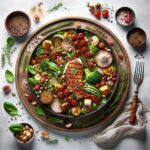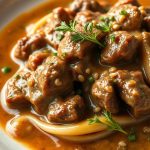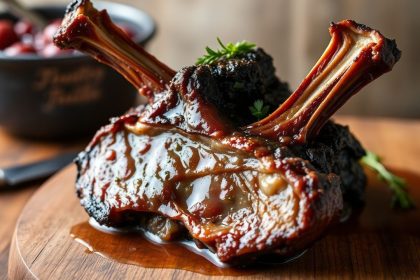

Sizzling Beef Skillet: The Ultimate Recipe for Tenderness and Flavor
When weeknight dinner demands speed and flavor, the Sizzling Beef Skillet delivers both with authority and simplicity. This one-pan recipe balances a robust sear with a gentle simmer to yield tender beef and vibrant vegetables in under an hour.
- Quick prep: Ready in about 55 minutes.
- One-pan cleanup: Sear, simmer, and serve from a single skillet.
- Flexible protein: Works with several beef cuts for different textures.
- Make-ahead friendly: Flavors deepen when refrigerated overnight.
The Sizzling Beef Skillet bridges rustic technique and modern convenience. It relies on controlled heat, layered aromatics, and a targeted simmer to convert connective tissue into succulence.
The recipe below follows clear, repeatable steps. It also explains why each step matters so cooks can adapt with confidence.
Overview and Why It Works
This skillet technique pairs a high-heat sear with low-and-slow finishing to get both a browned crust and fork-tender meat. The initial high heat triggers the Maillard reaction, which creates savory depth and complex aroma.
After searing, a short braise in flavored broth breaks down collagen in well-marbled cuts. That two-stage approach yields texture contrast—crusty exterior and tender interior—while concentrating the sauce.
Prep and Cook Time
Plan on about 20 minutes of active prep and roughly 35 minutes of combined searing and simmer time. Total time lands near 55 minutes for most home cooks.
Timing will vary slightly by stovetop and skillet size; allow extra time if you sear in batches to avoid crowding. Using a heavy-bottomed frying pan or cast-iron skillet stabilizes temperature.
- Prep Time: 20 minutes
- Cook Time: 35 minutes
- Total Time: 55 minutes
Yield
This recipe scales predictably and serves four hearty portions with the listed quantities. It also adapts well for meal prep portions if you double the ingredients and use a larger pan.
Leftovers refrigerate for 3–4 days and freeze well for up to 3 months when stored airtight. Reheat gently on low heat to preserve texture.
Serves: 4 hearty portions
Difficulty Level
Label this dish as medium difficulty—mostly because of timing and temperature control during searing. The techniques are straightforward, but attentive heat management makes the difference between a good and a great result.
Beginners can succeed by following step order and searing in batches. More experienced cooks can swap cuts or tweak spice ratios confidently.
Ingredients
Ingredients focus on balance: a well-marbled beef cut, a supporting aromatics base, and a short braising liquid. The list below is measured for clarity and consistent outcomes.
Several items can be substituted; notes follow in the sub-section for smart swaps and why they work. Use quality beef broth for depth and a neutral oil with a high smoke point for the sear.
- 1.5 lbs beef chuck roast, trimmed and cut into 1-inch cubes
- 2 tbsp olive oil, divided
- 1 large yellow onion, finely chopped
- 4 cloves garlic, minced
- 1 tsp smoked paprika
- 1 tsp ground cumin
- 1/2 tsp dried oregano
- 1/2 tsp freshly cracked black pepper
- 1 tsp kosher salt
- 1 cup beef broth, low sodium
- 1 tbsp tomato paste
- 1 large red bell pepper, sliced into strips
- 1 cup cremini mushrooms, quartered
- 2 sprigs fresh thyme
- Fresh parsley, chopped (for garnish)
Key Ingredients Explained
Beef chuck offers connective tissue and fat that convert to gelatin during braising, creating mouthfeel and richness. If you prefer quicker-cooking cuts, adjust searing time and shorten simmer accordingly.
Smoked paprika contributes smoky sweetness and color; it works with the spice blend to lift the pan sauce elegantly. Read more about paprika for varietal differences.
Substitutions and Notes
Use sirloin or flank for a faster cook, and reduce simmering time to avoid drying. For a richer base, replace a portion of beef broth with low-sodium beef stock or a splash of red wine.
To make this gluten-free, ensure broth and any soy alternatives are certified gluten-free. Swap tomato paste with roasted red pepper purée for a milder acidity if preferred.
Instructions
Follow the sequence below: prep, sear, build aromatics, return beef, then simmer. Each stage controls texture and concentrates flavor for a balanced final dish.
Work deliberately during searing—hot skillet, dry beef, and no overcrowding. Sear in batches if needed to maintain temperature and color.
- Preheat your skillet over medium-high heat and add 1 tablespoon olive oil. Pat the beef cubes dry with paper towels to ensure a perfect sear.
- Sear the beef in batches without overcrowding, cooking each cube 2–3 minutes per side until deeply browned. Transfer seared beef to a plate and set aside.
- Reduce the heat to medium; add the remaining olive oil. Sauté the onion until translucent, about 5 minutes, stirring occasionally to avoid burning.
- Add the garlic and cook for 1 minute until fragrant. Stir in smoked paprika, cumin, oregano, salt, and pepper, toasting the spices briefly to unlock their aroma.
- Return the beef to the skillet and mix in the tomato paste, ensuring each piece is well coated.
- Pour the beef broth over the mixture and add thyme sprigs. Bring to a gentle simmer, then reduce heat to low and cover. Let it simmer for 30 minutes, stirring occasionally.
- After 20 minutes of simmering, add the red bell pepper and mushrooms. Continue cooking until the beef is tender and the vegetables are softened.
- Remove thyme sprigs. Adjust seasoning with salt and pepper to taste. For a thicker sauce, increase heat to medium and cook uncovered for an additional 5 minutes.
Once the dish finishes, rest briefly so juices redistribute and the sauce slightly reduces. Garnish with chopped parsley and serve immediately for the best contrast of textures.
Tips for Success
Small technique adjustments make a large difference. Dry beef well, work in batches, and toast spices only until they become aromatic—not darkened.
Use a heavy pan that retains heat to maintain a steady sear. If you notice excess liquid pooling during sear steps, increase heat slightly and blot between batches for consistent crust formation.
- Choose well-marbled cuts like chuck for braise-style tenderness.
- Dry beef before searing to achieve a superior crust; moisture causes steaming rather than browning.
- Toast spices briefly in the hot pan to unlock depth but avoid burning, which leads to bitterness.
- Simmer gently to break down muscle fibers and preserve sauce concentration.
Make-ahead instructions: cool and refrigerate overnight to let flavors meld, then reheat gently over low heat. Add a splash of broth while reheating to revive the sauce texture.
Creative Serving Suggestions
Serve the skillet over creamy mashed potatoes, polenta, or steamed short-grain rice to soak up the sauce. These bases complement the dish’s savory profile and make the meal more substantial.
Finish with contrasting textures like a crisp green salad or roasted seasonal vegetables. A dollop of plain yogurt or a drizzle of chili oil adds brightness and lifts the spice blend.
Nutritional Information
For the recipe as written, calories and macronutrients reflect the beef and added oil content. Use leaner cuts or reduce oil to lower fat and calorie counts modestly.
These values are estimates and vary by ingredient brands and portion sizes. For precise meal planning, weigh portions and consult nutritional software.
| Nutrient | Amount per Serving |
|---|---|
| Calories | 420 kcal |
| Protein | 38 g |
| Carbohydrates | 10 g |
| Fat | 25 g |
Q&A
This Q&A covers common execution questions and preserves practical techniques for consistent results. Each answer focuses on actionable steps and rationale so you can tweak the recipe confidently.
Refer to the answers below when you want quick guidance while cooking or planning substitutions.
Q: What makes the Sizzling Beef Skillet a “one-pan wonder”?
A: The method combines searing, sautéing, and simmering in one vessel to build flavor and finish the protein. That minimizes cleanup while producing a multi-textured meal in a single pan.
Q: What cuts of beef work best for this recipe?
A: Cuts with good marbling like chuck convert tough fibers into gelatin when braised, giving silky mouthfeel. For quicker cooks, sirloin and flank work but require shorter simmer time to avoid toughness.
Q: How do I achieve perfect caramelization and sear?
A: Start with a very hot pan and add oil just before beef. Dry the beef thoroughly and sear in small batches so the pan temperature stays high; that maximizes the Maillard reaction for deep flavor.
Q: Can I customize the vegetable mix?
A: Yes. Use vegetables that cook on a similar schedule—peppers, mushrooms, and onions pair well. Add delicate greens at the end to prevent overcooking and retain texture.
Q: Is this dish suitable for meal prepping?
A: Absolutely. This skillet reheats well, and the sauce often tastes more integrated after a day in the refrigerator. Reheat on low and add a splash of broth to refresh consistency.
Key Takeaways
The Sizzling Beef Skillet uses targeted heat and a short braise to transform accessible ingredients into a rich, satisfying meal. Proper searing and gentle simmering yield contrast in texture and depth of flavor.
Follow batch searing, toast spices briefly, and finish with fresh herbs to keep the dish bright. This approach adapts to different beef cuts and serving bases for flexible weeknight cooking.

For reference on ingredient categories and broader context, explore these authoritative sources: the biology and culinary use of beef, the mechanics behind the Maillard reaction, equipment considerations for a frying pan, and the spice profile of paprika. These resources clarify why technique and ingredient choices matter.
FAQ
The short FAQ below covers implementation details for cooks who want quick, schema-friendly answers. Use these prompts for voice search or quick reference while cooking.
How long should I sear beef cubes?
Sear each side 2–3 minutes until deeply browned. Work in batches and avoid crowding to maintain high pan temperature.
Can I use ground beef instead of cubes?
Ground beef changes texture and cooking time; it cooks faster and won’t benefit from braising. For a one-pan meal with ground beef, brown it first and then build the sauce and vegetables.
How do I thicken the pan sauce?
Reduce uncovered over medium heat for 3–5 minutes to concentrate. Alternatively, mix 1 teaspoon cornstarch with 1 tablespoon cold water and stir in while simmering to thicken quickly.
What if my sauce tastes flat after simmering?
Adjust acidity and seasoning: a squeeze of lemon or a splash of vinegar lifts flavors, and a final pinch of salt sharpens the profile. Fresh herbs at the end add brightness.
Can I make this in an oven-safe skillet?
Yes. After searing and building the sauce, transfer to a 325°F oven to finish for about 20–30 minutes until tender. Use ovenproof cookware and monitor liquid level to avoid drying.
See also: Beef Skillet