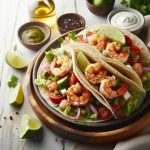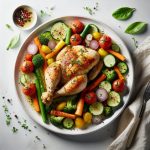
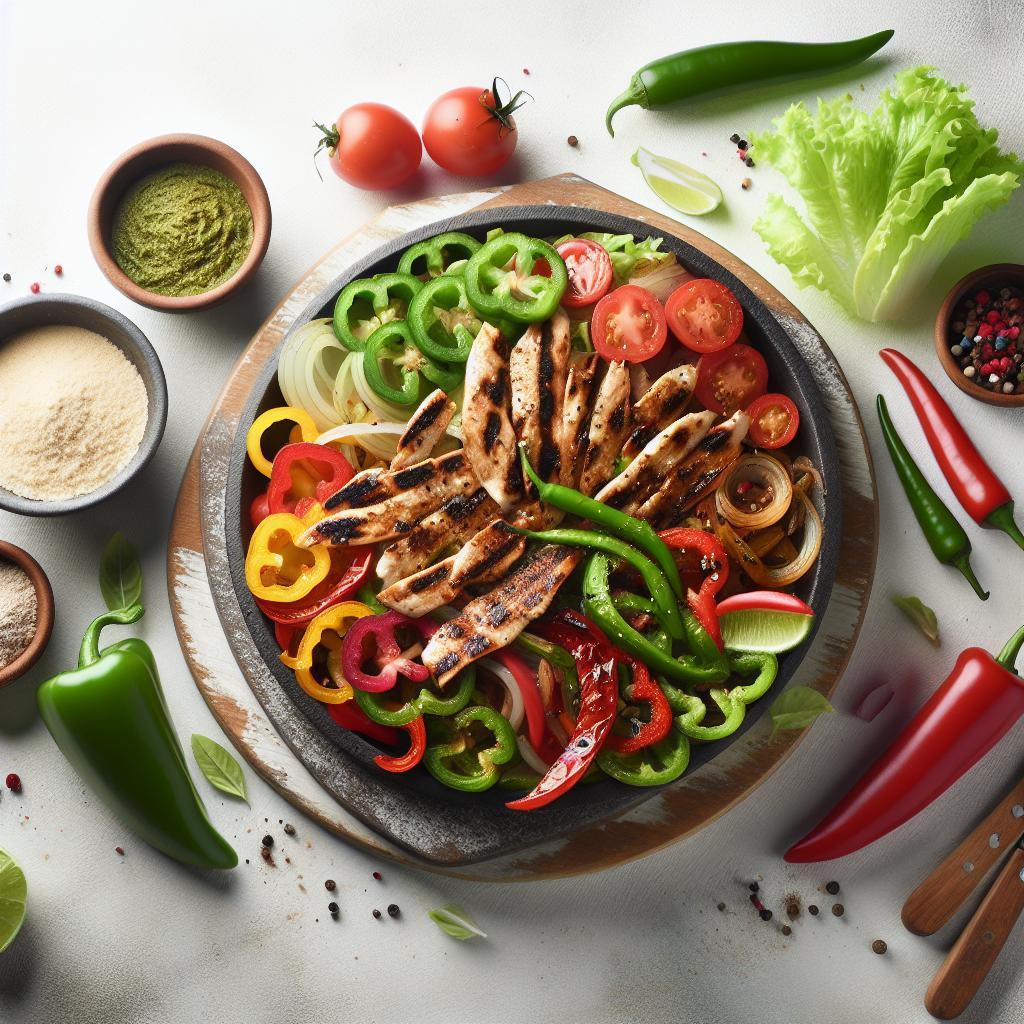

Sizzling Mexican fajitas deliver a theatrical plate: marinated strips of meat, bright peppers, and a smoky sear that invites immediate digging in. The sound, aroma, and contrast of textures create a shared eating moment that transforms weeknight dinner into a celebration.
- The Art of Marinating Meat for Maximum Flavor
- Choosing the Perfect Vegetables to Complement Your Fajitas
- Mastering the Sizzle: Cooking Techniques for Authentic Texture
- Toppings and Sides to Elevate Your Fajita Fiesta
- Prep, Timing, and Practical Workflow
- Tips for Success
- Nutrition and Serving Notes
- FAQ
- Wrapping Up
- Marinade matters: acidity and oil balance determine flavor and tenderness.
- High heat sear: quick, hot cooking locks juices and builds a caramelized crust.
- Veg timing: slice uniformly and cook peppers and onions briefly for crisp-tender texture.
- Finish fresh: toppings like guacamole and lime brighten every bite.
The Art of Marinating Meat for Maximum Flavor
Marinades serve two functions: they season and they tenderize. A balanced mix of acid, oil, salt, and aromatics will both penetrate fibers and build flavor layers.
For citrus-driven marinades, use fresh lime or orange juice and avoid excessive acid concentration that can overcook surfaces. Using citrus links the dish to broader citrus uses in cuisine: citrus offers bright, volatile compounds that lift spices and herbs.
Combine minced garlic, ground cumin, smoked paprika, chili powder, salt, freshly ground black pepper, and olive oil for a classic profile that complements beef and chicken equally. Add chopped cilantro at the end of the marinade process to preserve its fresh herbal notes rather than letting it break down completely.
Cutting meat against the grain into thin strips increases perceived tenderness and allows the marinade to coat more surface area. Choose skirt or flank steak for beef; they respond well to short, high-heat cooking when sliced thin and marinated properly.
Choosing the Perfect Vegetables to Complement Your Fajitas
Color and texture matter as much as seasoning. Standard fajita vegetables include red, yellow, and green bell peppers plus thinly sliced red onion for a layered crunch and sweet bite.
Bell peppers provide natural sweetness and moisture; they also add visual contrast that signals freshness on the plate. Learn more about the vegetable family here: bell pepper.
Add depth with mushrooms or zucchini if you prefer more umami or earthiness; slice all vegetables uniformly so they cook at the same rate. Maintain medium-high heat and stir often so edges char lightly while centers stay crisp-tender.
For vegetarian fajitas, use hearty portobello or thick-cut tofu to mimic the texture and bite of meat. Marinate and cook these alternatives the same way you would meat, adjusting cook time to avoid over-softening.
Mastering the Sizzle: Cooking Techniques for Authentic Texture
A screaming-hot pan produces a rapid Maillard reaction, the chemical process that creates golden-brown crust and complex, roasted flavors. Cast iron and heavy-bottom pans hold heat and produce the most reliable sear.
Use a well-seasoned cast-iron skillet or other heavy cookware to sustain high surface temperature; see background on durable cookware types: cast-iron cookware. Preheat until the pan just begins to smoke, then add a high-smoke-point oil.
Cook meat in single layers and in batches to prevent overcrowding, which cools the pan and generates steam rather than a crust. Remove meat to rest briefly while you quickly sauté the vegetables, then combine just before serving to preserve textural contrast.
Toppings and Sides to Elevate Your Fajita Fiesta
Toppings transform simple strips into personalized bites. Classic choices include creamy guacamole, tangy sour cream, chopped cilantro, crumbled cheese, and wedges of lime for acidity that cuts through fat.
Guacamole adds cooling richness and an avocado-based texture that pairs perfectly with smoky meat and charred peppers; background on the preparation is available at: guacamole. Keep garnishes separate so guests customize heat and brightness.
Serve warm flour or corn tortillas and offer sides that complement rather than overshadow fajita flavors, such as Mexican rice or a simple black bean salad. A crisp cabbage slaw dressed with lime and a touch of chili provides crunch and an acidic counterpoint.
Finish each plate with fresh cilantro and a generous squeeze of lime. These small actions lift the whole dish and ensure each bite remains lively and well-balanced.
Prep, Timing, and Practical Workflow
Efficient mise en place accelerates service and preserves quality. Slice meat and vegetables before you start heating the pan so cooking proceeds in one rapid, controlled window.
Marinating time: 2–4 hours (overnight for deeper flavor). Active prep: roughly 20 minutes. Cook time: 15–20 minutes, depending on batch sizes and protein choice. Rest meat briefly after searing to keep juices distributed evenly.
Ingredients
Keep a concise ingredient list on hand: 1.5 lb flank or skirt steak (thinly sliced), fresh lime juice, garlic, olive oil, ground cumin, smoked paprika, chili powder, salt and pepper, chopped cilantro, three bell peppers, one large red onion, and tortillas.
Use whole, fresh ingredients rather than pre-mixed packets to control sodium and spice balance. Swap proteins easily: chicken thighs, skirt steak, or hearty vegetables all perform well under the same technique.
Instructions
1. Whisk lime juice, garlic, oil, spices, salt, pepper, and cilantro for the marinade. 2. Toss meat in marinade and refrigerate for the chosen time. 3. Heat a heavy skillet until nearly smoking, add oil, and sear meat in batches until deeply browned. 4. Rest meat; then sauté vegetables quickly on high heat. 5. Recombine meat and vegetables to warm through, then serve.
Follow this order to maintain maximum color, texture, and flavor. Adjust searing time for chicken or thinner cuts to avoid overcooking.
Tips for Success
Slicing against the grain and controlling marinating times gives consistently tender results. High, dry heat creates rapid browning without overcooking the interior.
When short on time, marinate for at least one hour; expect less depth but still good seasoning. Make-ahead strategy: marinate overnight, cook components separately, and reheat gently to preserve texture during service.
Nutrition and Serving Notes
Fajitas provide a balanced plate of protein, fiber from peppers and onions, and healthy fats when you include avocado-based toppings. Portion tortillas intentionally to moderate carbohydrate intake without compromising the shared-plate experience.
Estimate per-serving macros around 420 kcal with approximately 38 g protein, 18 g carbohydrates, and 22 g fat when served with two tortillas and typical toppings. Adjust portions and sides to meet dietary needs.
FAQ
What cut of beef works best for fajitas?
Skirt and flank steak rank highest for classic fajitas because they accept marinade and sear quickly. Slice thin and against the grain to maximize tenderness.
Can I make fajitas ahead for a party?
Yes. Marinate meat the night before and cook components shortly before guests arrive. Hold meat and vegetables separately and reheat briefly to preserve texture.
How do I keep tortillas warm and pliable?
Wrap tortillas in a clean towel and place in a low oven (about 200°F / 93°C) or a covered warming dish until service. This retains steam and prevents cracking.
Are fajitas healthy?
When built with lean protein, fresh vegetables, and controlled toppings, fajitas can be nutrient-dense and balanced. Watch portions of cheese and sour cream to manage calories.
How do I reduce spice without losing flavor?
Use smoked paprika and cumin to maintain smoky depth, then serve salsas and chiles on the side so diners adjust heat per plate. Fresh lime and herbs boost perceived flavor even when heat reduces.
Wrapping Up
Fajitas thrive on contrast: bright acid vs. rich fat, charred crust vs. tender interior, warm tortillas vs. cool toppings. Focus on marinade balance, uniform slicing, and high-heat technique to reproduce restaurant-quality results at home.
Run a tight workflow, keep garnishes fresh, and let guests customize. These steps preserve the sizzle and make fajitas a reliable, crowd-pleasing centerpiece for any gathering.

See also: fajitas