

Spice Up Breakfast with Creamy Cheesy Jalapeno Grits
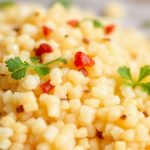
Jalapeno grits turn a plain breakfast into something layered and lively by marrying stone-ground texture with melted cheese and controlled pepper heat. This version keeps the grains creamy, the cheese emulsified, and the jalapeño bright without overwhelming the bowl.
- Spice Up Breakfast with Creamy Cheesy Jalapeno Grits
- Why This Version Works
- Cheese Selection and Emulsification for Jalapeno Grits
- Jalapeno Technique: Controlled Heat and Aroma
- Serving & Topping Strategies for Jalapeno Grits
- Recipe
- Chef’s Notes
- Flavor Variations and Pairings
- Nutrition Snapshot
- References & Further Reading
- Internal Recipes
- FAQ
- Bright, balanced flavor—cheese tames fat, jalapeño supplies lift.
- Reliable technique—slow hydration and staged cheese deliver a glossy finish.
- Versatile service—works with eggs, roasted veg, or simple garnishes.
- Make-ahead friendly—finish with warm liquid and melt in cheeses just before serving.
Why This Version Works
The method emphasizes hydration, fat management, and targeted heat to create stable, clingy grits. Start with the right grain-to-liquid ratio and maintain a gentle simmer while you develop aromatics and emulsify cheese off heat.
Layering fats—from butter to cream cheese—produces an emulsion that coats each kernel. Those steps preserve texture from first spoonful to last and avoid common failures like graininess or oil separation.
Cheese Selection and Emulsification for Jalapeno Grits
Choose cheeses that contribute both flavor and emulsifying fat. Sharp cheddar supplies tang and savory depth, cream cheese gives body, and a melting cheese like Monterey Jack helps create silkiness without breaking into oil.
Combine cheeses in stages: dissolve soft cheese into warm grits first, then fold in shredded cheeses off the heat. That order prevents protein tightening and allows fat to disperse into the starch matrix for a glossy finish.
[TIP]Expert Insight: For restaurant-style sheen, finish the grits with a small knob of cold butter off the heat and whisk briskly. This technique emulsifies fat into the starch and produces a clingy, glossy surface.[/TIP]
Jalapeno Technique: Controlled Heat and Aroma
Fresh jalapeños contribute capsaicin-driven warmth and a vegetal aroma that lifts the bowl. Remove the membranes and seeds for mild heat, or retain some seeds for more bite; the difference is perceptible and fast to adjust.
For a smoky layer without sacrificing creaminess, char the peppers briefly under a broiler or on a hot pan before dicing. Roasting softens volatile compounds and emphasizes sweet notes that contrast well with dairy.
For scientific context on capsaicin and heat perception, see Capsaicin on Wikipedia.
When you sauté jalapeños with onions and garlic, do so briefly to release essential oils but preserve bright pepper flavor. Overcooking flattens the pepper and bleaches the aroma, so time this step for five minutes on medium heat.
[WARNING]Pro-Caution: When handling jalapeños, wear nitrile gloves or wash hands thoroughly before touching your face. Capsaicin can irritate eyes and sensitive skin; avoid contact after chopping.[/WARNING]
Serving & Topping Strategies for Jalapeno Grits
Think of the grits as a plated base designed to support other elements, not compete with them. A runny fried egg provides richness and a natural sauce when the yolk breaks over warm grits.
Use bright garnishes—cilantro, scallions, or a squeeze of lime—to cut through fat. Textural contrasts like crispy shallots, roasted cherry tomatoes, or toasted corn add interest and make each spoonful dynamic.
Recipe
Prep and Cook Time
Prep Time: 10 minutes. Mise en place keeps the grits from sticking and helps you time the aromatics correctly.
Cook Time: 25 minutes for stone-ground grits. Slow simmering achieves full hydration and tender mouthfeel.
Yield & Difficulty
Total Time: 35 minutes. Yields four generous portions suitable for brunch or a hearty breakfast service.
Difficulty: Easy. Success depends on attention to simmering and staged cheese addition rather than advanced technique.
Ingredients
1 cup stone-ground grits; 4 cups low-sodium broth; 2 tbsp unsalted butter; 1 cup sharp white cheddar, shredded; 1/2 cup cream cheese, softened; 1/2 cup Monterey Jack, shredded; 2 jalapeños, diced and adjusted to taste; 1 medium yellow onion, chopped; 2 cloves garlic, minced; salt and freshly ground black pepper; optional garnishes: cilantro, scallions, lime wedges, avocado slices.
Use a neutral broth to extend mouthfeel without competing flavors. For a vegetarian option, substitute low-sodium vegetable broth and consider miso or sautéed mushrooms for extra umami.
Instructions
1. Prepare the base: Bring broth to a gentle boil, then whisk in the grits slowly to avoid lumps. Reduce to a low simmer and stir frequently while the grains hydrate.
2. Simmer: Cook uncovered for 22–25 minutes until thick and tender, stirring to prevent sticking. The grains should swell and become creamy, not gluey.
3. Sauté aromatics: Meanwhile, melt butter in a skillet and sauté onion, garlic, and jalapeños until translucent and fragrant, about five minutes. Season lightly to build foundational seasoning.
4. Incorporate cheese: Off the heat, fold the sautéed mixture into the warm grits. Add cream cheese first to disperse smoothly, then stir in shredded cheddars until melted and uniform.
5. Adjust consistency: If the mixture tightens while cooling, stir in a splash of warm broth or milk to loosen. Re-taste and correct salt and pepper to preference.
6. Serve: Spoon into warmed bowls and top with preferred garnishes. Pair with eggs, roasted vegetables, or a crisp green salad to complete the plate.
Chef’s Notes
For a dairy-free route, replace butter with plant-based spread and use a blend of melting-style vegan cheeses. Expect variance in melt behavior; blending types yields a closer approximation to dairy emulsification.
To make ahead, cook the grits without cheese or peppers. Reheat gently with warm broth and fold in cheeses and jalapeños just before serving to preserve fresh pepper flavor and cheese texture.
Flavor Variations and Pairings
Additions like roasted corn or sweet potato cubes introduce sweetness that counters jalapeño heat. Smoked paprika or a pinch of ground cumin adds depth that complements pepper warmth.
For a Southern-leaning plate, serve alongside sautéed collard greens or a crisp slice of toasted sourdough. These components provide balance and round out the meal.
Nutrition Snapshot
This preparation raises protein and calcium through cheese, while jalapeños contribute vitamin C and phytochemicals. Mind portion sizes and side selection to manage caloric density.
Per-serving estimates depend on specific cheeses and broth used; using low-sodium broth and lean accompaniments reduces sodium and fat without harming texture.
References & Further Reading
For background on the grain and regional context, see the grits article on Wikipedia: grits. That page explains milling styles and hydration differences.
To explore the cultural roots and regional pairings, consult Southern United States cuisine. For dairy science and melt behavior, reference the general cheese overview.
Internal Recipes
Expand brunch offerings by pairing these grits with other Southern plates. Try the internal recipe: Southern Style Migas, which complements the texture and heat profile here.
Also consider composing a plate with sautéed greens, roasted tomatoes, and a runny egg for contrast and better nutritional balance.
FAQ
How do I make jalapeno grits milder?
Deseed the jalapeños and remove the white membranes before chopping. Sautéing the peppers also mellows volatile compounds and reduces perceived sharpness.
Alternatively, use one jalapeño and supplement heat with a pinch of cayenne at the table for precise control.
Can I use instant grits instead of stone-ground?
Yes. Instant grits absorb less liquid and cook faster, producing a smoother, less toothsome result. Reduce cook time and adjust liquid as recommended by the package.
For a closer texture, blend instant with a portion of coarser grits or add a short resting time off-heat to let grains hydrate fully.
What cheeses melt best for a silky texture?
Use a blend: cream cheese for body, sharp cheddar for flavor, and Monterey Jack for meltability. Combine off-heat to avoid separation and achieve a homogeneous emulsion.
For dairy-free options, choose melting-style vegan cheeses and incorporate a small emulsifying fat like plant-based butter to mimic mouthfeel.
How do I reheat leftovers without losing creaminess?
Reheat gently over low heat while stirring in warm broth or milk a little at a time until you reach the desired consistency. Avoid high heat, which tightens starches and causes graininess.
If the dish tightens after cooling, a whisk with a small cold butter knob off-heat can re-emulsify fats and restore gloss.
Are jalapeno grits suitable for vegetarians?
Yes. Use vegetable broth instead of chicken broth and maintain savory depth with mushrooms, miso, or a splash of soy sauce if desired.
Check cheese labels for animal rennet if strict vegetarian standards apply; many cheeses are available with microbial or vegetable rennet.
Bright, creamy jalapeno grits reward small refinements: hydrate the grain thoroughly, stage cheeses, and control pepper heat. Those steps deliver a bowl that is both comforting and lively.

See also: jalapeno grits