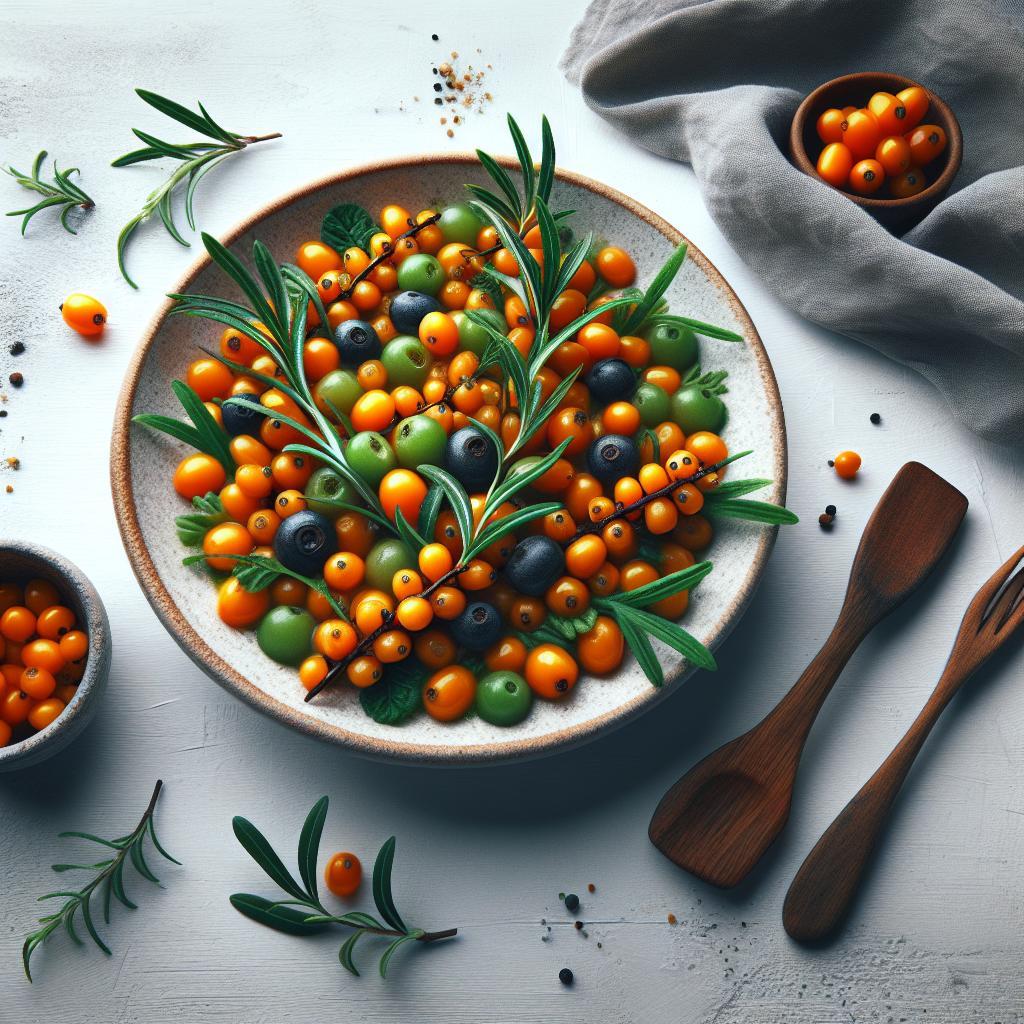

Along rugged coastlines where land meets the sea, a hidden treasure thrives in vibrant clusters of fiery orange. Sea buckthorn berries, often dubbed “shoreline gold,” are nature’s little gems-packed with nutrients and bursting with tangy flavor. Foraging these coastal delights is not only a rewarding adventure but also a way to connect deeply with the wild beauty of the shore. In this article, we’ll explore how to spot this luminous berry bounty, understand its remarkable benefits, and glean tips for sustainable harvesting. Grab your basket and let’s set off on a seaside treasure hunt to uncover the secrets of foraging sea buckthorn berries.
Spotting Gold by the Shore: Foraging Sea Buckthorn Berries introduces you to nature’s fiery gems thriving along windswept coastlines. These vibrant orange berries, packed with vitamin C and antioxidants, grow on hardy sea buckthorn shrubs that cling resiliently to sandy shores and rocky dunes. Foraging these golden clusters is more than a culinary adventure-it’s an immersive journey into a unique coastal ecosystem where every berry harvested brings a tangy burst of health and history to your kitchen.
Prep and Cook Time
- Preparation: 15 minutes
- Cooking: 25 minutes
- Total Time: 40 minutes
Yield
Yields approximately 20 servings of Sea Buckthorn Berry Jam (about 250 ml jars)
Difficulty Level
Medium – suitable for adventurous cooks with basic jam-making experience
Ingredients
- 500 g fresh sea buckthorn berries, washed and destemmed
- 300 g organic granulated sugar
- 1 tablespoon lemon juice, freshly squeezed
- 1 teaspoon powdered pectin (optional, for thicker jam)
- 150 ml water
Instructions
- Prepare the berries: Rinse the sea buckthorn berries gently under cold water, removing any leaves or debris. Pat them dry to prevent excess moisture in your jam.
- Simmer berries: In a large saucepan, combine the sea buckthorn berries and water. Bring to a gentle boil over medium heat, then reduce to a simmer. Cook for 10 minutes, stirring occasionally to encourage the berries to soften and release their juices.
- Extract the juice: Using a fine mesh sieve or cheesecloth, strain the cooked berries to separate the juice and pulp from the seeds. Press gently to extract maximum flavor without bitterness from the seeds.
- Cook the jam: Return the juice and pulp to the saucepan over medium-high heat. Stir in the sugar and lemon juice. If using, sprinkle in the powdered pectin now for a thicker consistency. Bring the mixture to a rolling boil, stirring constantly to prevent burning.
- Test for set: Boil for about 10 minutes or until the mixture thickens. Test by placing a small spoonful on a chilled plate. If it wrinkles when pushed with your finger, your jam is ready.
- Jar and cool: Carefully ladle the hot jam into sterilized glass jars, leaving about 1 cm headspace. Seal immediately and turn the jars upside down for 5 minutes to create a vacuum lock.
- Cool and store: Allow jars to cool completely at room temperature before storing in a cool, dark place. Refrigerate after opening.
Chef’s Notes
- For a smoother jam, pulse softened berries briefly in a food processor before straining.
- Sea buckthorn berries can be tart; adjusting the sugar to taste is recommended to balance flavors.
- Add a pinch of ginger or cinnamon to the jam during cooking for a warm, spicy note.
- Use rubber gloves when handling fresh sea buckthorn berries to avoid staining your hands bright orange.
- Make ahead and store sealed jars for up to 6 months for optimum freshness.
Serving Suggestions
This vivid sea buckthorn jam shines when paired with warm buttered scones or dolloped atop creamy yogurt. For a savory twist, serve alongside roasted lamb or drizzle over grilled fish to add a tangy citrus lift. Garnish with fresh mint leaves or finely chopped toasted almonds to enhance texture and visual appeal.

| Nutrient | Per 2 tbsp (30g) |
|---|---|
| Calories | 45 kcal |
| Protein | 0.6 g |
| Carbohydrates | 11 g |
| Fat | 0.2 g |
Sea buckthorn thrives in saline coastal soils, a trait that allows it to flourish where other fruits retreat. When identifying ripe, nutrient-rich berries for your jam, look for plump, vinegary-amber clusters that yield slightly to gentle pressure but remain firm. Sustainable harvesting respects the plant’s growth cycle: pick no more than ⅓ of the berries per bush and avoid damaging branches to ensure future crops.
For deeper insight and safety tips, explore this comprehensive guide on wild berry foraging. Additionally, learn how to complement your harvest with other coastal ingredients in our internal post: The Ultimate Coastal Foraging Guide.
Q&A
Q&A: Spotting Gold by the Shore – Foraging Sea Buckthorn Berries
Q1: What exactly are sea buckthorn berries, and why are they called the “gold by the shore”?
A1: Sea buckthorn berries are small, vibrant orange fruits that grow on thorny bushes along coastlines and riverbanks. Their radiant color, packed with vitamin C and antioxidants, glows like little golden treasures amidst the greenery-hence the poetic nickname “gold by the shore.” They’re nature’s tiny sunbursts, rich in flavor and nutrition.
Q2: Where is the best place to find sea buckthorn berries?
A2: These hardy shrubs thrive in harsh conditions, often hugging sandy shores, rocky cliffs, and windswept dunes. Look for them along temperate coasts in Europe and Asia, particularly in places where salty sea breezes whip through the landscape. Their thorny branches and dense clusters of neon-orange berries make them unmistakable once you know what to look for.
Q3: How can I safely identify sea buckthorn berries in the wild?
A3: Identification is key! Sea buckthorn leaves are slender, silvery-green, and almost velvety to the touch. The berries themselves cluster tightly on thorny branches, shining like miniature lanterns. If you see a plant with these features near the coast, you’ve likely found sea buckthorn. But remember, always double-check local guides or experts to avoid confusing them with look-alikes.
Q4: When is the best season to forage sea buckthorn berries?
A4: Late summer to early autumn is prime picking time, when the berries are fully ripe and bursting with juice. You’ll notice a vibrant orange hue and a tart-sweet aroma filling the air. Time your visit just before the first frost, as colder temps can diminish their flavor and texture.
Q5: What’s the best way to pick sea buckthorn berries without hurting yourself?
A5: Because their branches sport formidable thorns, patience and protection are your allies. Wear thick gloves and use small scissors or pruning shears to snip clusters gently from the bushes. Avoid yanking or pulling to prevent injury and damage to the plant. It’s a delicate dance-respectful, careful, and rewarding.
Q6: How can sea buckthorn berries be used once foraged?
A6: These berries are culinary chameleons! Raw, they offer a tangy punch; processed, they transform into vibrant juices, jams, smoothies, or even savory sauces. Plus, their oil, extracted from the seeds and pulp, is prized in skincare for its nourishing and healing properties. A jar of sea buckthorn jam feels like bottled sunshine on a foggy day.
Q7: Are there any precautions to keep in mind when foraging sea buckthorn?
A7: Absolutely! Always forage sustainably-take only what you need so the plant can continue thriving. Ensure the area isn’t polluted or contaminated, especially near industrial sites. And if you’re new to foraging, consult with local guides and never eat anything unless you’re 100% certain of its identity and safety.
Spotting gold by the shore isn’t about treasure maps-it’s about keen eyes, gentle hands, and a love for nature’s hidden gems. With sea buckthorn berries, the shoreline becomes a pantry of vibrant flavors and healthful bounty, waiting for you to discover. Happy foraging!
The Way Forward
As the sun dips low and the salty breeze carries the whispers of the sea, those vibrant clusters of sea buckthorn berries stand out like tiny suns dotting the shoreline. Foraging these golden gems is more than a simple harvest-it’s an invitation to connect with the wild, to discover nature’s hidden treasures just waiting to be noticed. With a keen eye and a patient hand, anyone can uncover this coastal bounty, adding a splash of bright, tangy flavor and a wealth of nutrition to their pantry. So next time you wander by the shore, remember that beneath the rugged brush and windswept dunes lies a treasure trove of sea buckthorn, waiting to turn an ordinary day into a remarkable adventure in foraging. Happy berry hunting!