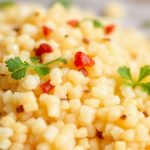
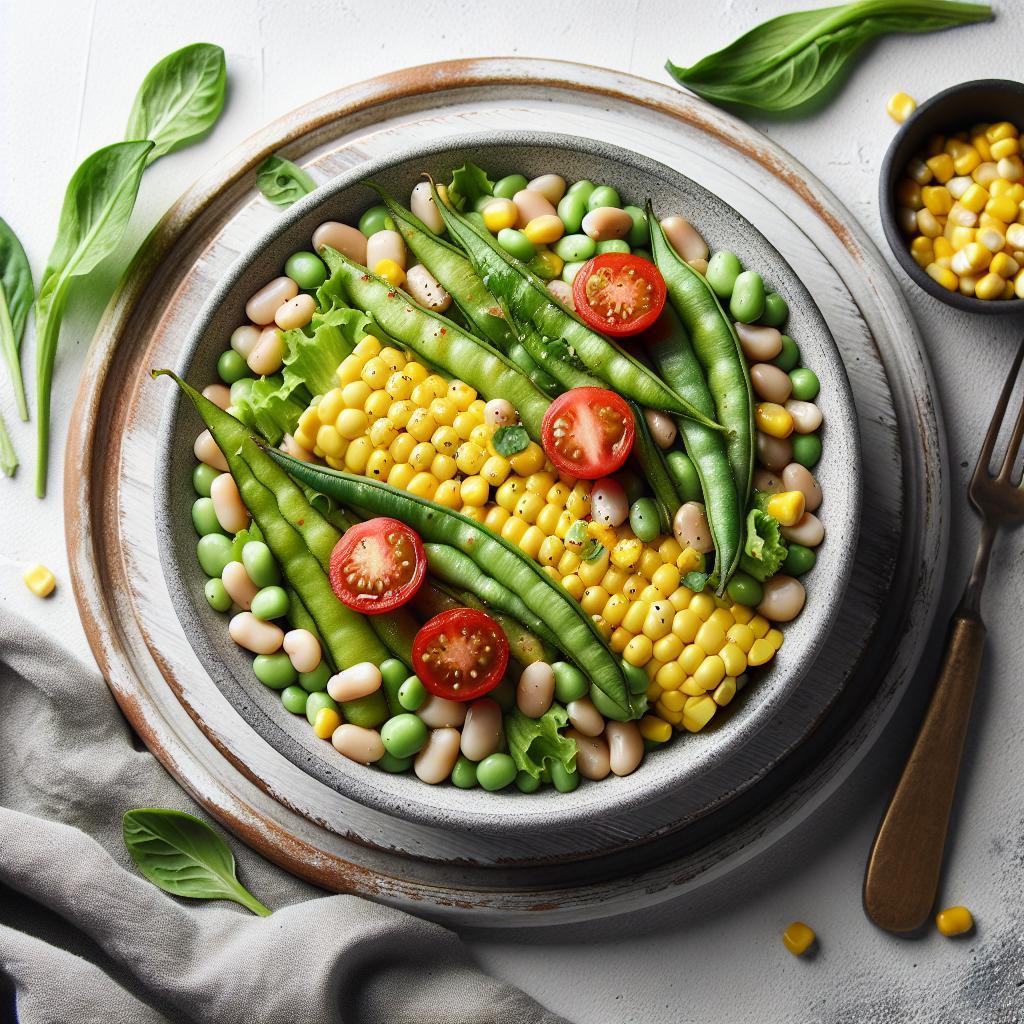

Succotash Delight honors two pantry heroes: lima beans and sweet corn. The dish pairs creamy beans with sweet kernels to create a bright, balanced side or main that scales from weeknights to gatherings.
- Seasonal peak: best with fresh summer corn and newly shelled lima beans.
- Versatile: serves as a side, salad, grain bowl topper, or taco filling.
- Nutrient-rich: plant protein, fiber, and carotenoids combine in one plate.
The History and Cultural Roots of Succotash Delight
Succotash traces to Indigenous agriculture and foodways where maize and pulses formed complementary crops and meals. The term succotash appears in historical records linked to eastern tribes who prepared corn with other vegetables.
For cultural context, read about succotash and the role of maize in North American diets. Also consult the page on the Narragansett people who preserved early forms of the dish.
Why Lima Beans and Sweet Corn Work Together
Lima beans add a buttery mouthfeel and protein, while sweet corn supplies natural sugars and crunch. Textural contrast and complementary flavors make the duo reliable in warm salads and cooked medleys alike.
Nutrition reinforces the pairing: beans contribute fiber and plant protein, and corn offers carotenoids like lutein. You can learn more about the crop itself on the lima bean page and the sweet corn page.
Prep and Cook Time
Preparation: 15 minutes. Fresh shelling and trimming take most of this time, which rewards you with bright flavor and crisp texture.
Cooking: 20 minutes. The actual stove time stays short: blanch, sauté, and finish. Total hands-on time remains under 40 minutes for most cooks.
Yield
This recipe yields 4 generous portions. It scales easily: double the ingredients for a crowd, or halve them for two plates.
Leftovers store well. Chilled succotash firms as flavors meld, so plan for next-day lunches or packed sides.
Difficulty Level
Rated Easy. The method relies on straightforward techniques: blanch, sauté, and toss. No special equipment beyond a skillet and pot.
Timing matters more than technique; watch the corn while sautéing so it caramelizes slightly without burning. That small control step lifts flavor quickly.
Ingredients
Use fresh when possible for the best texture and flavor. Frozen items will perform well if thawed and drained first.
Gather the following:
- 2 cups fresh lima beans, shelled and rinsed
- 2 cups fresh sweet corn kernels (about 3 ears)
- 1 medium red bell pepper, diced
- 1 small yellow onion, finely chopped
- 2 cloves garlic, minced
- 2 tablespoons olive oil
- 1 cup cherry tomatoes, halved
- 1/4 cup fresh basil, chopped
- 1 tablespoon fresh lemon juice
- Salt and freshly ground black pepper, to taste
- Optional: pinch of smoked paprika or crushed red pepper flakes
Instructions
Follow steps in order for consistent results. Timing and temperature keep textures alive and flavors bright.
Work cleanly: have a bowl of ice water ready for blanching and a large skillet at hand.
- Bring a large pot of salted water to a rolling boil. Add the lima beans and blanch for 3 minutes until tender but still vibrant. Drain and plunge into ice water to halt cooking; set aside.
- Heat olive oil in a large skillet over medium heat. Add the chopped onion and sauté until translucent, about 4 minutes, stirring often to prevent browning.
- Add minced garlic and diced bell pepper to the skillet. Sauté another 3–4 minutes until the pepper softens and the garlic becomes fragrant.
- Stir in sweet corn kernels and blanched lima beans. Sauté gently for 5 minutes, allowing corn sugars to caramelize slightly while beans warm through.
- Fold in halved cherry tomatoes and cook 1–2 minutes until they soften but keep shape. Remove from heat and finish with lemon juice and chopped basil.
- Season generously with salt and black pepper. Add smoked paprika or red pepper flakes if you want a smoky or spicy lift.
- Serve warm, at room temperature, or chilled. For a salad-style serving, cool completely and toss with extra olive oil and a pinch of flaky salt.
Chef’s Notes
Freshness makes a clear difference. Use freshly shelled lima beans when available for superior creaminess, and pick corn with tight silk and glossy kernels.
Frozen lima beans and corn substitute well when fresh produce is out of season; thaw and pat dry before cooking to avoid excess moisture.
Serving Suggestions
Succotash fits many plates. Pair it with grilled proteins like chicken or salmon for balanced meals, or spoon it over creamy polenta for a Southern-inspired pairing.
Wrap warm succotash in corn tortillas for a fresh taco, or fold it into a grain bowl with farro or quinoa for sustained energy and texture contrast.
Variations and Add-ins
Add cooked beans like black beans or chickpeas to boost protein and bulk. Roasted sweet potatoes or diced avocado also pair well for richer texture.
Herb swaps such as thyme or tarragon shift the dish toward savory or anise-like notes. A splash of sherry vinegar or a touch of yogurt can add brightness or creaminess.
Nutrition at a Glance
This succotash serves as a light, nutrient-dense side. Per serving estimates show moderate calories, meaningful fiber, and plant protein.
Use the table below as a quick reference to macro components per serving.
| Component | Amount per Serving |
|---|---|
| Calories | 180 kcal |
| Protein | 7 g |
| Carbohydrates | 32 g |
| Fat | 5 g |
| Fiber | 6 g |
Q&A
Succotash often prompts practical questions about cooking and storage. Below are concise answers that reflect kitchen-tested techniques and cultural background.
These replies draw from culinary practice and crop history without overcomplicating simple steps.
What is succotash and what ingredients define it?
Succotash classically pairs maize and legumes, most commonly sweet corn and lima beans. This base welcomes regional additions such as peppers, herbs, or tomatoes.
Can I use frozen lima beans or corn?
Yes. Thaw and drain frozen beans and corn before cooking to avoid watering down flavors. Frozen produce freezes at peak ripeness, making it a reliable stand-in.
How long does succotash keep in the refrigerator?
Store in an airtight container for 3–4 days. Flavors usually improve after a day as herbs and acid mingle, so plan for leftovers when possible.
Is succotash suitable for vegetarians and vegans?
Absolutely. The traditional form is plant-based, and adding legumes or grains makes it a filling vegan main. Just avoid animal-based toppings if you need it fully vegan.
Wrapping Up
Succotash remains a reliable, adaptable dish rooted in North American produce traditions. It balances flavor, texture, and nutrition for many meals and occasions.
Use the recipe as a template: keep the core of lima beans and sweet corn, then adapt herbs, acids, and add-ins to match seasonality and mood.

FAQ
How do I select the best lima beans and corn?
Look for firm, plump lima beans and corn with tight, moist silk and glossy kernels. Freshness matters most for texture and sweetness.
Can I make succotash ahead for a picnic?
Yes. Chill completely and store in a sealed container. Add fresh herbs and lemon just before serving for brightness.
What herbs pair best with succotash?
Basil, parsley, thyme, and tarragon each bring a distinct profile. Choose herbs based on the protein or starch you plan to serve alongside the dish.
Is succotash gluten-free?
In its basic form, yes. Avoiding gluten-containing sauces keeps the dish naturally gluten-free and safe for sensitive diners.
Where can I read more about the historical context of succotash?
Explore the succotash entry and related pages on Indigenous agriculture and regional foodways for deeper context.
See also: Succotash