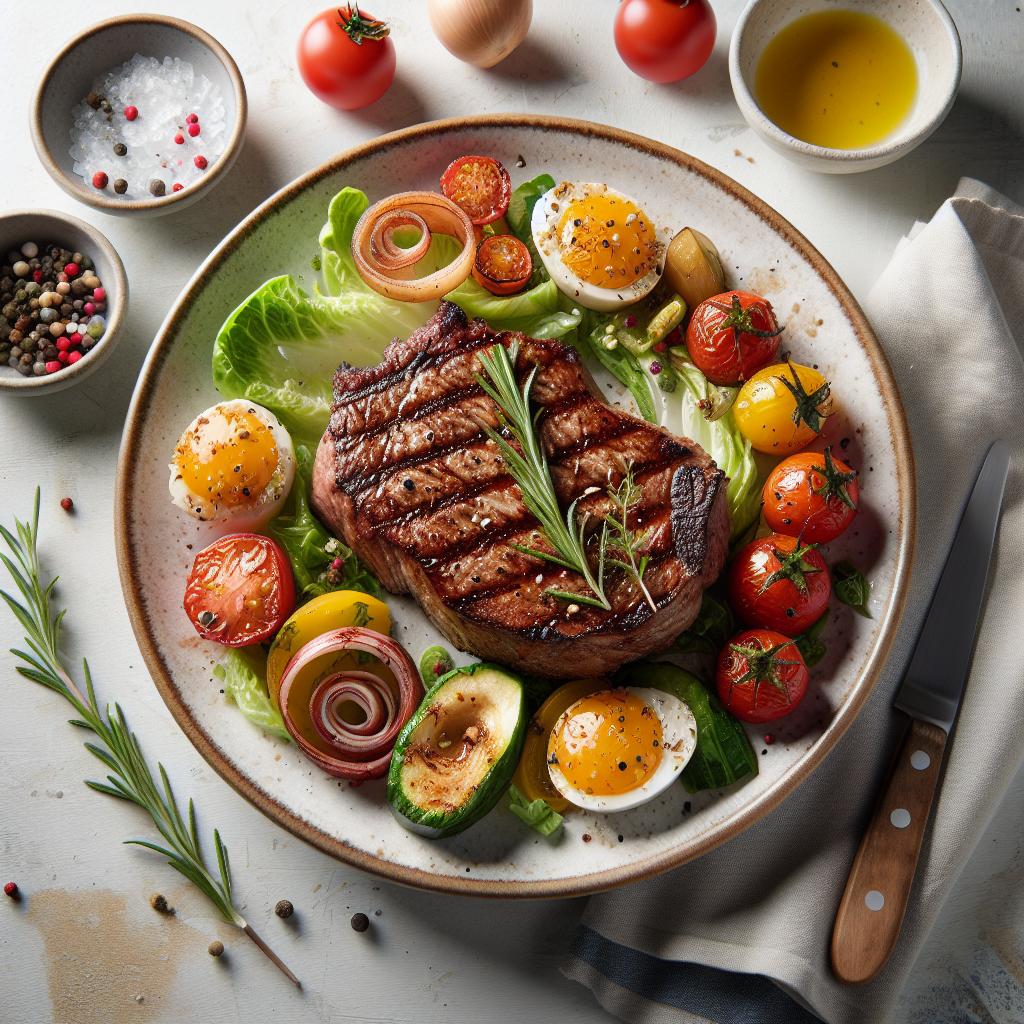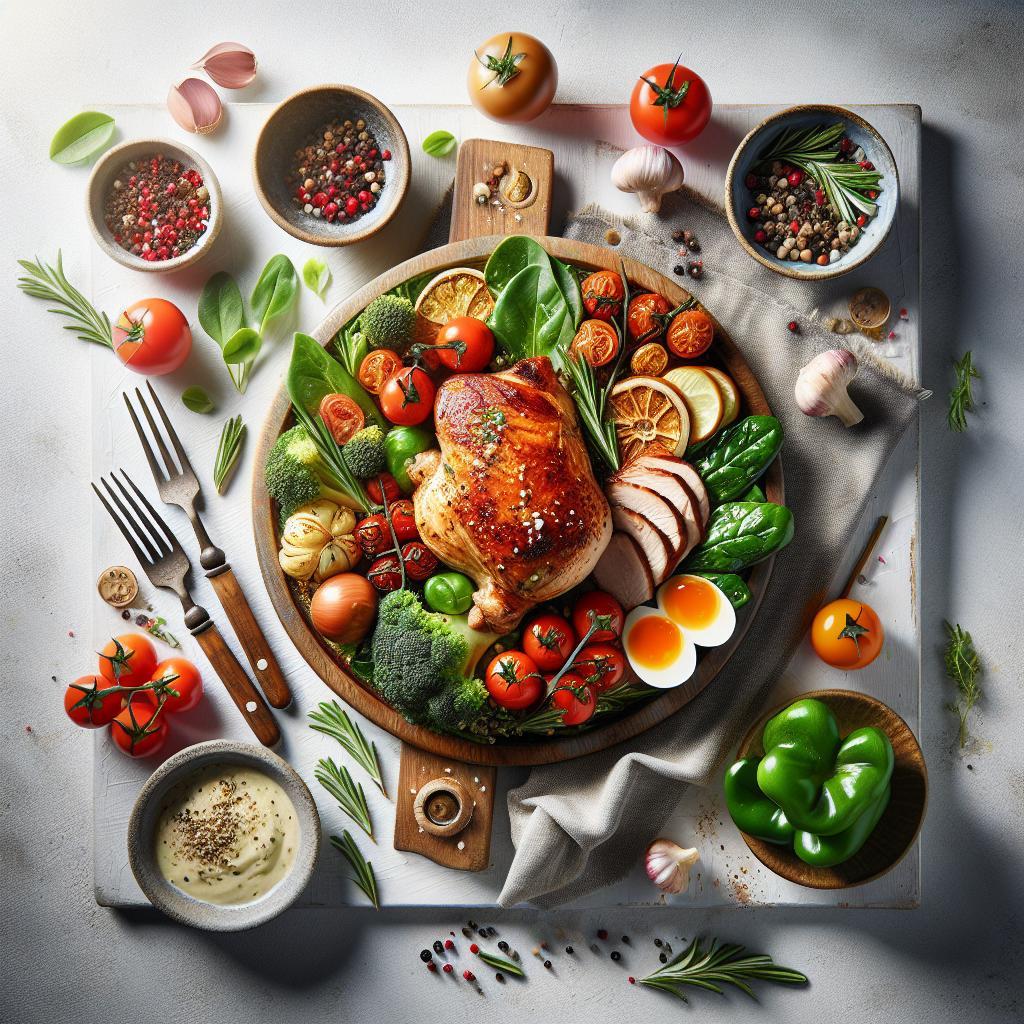

In the world of cooking, tough cuts of meat often get overlooked, banished to the back of the butcher’s case in favor of tender, ready-to-eat favorites. Yet these underestimated pieces harbor a hidden potential-rich flavors and satisfying textures that only reveal themselves through patience, technique, and a touch of culinary magic. Welcome to the art of taming tough cuts: where braising baths bubble, slow roasts transform, and sizzling skillets coax depth and tenderness from even the most steadfast slabs. This article journeys into savory recipes that soften and sizzle, unlocking the secrets to turning economical, robust meats into mouthwatering masterpieces. Whether you’re a seasoned chef or a kitchen novice, prepare to redefine your relationship with tough cuts and savor every succulent bite.
Taming Tough Cuts: Savory Recipes That Soften and Sizzle
Taming tough cuts is an art that unlocks flavors and textures hidden in less glamorous pieces of meat, rewarding patience with mouthwatering tenderness and deep, savory notes. Whether it’s a rustic stew or a perfectly seared steak, understanding the science behind collagen breakdown and muscle fiber relaxation gives you the power to transform affordable cuts into culinary masterpieces. With slow cooking techniques, rich marinades, and a sizzling finish, every bite becomes a celebration of texture and taste.
Prep and Cook Time
Preparation: 20 minutes
Cook Time: 4 hours (slow cooking) + 10 minutes (searing)
Yield
Serves 6 generous portions
Difficulty Level
Medium – perfect for adventurous home cooks eager to deepen their culinary skills
Ingredients
- 3 lbs beef chuck roast, trimmed and cut into 2-inch cubes
- 1 cup beef broth, low sodium
- 1/2 cup dry red wine (optional but recommended)
- 1/4 cup soy sauce for umami-rich marinade base
- 3 tbsp olive oil, divided
- 4 cloves garlic, minced
- 2 tbsp brown sugar (helps caramelization)
- 2 tsp smoked paprika
- 1 tsp ground cumin
- 1 tsp freshly ground black pepper
- 1 tsp salt
- 1 large onion, thinly sliced
- 2 sprigs fresh rosemary
Instructions
- Create the marinade: Whisk together soy sauce, olive oil (2 tbsp), minced garlic, brown sugar, smoked paprika, cumin, black pepper, and salt in a bowl until well combined.
- Marinate the beef: Add the beef chuck cubes to the marinade, ensuring each piece is well coated. Cover and refrigerate for at least 4 hours, or ideally overnight, to deeply infuse flavor and begin tenderizing.
- Prepare for slow cooking: Remove the beef from the marinade (reserve marinade) and pat dry to promote even searing. Heat 1 tbsp olive oil in a heavy-bottomed skillet over medium-high heat until shimmering.
- Sear the meat: In batches, sear beef cubes until a deep brown crust forms, about 2 minutes per side. Avoid overcrowding to maintain a sizzle and caramelization. Set seared pieces aside.
- Sauté the aromatics: In the same skillet, add sliced onions and cook until softened and golden, about 5 minutes. Pour in reserved marinade, deglazing and scraping browned bits from the pan for rich flavor.
- Combine in slow cooker: Transfer seared beef and onions to the slow cooker. Add beef broth, red wine, and fresh rosemary sprigs. Stir gently to blend.
- Slow cook low and slow: Cover and cook on low for 3.5 to 4 hours or until beef is fork-tender, collagen dissolved, and flavors meld beautifully. Resist lifting the lid too often-to keep steam inside.
- Finish with a sizzle: Optional-For an irresistible crust, quickly sear tender chunks once more in a hot skillet just before serving. This adds a mouthwatering textural contrast.
- Rest and serve: Remove rosemary sprigs. Let the dish rest 10 minutes before plating to allow juices to redistribute.
Tips for Success
- Choose the right cut: Beef chuck, brisket, or short ribs have plenty of connective tissue that breaks down beautifully with slow cooking.
- Patience is key: The longer, slower cooking breaks down tough collagen into gelatin, resulting in melt-in-your-mouth tenderness.
- Marinate wisely: Acidic ingredients like wine or a splash of vinegar help soften fibers; be cautious not to over-marinate with acids as they can toughen protein.
- Searing secrets: Dry the meat well before searing for a crispy crust. Avoid moving the meat excessively-let it develop a proper sear before flipping.
- Make ahead: This dish tastes even better reheated. Store covered in the fridge up to 3 days.
Serving Suggestions
Plate the tender beef chunks over creamy mashed potatoes or buttered egg noodles to soak up the luscious sauce. Garnish with finely chopped fresh parsley and a sprinkle of smoked paprika for color and aroma. A side of roasted root vegetables or a simple arugula salad with lemon vinaigrette completes this comforting yet sophisticated meal.

| Nutrient | Per Serving |
|---|---|
| Calories | 430 kcal |
| Protein | 38 g |
| Carbohydrates | 8 g |
| Fat | 25 g |
Explore more techniques on Serious Eats’ guide to slow cooking tough meat to refine your culinary prowess.
For additional inspiration, check out our slow cooker recipes collection to make the most of slow cooking magic.
Q&A
Q: What makes tough cuts of meat challenging to cook?
A: Tough cuts come from well-exercised muscles of the animal, making their fibers dense and full of connective tissue. Without proper cooking, they can turn chewy and flavorless, but when handled right, these cuts offer rich, deep flavors that melt in your mouth.
Q: How can I transform tough cuts into tender delights?
A: The secret lies in low and slow cooking methods-braising, stewing, or slow roasting-where time and gentle heat break down collagen into luscious gelatin. Marinating with acidic ingredients like vinegar or citrus also helps soften fibers before cooking.
Q: Which cuts are considered “tough” but flavorful?
A: Cuts such as chuck, brisket, short ribs, shank, and round often intimidate home cooks but reward patience with hearty, sumptuous textures and bold, beefy taste.
Q: What are some savory recipes perfect for tough cuts?
A: Think braised short ribs simmered in red wine, slow-cooked brisket with caramelized onions, or a rich beef stew bursting with herbs and root vegetables. Each recipe lets the meat soften while absorbing layers of seasoning.
Q: Can seasoning alone tenderize tough meat?
A: While seasoning adds vital flavor, it won’t fully tenderize. Enzymatic marinades-like those using pineapple or papaya-and acidic elements help, but cooking method and time are the ultimate keys to supremely soft results.
Q: What kitchen tools are best for taming tough cuts?
A: A heavy Dutch oven, slow cooker, or pressure cooker can make all the difference. These tools provide consistent low heat and moisture control, turning even the toughest cuts into savory masterpieces.
Q: How do I know when tough meat is perfectly cooked?
A: Perfect tenderness means the meat easily pulls apart with a fork but still holds its shape. Don’t rush-patience transforms toughness into a velvety steak or stew that sings with flavor.
Q: Why should I choose tough cuts over tender ones?
A: Tough cuts are often more affordable, packed with flavor, and glycerin-rich gelatin that adds luxurious mouthfeel to dishes. Plus, mastering them expands your cooking repertoire in deliciously rewarding ways.
With these tips and recipes, you’ll soon be taming tough cuts that not only soften but sizzle with savory satisfaction!
To Conclude
As the final sizzle settles and the aromas linger in your kitchen, you’ll find that even the toughest cuts have surrendered their secrets to patience and flavor. With the right techniques and a dash of culinary creativity, those once-daunting slabs of meat transform into tender, mouthwatering dishes that celebrate both texture and taste. Whether slow-simmered to perfection or seared with savory spices, these recipes remind us that great cooking is as much about time and care as it is about ingredients. So next time you face a challenging cut, embrace the process – your palate will thank you for the flavorful journey from tough to tender.