
Introduction
Tangy Twist: Creamy Coleslaw with Zesty Vinegar Dressing refines a classic side by balancing smooth richness and bright acidity. This recipe emphasizes texture control, acid balance, and crisp vegetables to produce a consistently satisfying result.
The technique here matters as much as the ingredients. Treating the cabbage correctly and mastering the dressing emulsion produces a coleslaw that keeps its crunch and delivers even flavor in every bite.
- Bright acid + cream creates lift without overpowering the vegetable base.
- Proper shredding gives consistent mouthfeel and dressing coverage.
- Rest time lets flavors marry and helps textures stabilize.
Why this recipe works
This version leans on a vinegar-based tang that lifts mayonnaise rather than drowning it. That balance produces a lively finish and keeps the overall profile refreshing alongside rich mains.
For context, coleslaw has a long culinary presence and many regional variants; see the history of coleslaw for background. Understanding that lineage clarifies why acidity is central to modern preparations.
Prep and Cook Time
Preparation: 20 minutes total active work, aimed at fine shredding for even dressing adhesion. Use a sharp chef’s knife or mandoline to achieve thin, uniform strands.
Resting Time: 1 hour (optional, recommended) to allow flavors to meld and the dressing to slightly tenderize the cabbage. Total: 1 hour 20 minutes including rest.
Yield
Serves 6 as a side dish when plated alongside main proteins or as a sandwich topping. Portion control is straightforward: about 3/4 to 1 cup per person when served with other sides.
Adjust quantities confidently; this dressing scales linearly and tolerates small tweaks in acid or sweetener without destabilizing. Keep an eye on seasoning as you scale up.
Difficulty Level
Easy — this recipe suits home cooks who want a reliable, repeatable side for gatherings. The technique is simple: shred, whisk, toss, and rest.
Precision matters mainly in texture and seasoning. These are easy skills to practice and deliver a professional-feeling result with minimal equipment.
Ingredients
Use the freshest cabbage you can find; crisp leaves translate directly into better texture. For varietal context, review the botanical overview of cabbage to understand flavor and storage characteristics.
Ingredients list (serves 6):
- 3 cups green cabbage, finely shredded
- 1 cup red cabbage, finely shredded
- 1 large carrot, grated
- 1 small red bell pepper, thinly sliced
- 1/2 cup red onion, thinly sliced
- 1/4 cup fresh parsley, chopped
- 1/2 cup mayonnaise (full fat for creaminess) — learn about emulsions and mayonnaise on mayonnaise
- 3 tbsp apple cider vinegar (for bright zing) — see culinary uses of apple cider vinegar
- 1 tbsp Dijon mustard
- 1 tbsp honey
- 1 tsp celery seed (optional)
- Salt and freshly cracked black pepper to taste
Instructions
Follow a clear mise en place: shred, measure, and have a cold bowl ready. Cold ingredients keep the dressing cohesive and prevent wilting during assembly.
Work deliberately through each step to preserve crunch and achieve an even coating. Below, I break the method into focused actions so you can repeat results reliably.
Step 1: Prepare the vegetables
Finely shred the green and red cabbage with a sharp knife or mandoline for uniform texture. Aim for strands roughly the thickness of spaghetti for optimal mouthfeel and dressing cling.
Grate the carrot and thinly slice the bell pepper and onion to match the cabbage dimensionally. Uniformity prevents pockets of overpowering flavor or soggy bites.
Step 2: Make the dressing
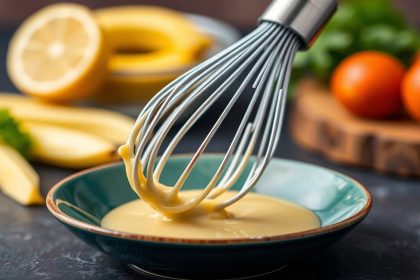
Whisk the mayonnaise, apple cider vinegar, Dijon mustard, honey, and celery seed until smooth and homogenous. Emulsify with short, energetic strokes: this stabilizes the dressing and prevents separation.
Taste and adjust: add vinegar in 1/4-teaspoon increments if you want more lift, or a touch of honey for sweetness. Maintain a 3:1 to 4:1 ratio of mayonnaise to vinegar for creamy but bright results.
Step 3: Combine and rest
Pour the dressing over the vegetable mix and toss gently to coat every piece without crushing. Use a folding motion to preserve structure and avoid a watery finish.
Season with salt and freshly cracked black pepper, then refrigerate for at least one hour to let flavors marry. Resting lets the acid mellow and helps the dressing cling rather than pool.
Step 4: Final adjustments and serve
Give the coleslaw a light toss before plating, then taste and adjust seasoning. Add a final sprinkle of fresh parsley or a pinch of celery seed for aroma.
Serve chilled for the best textural contrast with hot mains. If used as a sandwich topping, drain briefly to avoid soggy bread.
Allow at least one full hour for the coleslaw to rest when possible; this step is where the dressing and vegetables truly integrate. If making ahead, prepare up to 24 hours in advance but toss again before serving.
[NOTE: The [WARNING] block above is separated from the following
[TIP]Expert Insight: For a lighter profile, substitute half the mayonnaise with Greek yogurt and add a teaspoon of apple cider vinegar to maintain brightness. This reduces fat while retaining a creamy mouthfeel.
Tips for Success with Tangy Twist
Choose firm, heavy heads of cabbage with tight leaves for longevity and crunch. Softer or older heads will yield a limp slaw more quickly, especially after dressing.
Use a mandoline or sharp blade; torn or ragged shreds tend to release more water and produce a looser texture. Consistent cuts improve presentation and eating quality.
Customize the crunch by adding thinly sliced fennel or snap peas for a clean anise or snap note. Small changes in vegetable mix will alter mouthfeel but not the fundamental balance of acid and cream.
For storage, place the slaw in an airtight container and keep refrigerated; consume within three days for best texture. The dressing preserves flavor but will slowly soften the cabbage over time.
Serving Suggestions
This coleslaw pairs well with grilled or roasted proteins, fried fish, and hearty sandwiches. The acid cuts through fattier dishes and refreshes the palate between bites.
To dress a plate visually, serve in a shallow bowl with a sprinkle of parsley and a few whole celery seeds on top. A lime wedge at the table allows guests to add an extra splash of brightness if desired.
Nutrition
Per serving, expect approximately 150 calories with modest protein from the vegetables and fat primarily from the mayonnaise. Variations like yogurt substitution will lower calories and saturated fat.
Here is a basic nutrient table for quick reference; values are estimates based on typical ingredients and serving sizes.
| Nutrient | Per Serving |
|---|---|
| Calories | 150 |
| Protein | 2.5 g |
| Carbohydrates | 10 g |
| Fat | 12 g |
Common Variations and Substitutions
Swap half the mayonnaise for Greek yogurt to reduce fat while maintaining a creamy mouthfeel. This also brightens the flavor and increases protein slightly.
Try mixing in shredded apple or pear for a touch of natural sweetness and a contrasting texture. Small fruit additions pair well with apple cider vinegar in the dressing.
If you prefer a non-dairy option, use a high-quality plant-based mayonnaise and adjust acidity carefully. Acid levels can mask or reveal different base flavors depending on the substitute.
For a spicier profile, add a teaspoon of grainy mustard or a pinch of cayenne; increase gradually and taste as you go.
FAQ
What makes this coleslaw different from regular coleslaw?
The dressing emphasizes vinegar to lift the mayonnaise, creating a brighter overall flavor. The goal is a balanced contrast between cream and acid, resulting in a refreshing finish rather than a flat, heavy salad.
This approach mirrors many modern riffs on traditional recipes, prioritizing texture and clarity of flavor over sheer richness.
Which vinegars work best for the dressing?
Apple cider vinegar is the recommended choice for its fruity acidity and gentle aromatics. For a cleaner, sharper edge, use white wine vinegar or distilled white vinegar sparingly.
Adjust vinegar volume by teaspoons and taste as you whisk — small increments preserve control and prevent an overly aggressive profile.
Can I make this coleslaw ahead of time?
Yes. Resting for 1 to 2 hours improves flavor integration, and the slaw can be prepared up to 24 hours before serving with good results. Refrigerate in an airtight container.
If preparing a day ahead, toss again just before service to redistribute dressing and refresh the texture. Avoid leaving at room temperature for extended periods.
How can I keep the slaw crunchy?
Shred cabbage finely and keep all ingredients cold before assembly. Do not overdress; add dressing gradually and toss gently to avoid cell breakage and excess moisture release.
Storing in a sealed container and consuming within three days maintains the best texture and flavor. Acid in the dressing will tenderize the cabbage slowly over time.
Is this suitable for dietary restrictions?
Yes. Swap in plant-based mayonnaise to make the recipe vegan and maintain gluten-free status by checking ingredient labels. The vegetables themselves are naturally compliant with most diets.
For reduced-sugar needs, replace honey with a non-nutritive sweetener or omit it and increase mustard slightly to preserve balance.
Final Notes
Treat this recipe as a reliable template for future experiments. Once you understand the ratios and the impact of rest time, small substitutions yield controlled and delicious results.
Keep practicing the shredding and emulsifying techniques; they are transferable skills that improve many other salads and dressings. Use the provided tips and adjustments to match the slaw to your menu or audience.

Discover more fresh side ideas in our seasonal salad collection for inspiration and pairing suggestions.
See also: Coleslaw