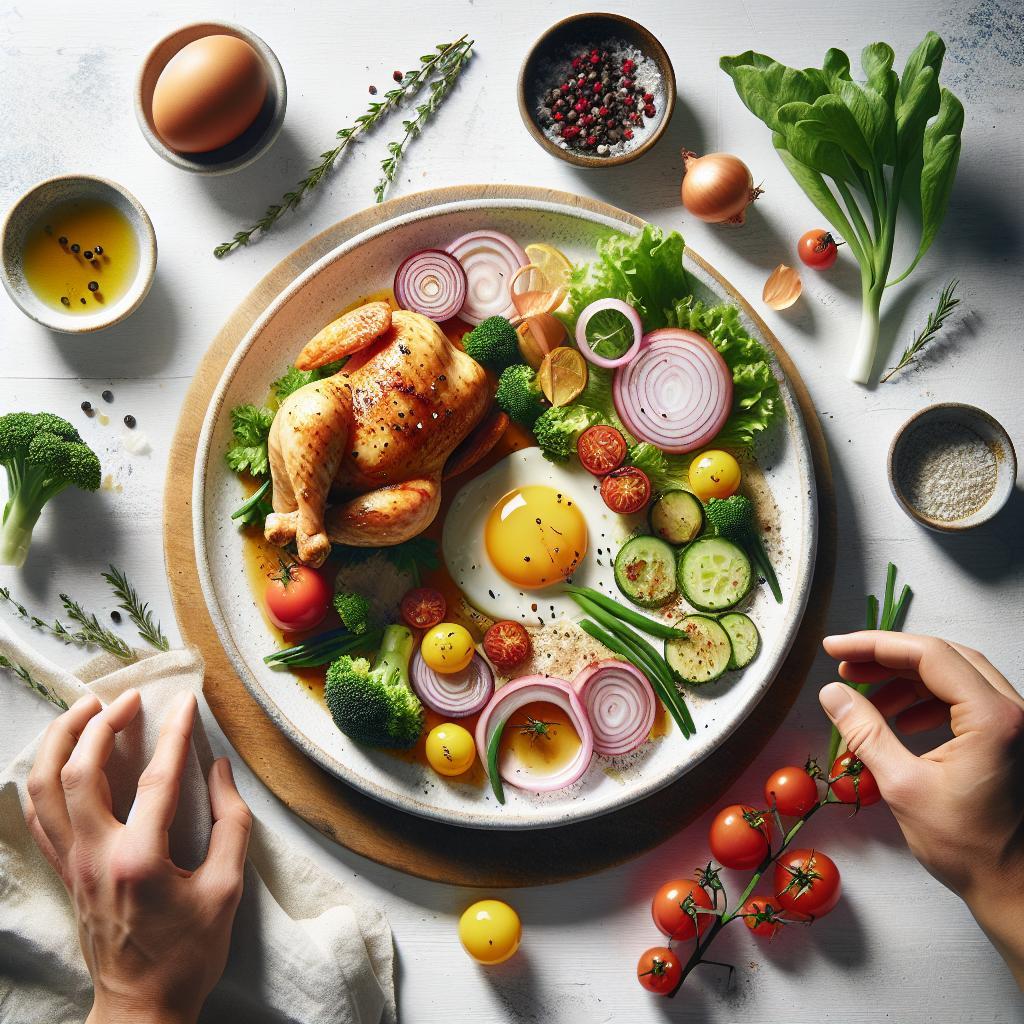

chicken onion pairing gives home cooks a reliable route to deep, layered savory flavor with minimal fuss. When executed with controlled heat and proper sequencing, the chicken onion duo turns simple ingredients into a sauce-rich main with strong aroma and satisfying texture.
- Why chicken onion Work Together
- Prep and Cook Time for chicken onion
- Yield and Scaling for chicken onion
- Ingredients for chicken onion
- Instructions for chicken onion
- Tips for Success with chicken onion
- Serving Suggestions for chicken onion
- Science Behind chicken onion Flavor
- Nutritional Info for chicken onion
- At-Home Variations for chicken onion
- Future Outlook for chicken onion technique
- FAQ
- Fast payoff: a short sear plus steady onion caramelization creates restaurant-level depth.
- Technique-forward: searing, deglazing, and fond management multiply flavor from few ingredients.
- Flexible results: the chicken onion base adapts to quick weeknights or slow, composed plates.
Why chicken onion Work Together
Chicken provides a neutral, protein-rich canvas that readily accepts aromatics. The chicken onion combination pairs the meat’s mild amino-acid profile with onions’ sugar and sulfur compounds, which interact during cooking to produce savory, sweet, and roasted notes.
Professional cooks rely on this balance: the chicken offers body while the onion supplies both texture and a flavor backbone. Understanding the chemical drivers—browning and sugar breakdown—lets you push the chicken onion result toward either quick golden sear or slow-sweet caramelization.
Prep and Cook Time for chicken onion
Preparation: 15 minutes. Cooking: 30 minutes. Total: 45 minutes for a balanced cook that includes searing and onion caramelization. These windows assume an average home skillet and moderate stove output.
Increase cook time when you want deeper sweetness from the onions or when using bone-in chicken. Reduce time for thin-cut breasts; watch internal temperature closely to avoid dryness when handling chicken onion assemblies.
Yield and Scaling for chicken onion
This recipe serves 4 portions and scales predictably. When you double the batch, keep searing in single layers or cook in batches to preserve pan temperature—crowded pans steam instead of brown, and the chicken onion flavor flattens.
For meal prep, cool quickly in shallow containers and reheat gently to maintain texture. The chicken onion mix stores well for 3–4 days refrigerated and reheats cleanly over low heat with a splash of broth.
Ingredients for chicken onion
Use boneless, skinless thighs for forgiving moisture and flavor; breasts work if you shorten finish time. Yellow onions give classic balance, while sweet varieties or shallots shift the profile toward a milder, sweeter finish.
Core ingredients: chicken thighs, yellow onions, olive oil, butter, garlic, a single warm spice like smoked paprika, a splash of low-sodium broth for deglazing, and finishing herbs. These items let the chicken onion pairing sing without overcomplication.
- 4 boneless, skinless chicken thighs, trimmed and patted dry
- 2 large yellow onions, thinly sliced
- 2 cloves garlic, minced
- 2 tablespoons olive oil
- 1 tablespoon unsalted butter
- 1 teaspoon smoked paprika
- ½ teaspoon ground cumin
- Salt and freshly ground black pepper, to taste
- ½ cup low-sodium chicken broth
- 1 tablespoon fresh thyme leaves (optional)
- Fresh parsley, chopped (for garnish)
Instructions for chicken onion
Work in this order: dry and season the chicken, sear to develop fond, remove, caramelize onions, deglaze, then finish the chicken in the onion pan. The sequence preserves the fond and concentrates flavor in the resulting sauce.
Start searing over medium-high heat, then lower to medium for onion work. Use an instant-read thermometer; pull chicken at 165°F (74°C) and rest briefly to lock juices when preparing chicken onion dishes.
Step-by-step
1. Pat chicken dry and season with salt, pepper, smoked paprika, and cumin. Heat oil until shimmering, then sear each thigh until a golden crust forms, about 4–5 minutes per side. Proper searing creates the browned bits—the fond—that define chicken onion flavor.
2. Remove the chicken, add butter and the sliced onions, and cook over medium heat for 15–20 minutes, stirring occasionally. Add garlic only after onions have softened to prevent burning and sustain a clean, roasted taste in your chicken onion sauce.
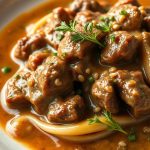
3. Deglaze with the broth, scraping up fond to incorporate browned flavors. Return chicken to the skillet, nestle thyme over the pieces, cover, and finish on low for 8–10 minutes until done.
4. Taste and adjust seasoning; a squeeze of lemon brightens the sauce. Garnish with chopped parsley and serve the chicken onion mixture over grains, mash, or a light salad.
Tips for Success with chicken onion
Choose thighs for forgiveness; breasts need careful timing or brining. Slice onions uniformly for even caramelization, and do not rush the process—slow color change yields sweeter, less bitter results.
Monitor pan moisture: if onions start to stick without browning, add a tablespoon of water or broth to continue caramelization without scorching. Maintain medium-low heat for prolonged onion development when preparing chicken onion dishes.
Serving Suggestions for chicken onion
The chicken onion mix pairs with mashed potatoes, herb couscous, or buttered grains that soak up sauce. For a lighter plate, serve over cauliflower rice or alongside a crisp green salad to balance richness.
Adjust accompaniments to match the spice profile: add a lemony herb finish for Mediterranean-style chicken onion plates, or introduce a pinch of chili for warmth without masking core flavors.
Science Behind chicken onion Flavor
Two chemical processes drive the savory profile: the Maillard reaction and caramelization. The Maillard reaction forms roasted, complex flavors when amino acids and reducing sugars react under heat; it’s the same process that browns meat crusts in chicken onion preparations.
Caramelization of onion sugars adds layered sweetness and a soft, sticky mouthfeel that balances the savory notes from seared chicken. Read more about caramelization to understand how time and temperature shape the onion’s contribution to a chicken onion dish.
Nutritional Info for chicken onion
Per serving, a typical chicken onion plate provides moderate calories, substantial protein, and a balanced fat profile when cooked with olive oil and limited butter. Values vary by cut of chicken and added sides.
Typical nutrition approximates 320 kcal, 28 g protein, 10 g carbs, and 18 g fat per serving when prepared as described. Adjust portions or switch to lean cuts if you need a lower-fat chicken onion option.
| Nutritional Info (per serving) | Calories | Protein | Carbs | Fat |
|---|---|---|---|---|
| Chicken & Onion Dish | 320 kcal | 28g | 10g | 18g |
At-Home Variations for chicken onion
Swap yellow onions for shallots or Vidalia to mute pungency and raise sweetness. Add smoked paprika, a touch of chili, or citrus to push the chicken onion profile in specific directions without losing the pairing’s core identity.
For vegetarian adaptation, replace chicken with seared mushrooms or firm tofu and use vegetable broth when deglazing. The onion technique remains unchanged and still forms the backbone of the finished dish.
Future Outlook for chicken onion technique
The chicken onion method scales from quick weeknight dinners to composed restaurant plates by shifting spice accents and finishing acids. Focusing on technique—proper sear, fond management, and measured caramelization—lets cooks apply this template across cuisines.
As you build skill, the chicken onion routine becomes a training ground: it reinforces heat control, timing, and seasoning habits that transfer to other proteins and vegetable-centric dishes.
FAQ
The following concise answers address practical points home cooks ask most about the chicken onion pairing.
How long should I sear chicken thighs for optimal crust?
Sear over medium-high heat for roughly 4–5 minutes per side without moving the meat early. This timeframe produces a stable crust and the fond that flavors the pan sauce in your chicken onion recipe.
Can I use chicken breasts instead of thighs?
Yes. Breasts cook faster and are leaner, so reduce the finishing time and monitor internal temperature to avoid dryness. Brining or thin-slicing breasts helps maintain moisture in a chicken onion dish.
Why do my onions sometimes burn instead of caramelize?
Onions burn when heat is too high or stirring is too infrequent. Use medium or medium-low heat, stir occasionally, and add a splash of broth if the pan runs dry to continue chicken onion caramelization without scorching.
What internal temperature indicates the chicken is done?
Use an instant-read thermometer and target 165°F (74°C) at the thickest part. Remove the chicken and let it rest briefly; carryover settles the juices and completes the finish on a chicken onion plate.
Where can I read more about the chemistry behind browning?
For authoritative background, consult the Maillard reaction and caramelization entries. For ingredient context, review the chicken and onion pages.

See also: chicken onion