By using this site, you agree to the Privacy Policy and Terms of Use.
Accept

CookHarvest

  • Home
  • About Us
  • Homemade Staples
    • Bread & Butter
    • DIY Dairy
    • Sauces & Condiments
    • Spice Mixes
  • Canning & Pickling
    • Jams & Jellies
    • Pickled Veggies
    • Chutneys & Relish
    • Tomato Sauces
  • Drying & Curing
    • Dehydrated Snacks
    • Homemade Jerky
    • Smoked Meats
    • Dried Herbs
  • Wild Foods
    • Wild Greens
    • Wild Mushrooms
    • Wild Berries
    • Nuts & Acorns
  • More
    • Tasty Ideas
    • American Home Meals
      • Comfort Eats
      • One-Pot Meals
      • Quick & Easy
      • Southern Classics
    • International Recipes
      • Asian Recipes
      • Italian Flavors
      • Mediterranean Flavors
      • Mexican Eats

CookHarvest

  • Home
  • About Us
  • Homemade Staples
  • Canning & Pickling
  • Drying & Curing
  • Wild Foods
  • More
Search
  • Home
  • About Us
  • Homemade Staples
    • Bread & Butter
    • DIY Dairy
    • Sauces & Condiments
    • Spice Mixes
  • Canning & Pickling
    • Jams & Jellies
    • Pickled Veggies
    • Chutneys & Relish
    • Tomato Sauces
  • Drying & Curing
    • Dehydrated Snacks
    • Homemade Jerky
    • Smoked Meats
    • Dried Herbs
  • Wild Foods
    • Wild Greens
    • Wild Mushrooms
    • Wild Berries
    • Nuts & Acorns
  • More
    • Tasty Ideas
    • American Home Meals
    • International Recipes
Follow US
  • Advertising Policy
  • Contact Us
  • Cookie Policy
  • Copyright Notice
  • Disclaimer
  • Privacy Policy
  • Terms of Service
By Fimaw.com
The Ultimate Guide to the Best Cheesecloth for Straining
CookHarvest > Blog > Homemade Staples > DIY Dairy > The Ultimate Guide to the Best Cheesecloth for Straining
DIY Dairy

The Ultimate Guide to the Best Cheesecloth for Straining

Dennis Powell By Dennis Powell Published November 7, 2025
Share
SHARE

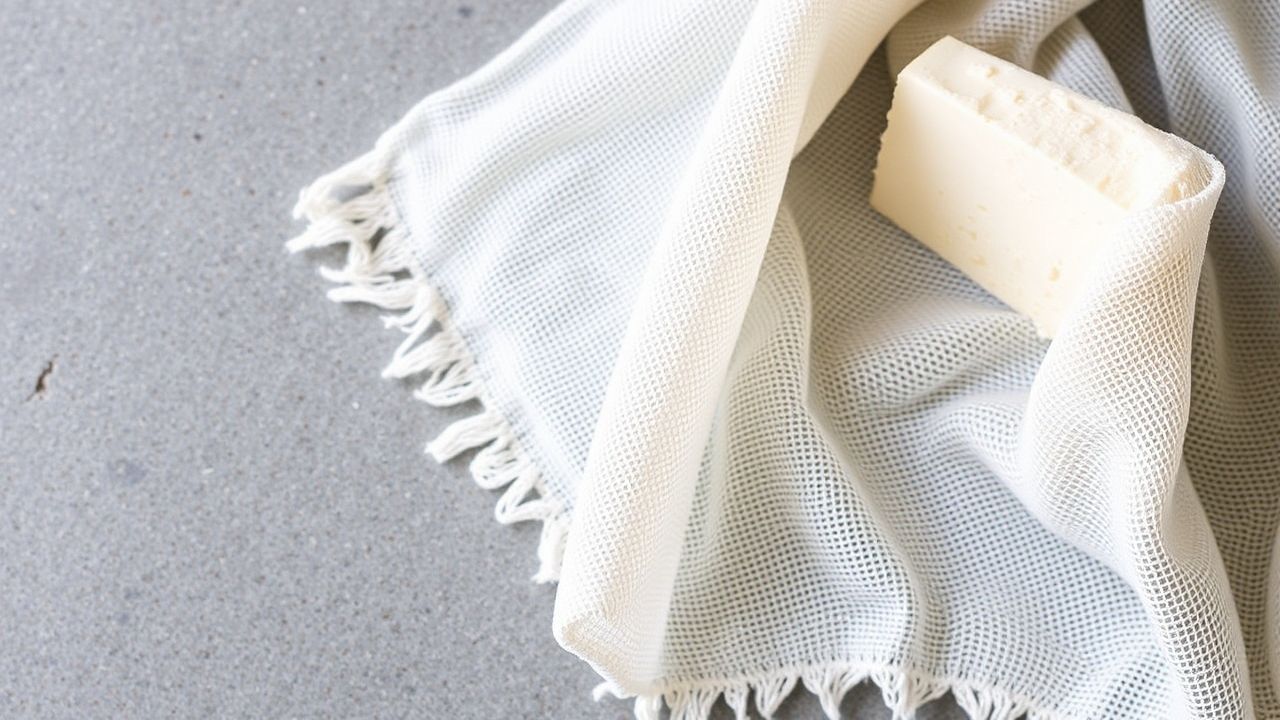
Imagine a kitchen tool so simple, yet so indispensable, that it transforms everyday cooking into an art form. Enter cheesecloth-a humble, gauzy fabric that has quietly been the unsung hero behind silky almond milks, perfectly strained broths, and smooth, creamy cheeses. Whether you’re an aspiring home chef, a passionate foodie, or a seasoned culinary wizard, choosing the right cheesecloth can elevate your straining game to new heights. In this ultimate guide, we’ll unravel the threads of this versatile material, explore the best options on the market, and show you how to make cheesecloth work wonders in your kitchen. Get ready to strain with confidence and discover why this unassuming fabric deserves a prime spot in your cooking arsenal.

Contents
Prep and Cook TimeYieldDifficulty LevelIngredientsUnderstanding Weave and Weight: How to Pick the Right Cheesecloth TextureTop Brands and Expert Picks for Durable and Reliable CheeseclothTips and Tricks for Cleaning and Maintaining Your Cheesecloth for Long-Term UseInstructions for Using and Maintaining Your CheeseclothChef’s Notes & Tips for SuccessServing SuggestionsQ&AClosing Remarks

Choosing the perfect cheesecloth material for every straining need ensures that your culinary creations reach their ideal texture and clarity. With variations in weave and weight, cheesecloth becomes a versatile kitchen essential-from gently straining delicate stocks to firm nut milk filtration. Understanding how to select the right cheesecloth texture empowers you to extract flavors flawlessly, avoiding common pitfalls like unwanted sediment or loss of yield.

Prep and Cook Time

  • Preparation: 5 minutes
  • Usage Duration: Varies based on straining task (between 30 minutes to several hours)

Yield

Suitable for batch sizes ranging from 1 quart to 5 gallons, depending on cheesecloth size.

Difficulty Level

Easy – selecting and handling cheesecloth is straightforward with a few expert tips.

Ingredients

  • 1 piece of cheesecloth tailored to the task (typically 36″ x 36″ or larger)
  • Water for rinsing and cleaning
  • Gentle detergent (optional, for maintenance)

Understanding Weave and Weight: How to Pick the Right Cheesecloth Texture

The finesse of straining starts with texture – the weave tightness and fabric weight can make or break your culinary process. A loose weave with lower thread count (approximately 50-80 threads per square inch) is ideal for coarse straining tasks such as rinsing grains or bundling herbs. Conversely, medium to tight weaves (85 threads and above) trap finer particles, perfect for nut milks, yogurt cheese, or consommé clarity.

Lightweight cheesecloth scores high on breathability but can tear easily, while heavier-weight cloths hold up to prolonged use and heavy liquids. For instance, a 40-50 gsm (grams per square meter) cheesecloth offers great durability without sacrificing flexibility.

Top Brands and Expert Picks for Durable and Reliable Cheesecloth

When investing in cheesecloth, durability and quality should be on top of your checklist. Trusted brands like , , and consistently deliver fabrics that withstand multiple uses and washes without losing texture or strength. These brands often offer organic and unbleached options, preserving the fabric’s natural purity, which is crucial for maintaining your dish’s integrity.

Opt for unbleached cheesecloth to avoid chemical residues affecting your food’s flavor. Also, review user feedback about thread counts, as some products advertise weight but not weave density, which can confuse first-time buyers.

Tips and Tricks for Cleaning and Maintaining Your Cheesecloth for Long-Term Use

Proper maintenance transforms your cheesecloth from a single-use tool into a trusted kitchen companion. Immediately rinse your cloth with cold water after use to remove residue and prevent staining. For a deeper clean, soak it in warm water with mild detergent, then rinse thoroughly. Avoid bleach, which weakens fibers.

Air-drying on a clean surface or hanging your cheesecloth ensures it retains shape and reduces mildew risk. Before your next culinary adventure, always inspect for tiny tears or thinning areas-these can cause stray solids during straining.

Instructions for Using and Maintaining Your Cheesecloth

  1. Prepare the Cheesecloth: Choose the appropriate weave and size. For more delicate liquids, fold the cloth 2-3 times to create a finer mesh.
  2. Sanitize: Rinse with boiling water to eliminate any dust or factory residues before first use.
  3. Place Your Cheesecloth: Line your strainer or bowl, ensuring it fits snugly without excess bunching, which can obstruct flow.
  4. Pour the Liquid: Slowly ladle or pour your mixture onto the cloth, avoiding spills.
  5. Strain with Care: Let gravity do its work; gently stir or shake the cloth to facilitate drainage but avoid wringing, which can release sediments.
  6. Remove and Clean: After use, rinse immediately with cold water, soak as needed, wash with mild detergent, then hang to dry.
  7. Store Properly: Fold your cheesecloth loosely and keep it in a clean, dry container ready for future recipes.

Chef’s Notes & Tips for Success

  • Substitutions: If unbleached cheesecloth isn’t available, high-quality muslin can substitute for many straining tasks.
  • Multiple Layers: Layering thinner cloths can mimic the effect of a heavier cheesecloth.
  • Washing Tip: To keep fabric soft, add a splash of white vinegar to the rinse water after detergent cycles-a natural fabric softener.
  • Make Ahead: Sanitize and dry multiple cloths if you plan on straining large quantities or multiple batches.
  • Common Mistake: Avoid reusable synthetic bags (like nut milk bags) when the recipe calls for cheesecloth-texture differences affect clarity.

Serving Suggestions

Whether straining homemade ricotta, cold brew coffee, or fresh almond milk, your care in selecting the cheesecloth elevates the end result. After straining, present your creations with minimal garnish to highlight their smooth textures-think fresh herbs, a drizzle of olive oil, or a sprinkle of smoked salt for that gourmet finish.

Your pristine, sediment-free liquids can also be paused and stored in clear glass containers to admire their clarity before enjoying, turning kitchen labor into a sensory delight.

Cheesecloth Weight Thread Count Recommended Use Durability
Light (30-40 gsm) 50-70 Herb bundles, coarse straining Delicate, single-use preferred
Medium (40-50 gsm) 75-100 Nut milks, yogurt cheese Reusable with gentle care
Heavy (50+ gsm) 100+ Stock clarity, heavy liquids Highly durable and reusable

Choosing the perfect cheesecloth material for every straining need

For more tips on essential kitchen tools, check out our comprehensive strainer guide. To deepen your knowledge about fabric materials, visit the authoritative textile resource at Textile World.

Q&A

Q&A: The Ultimate Guide to the Best Cheesecloth for Straining

Q1: What exactly is cheesecloth, and why is it essential for straining?
A1: Cheesecloth is a lightweight, loosely woven cotton fabric that acts like a magic filter in the kitchen. Its porous texture lets liquids pass through while catching solids-making it perfect for straining stocks, nut milks, yogurt, or even homemade jams. Think of it as the secret weapon for silky, sediment-free results!

Q2: Are there different grades of cheesecloth, and how do they affect straining?
A2: Absolutely! Cheesecloth comes in multiple grades, usually numbered 10 to 90. Lower numbers mean coarser weaves with bigger holes, ideal for rough straining. Higher grades have tighter weaves for finer filtration. Choosing the right grade depends on your task-like catching every tiny seed in jelly or just separating curds from whey in cheese making.

Q3: Can I reuse cheesecloth, or is it a single-use item?
A3: The best cheesecloths are washable and reusable! Cotton varieties can often be rinsed and cleaned thoroughly, allowing multiple uses if handled with care. Just avoid fabric softeners and bleach, and wash immediately after use to keep fibers strong and odor-free. However, if you’re dealing with raw meats or strong flavors, disposable cheesecloth might be safer.

Q4: What should I look for when buying cheesecloth for straining?
A4: Focus on fabric quality and weave tightness. Pure cotton, unbleached cheesecloth is gentler on flavors and more eco-friendly. Also, check the width and length-wider cloths make straining large batches easier. Look for certifications like organic cotton for that extra peace of mind, especially if you’re preparing delicate foods or drinks.

Q5: Can cheesecloth be used beyond the kitchen?
A5: Definitely! Beyond straining, cheesecloth doubles as a handy tool for crafting, polishing delicate items, or even gardening (protecting plants from pests). But remember, the best cheesecloth for straining is soft and food-safe, so pick accordingly if you’re crossing over between culinary and crafty uses.

Q6: How do I properly care for and store my cheesecloth?
A6: After rinsing and washing your cheesecloth, let it air dry completely to avoid mildew. Store it folded neatly in a dry, cool place-preferably in a breathable cotton bag or container. This will keep it fresh and ready for your next straining adventure!


With the right cheesecloth in hand, your straining projects will flow smoothly, yielding perfectly clear broths, creamy nut milks, and cloudless juices. Choose wisely, care attentively, and let your culinary creations shine!

Closing Remarks

Whether you’re crafting silky custards, brewing your own cheese, or straining homemade nut milk, choosing the right cheesecloth can transform your kitchen adventures from messy to masterpiece. Armed with this ultimate guide, you’re now ready to sift through the threads of quality, weave in the perfect gauge, and select a cheesecloth that suits your culinary dreams. So go ahead-strain with confidence, and let every drop be as pure and delicious as your passion for good food. Happy cooking!
The Ultimate Guide to the Best Cheesecloth for Straining

You Might Also Like

Mushroom Magic: Crafting Delicious Vegan Jerky at Home

Pantry Magic: Crafting a Complete Meal from Simple Staples

Unlocking Freshness: How Long Shelled Nutmeat Lasts

Wild Grapes Uncovered: A Guide to Foraging Nature’s Bounty

Savor the Forest: Mastering the Art of Cooking Chanterelles

TAGGED:andcheeseclothguidetheultimate
Share This Article
Facebook Twitter Pinterest Whatsapp Whatsapp LinkedIn Telegram Threads
What do you think?
Love0
Sad0
Happy0
Sleepy0
Angry0
Dead0
Wink0
Previous Article Biga Unveiled: The Secret Starter for Perfect Artisan Bread Biga Unveiled: The Secret Starter for Perfect Artisan Bread
Next Article Crafting Creamy Homemade Hummus from Scratch: A Guide Crafting Creamy Homemade Hummus from Scratch: A Guide
Crisp & Sweet: The Ultimate Guide to Dehydrated Apple Chips
Tomato Sauces
Water Bath vs Pressure Canning: Which Preserves Best?
Tomato Sauces
Tiny Tastes: Crafting Small Batches of Homemade Chutney
Chutneys & Relish
Tangy Twist: How to Make Perfect Homemade Pickled Eggs
Pickled Veggies

Most Viewed Posts

  • Whip Up Magic: Homemade Butter for Perfect Baking Results (500)
  • Whip Up Creamy Buttermilk Ranch Dressing at Home Today (477)
  • Soothing DIY Bath Salts with Dried Herbs & Blooms Guide (476)
  • Mastering Injera: The Art of Ethiopia’s Signature Bread (410)
  • Unlocking Shelf Life: How Long Does Homemade Ghee Last? (322)

Tags

and art berry bread butter cheese craft crafting creamy creative crunchy diy easy fluffy for foraging guide herbs homemade how jam jerky make master mastering mushroom nuts perfect relish savory spotting sweet tangy the top ultimate unlock unlocking when why wild with yogurt your zesty

You Might Also Like

Jam with a Twist: How to Make Chia Seed Jam at Home
Jams & Jellies

Jam with a Twist: How to Make Chia Seed Jam at Home

Dennis Powell Dennis Powell December 6, 2025
Unlock Bold Flavors: Craft Your Own Five-Spice Powder
Spice Mixes

Unlock Bold Flavors: Craft Your Own Five-Spice Powder

Dennis Powell Dennis Powell December 6, 2025
Herbed Oil Bliss: Crafting Homemade Bread Dips Easily
Sauces & Condiments

Herbed Oil Bliss: Crafting Homemade Bread Dips Easily

Dennis Powell Dennis Powell December 6, 2025
Soothing Plantain Salve: DIY Bug Bite Relief at Home
Wild Greens

Soothing Plantain Salve: DIY Bug Bite Relief at Home

Dennis Powell Dennis Powell December 6, 2025
Brew Bliss: Crafting the Perfect Digestive Tea Blend
Dried Herbs

Brew Bliss: Crafting the Perfect Digestive Tea Blend

Dennis Powell Dennis Powell December 6, 2025
Crafting Creamy Delight: Homemade Skim Milk Mozzarella Guide
DIY Dairy

Crafting Creamy Delight: Homemade Skim Milk Mozzarella Guide

Dennis Powell Dennis Powell December 6, 2025
Follow US
By Fimaw.com © All Rights Reserved.
  • Advertising Policy
  • Contact Us
  • Cookie Policy
  • Copyright Notice
  • Disclaimer
  • Privacy Policy
  • Terms of Service
Welcome Back!

Sign in to your account

Lost your password?