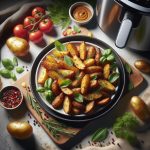
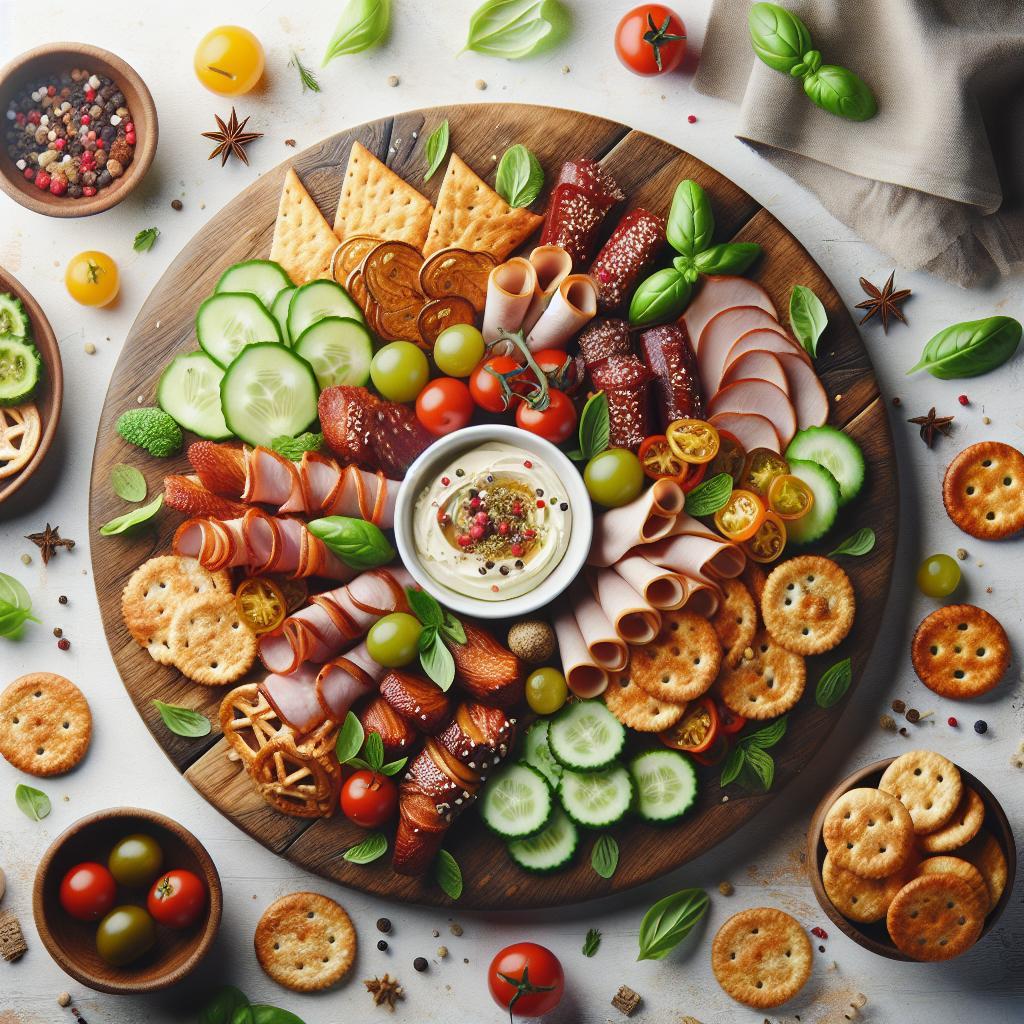

Turkish snacks fuse simple ingredients and precise technique to deliver big flavor in small portions.
- Exploring Timeless Turkish Snacks Classics
- Sigara Böreği: A Turkish Snacks Classic
- Serving, Pairing and Regional Context for Turkish Snacks
- Modern Twists and How Turkish Snacks Meet Trend
- Practical Notes for Home Cooks on Turkish Snacks
- Nutrition Snapshot for Turkish Snacks
- The Way Forward for Turkish Snacks
- FAQ: Turkish snacks
- Regional detail: Flavors reflect coast, inland, and Ottoman-era pantry staples.
- Everyday to festive: Many snacks double as breakfast items, market treats, or party starters.
- Technique-forward: Phyllo handling, frying temperature, and filling moisture control matter most.
Exploring Timeless Turkish Snacks Classics
Turkish snacks sit at the intersection of Mediterranean produce and Central Asian preservation methods.
They range from baked breads to fried pastries, and they often use cheese, sesame, nuts, and yogurt-based drinks to balance textures and taste.
Sigara Böreği: A Turkish Snacks Classic
Sigara böreği represents a clear technique: ultra-thin pastry wrapped around a salty filling and fried or baked until crisp.
Home cooks prize these rolls for portability and speed; restaurants value consistent texture and signature crunch.
Prep and Cook Time
- Preparation: 15 minutes
- Cooking: 15 minutes
- Total: 30 minutes
Yield
- Serves: 4 (about 12 pieces)
Difficulty Level
- Level: Easy
Ingredients
- 12 sheets phyllo dough, thawed and kept covered
- 200 g (7 oz) feta cheese, crumbled
- 1/2 cup finely chopped fresh parsley
- 1/4 cup finely chopped green onions
- 1 large egg, lightly beaten (for sealing and brushing)
- 1/2 tsp black pepper
- Vegetable oil for frying
Instructions
- Prepare the filling: Combine crumbled feta, parsley, green onions, and black pepper in a bowl. Mix until herbs distribute evenly.
- Cut phyllo sheets: Place one phyllo sheet on a clean surface and keep the rest covered with a damp cloth to prevent drying. Slice the sheet lengthwise into three equal strips.
- Fill and roll: Brush a thin line of beaten egg along one long edge of a strip. Add about 1 tablespoon of filling near the edge and roll like a cigar, folding sides to seal.
- Seal and repeat: Brush the end with egg to seal the roll. Repeat until all strips are filled.
- Heat oil: Warm vegetable oil in a deep frying pan to approximately 180°C (350°F). Use enough oil to submerge half the rolls for even browning.
- Fry until golden: Fry in batches, turning occasionally, until golden brown—about 3–4 minutes per side. Avoid overcrowding to keep the crust crisp.
- Drain and serve: Remove with a slotted spoon and drain on paper towels. Serve warm for best texture.
[h3]Tips for Success[/h3]
- Keep unused phyllo covered with a damp cloth to prevent cracking.
- For a creamier filling, blend feta with ricotta or soft goat cheese.
- To reduce oil, bake at 200°C (400°F) for 15–18 minutes, turning once, until golden.
Serving suggestion: Garnish with parsley and lemon wedges. Pair with a cold yogurt drink or a light salad for balance.
Sigara böreği shows how small technique changes alter outcome. Controlling moisture and oil temperature produces repeatable texture and flavor.
Many cooks compare the rolled shape to other regional pastries; the form optimizes crisp edge-to-center contrast without complex laminating.
Serving, Pairing and Regional Context for Turkish Snacks
Pairings often balance salty pastries with cooling or acidic components, such as yogurt drinks or lemon wedges.
Coastal areas emphasize seafood plates and olive oil–rich small bites; inland regions lean on preserved fruits, nuts, and hearty cheeses.
Market culture matters: street vendors sell handheld snacks for quick consumption, while tea-time offerings appear at home and in cafés.
For quick reading on culinary history, consult Turkish cuisine for regional patterns and ingredient use across the country.
Modern Twists and How Turkish Snacks Meet Trend
Contemporary chefs update fillings—think roasted vegetables, plant-based cheeses, or spice blends—while preserving frying and baking techniques.
These iterations keep Turkish snacks relevant to varied diets without discarding the core methods that create texture and flavor.
Restaurants will plate small bites with microgreens or modern dips to elevate presentation and drive social-media interest.
For traditional references chefs consult historical sources such as the Ottoman Empire kitchen records to preserve authentic technique while experimenting.
Once safety and technique are consistent, you can swap fillings or finish with spices like pul biber to create signature versions.
Try a baked version for lower fat, or convert fillings to savory hand pies for grab-and-go service.
Practical Notes for Home Cooks on Turkish Snacks
Ingredient quality changes final taste: choose fresh herbs, firm feta, and good sesame for breads like simit.
Check phyllo packaging date and handle sheets gently; cold, stiff phyllo tears, while dry phyllo cracks.
Control oil with a thermometer. Oil below 170°C absorbs into pastry; above 190°C browns exterior before warming the interior.
For more hands-on recipes, see our internal simit recipe and the detailed börek guide for layering and baking tips.
Nutrition Snapshot for Turkish Snacks
Nutritional profiles vary widely across types: fried pastries provide more fat, while nut-based snacks supply fiber and plant protein.
Portion control and preparation method shift calorie and macronutrient totals significantly between fried and baked approaches.
| Nutrient | Per Serving (3 pieces) |
|---|---|
| Calories | 210 kcal |
| Protein | 8 g |
| Carbohydrates | 15 g |
| Fat | 13 g |
The Way Forward for Turkish Snacks
Experimentation helps; try one recipe, adjust a single variable, and re-test to learn the method’s limits and flexibility.
Track changes such as baking time, oven temperature, or different cheeses to build reproducible results for your kitchen.
Explore regional variations and seasonal produce to expand your snack repertoire. Use references like the simit and börek pages for quick context.
Small, repeatable practices—proper oil temperature, covered phyllo, measured filling—translate across many Turkish snacks and yield confident results.
FAQ: Turkish snacks
What defines Turkish snacks?
Turkish snacks typically use local produce, simple techniques, and strong contrasts—crisp versus creamy, salty versus tangy.
They serve at markets, tea time, and family tables, and they often reflect the produce and preservation methods of a region.
Are börek and sigara böreği the same?
Börek describes a family of filled pastries made from layered dough. Sigara böreği is a specific thin, cigar-shaped variant usually filled with cheese or greens.
The distinction matters for cooking technique and portion size: sigara böreği cooks faster and offers a more delicate bite.
Can I bake sigara böreği instead of frying?
Yes. Brush rolls with oil or egg and bake at 200°C (400°F) for 15–18 minutes until golden for a lower-fat option with good crunch.
Baking shortens active frying hazards and yields consistent color when you turn rolls halfway through baking.
Where can I learn more about regional variations?
Start with reputable culinary summaries and regional cookbooks that focus on Anatolia, the Mediterranean coast, and southeastern specialties.
Reference pages on Turkish cuisine and historical sources to map ingredient patterns across regions.
Which snack should a first-time taster try?
Try simit with tea for an immediate sense of texture and sesame flavor, or a warm cheese sigara böreği for contrast between crisp pastry and savory filling.
Both options reveal how simple ingredients, handled correctly, deliver memorable results.
See also: internal guides and recipe collections for step-by-step variations and seasonal menus.

See also: Turkish snacks