
Twist Your Tastebuds: The Ultimate Guide to Meal Pasta
Pasta offers a versatile canvas for turning a simple bowl of noodles into a balanced, satisfying plate. This guide explains how to build bold sauces, match shapes to textures, and use technique so each serving functions as a complete meal.
- Build flavor layers: combine acid, fat, aromatics, and texture.
- Choose shapes: let rigged shapes hold chunky sauces for better bite.
- Work smart: reserve pasta water, emulsify oils, and finish off heat correctly.
Exploring Bold and Unconventional Pasta Sauces: Your Gateway to Flavorful Adventures
Move beyond standard tomato or cream by experimenting with nut-based pestos, roasted vegetable coulis, and umami-rich blends. These sauces add depth and nutrition while keeping the plate light and dynamic.
For reference on traditional sauce bases and techniques, consult the broader context of pasta preparation on pasta basics. That background helps you adapt classic technique to new ingredients.
Why shape matters
Pasta shape governs mouthfeel and sauce adherence. Twisted, ridged, or tubular forms capture chunky sauces and nuts, making every bite layered and satisfying.
See a wide range of shapes on the list of pasta varieties to match sauce viscosity with structural features.
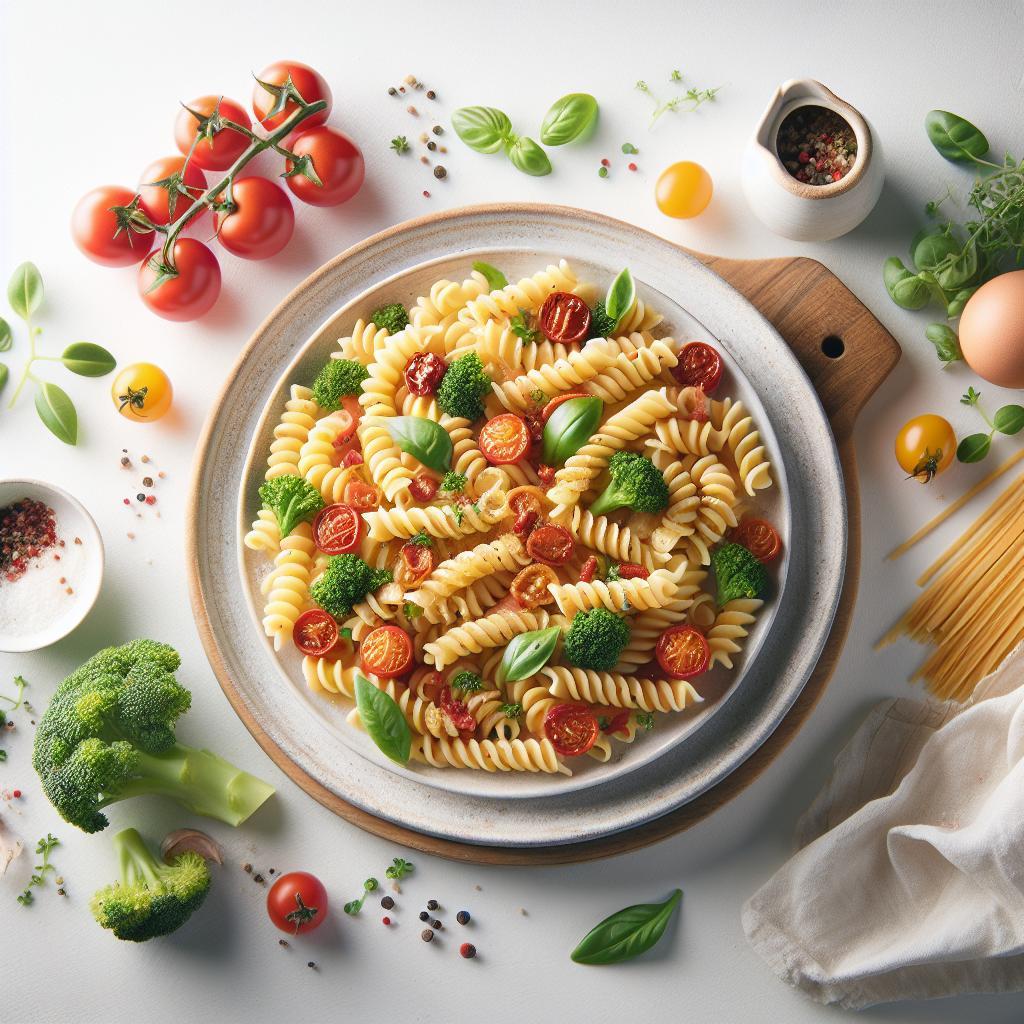
Sun-Dried Tomato & Pistachio Pesto with Casarecce
This bright, nut-forward pesto swaps basil-only profiles for a savory-sweet sun-dried tomato backbone and crunchy pistachios. Casarecce or similar twisted shapes trap the pesto, giving every forkful a textured, savory finish.
For a quick primer on pesto history and variations, see the encyclopedia entry on pesto. It highlights how regional ingredients shape pesto-style sauces worldwide.
Prep and Cook Time
- Prep Time: 15 minutes
- Cook Time: 12 minutes
Yield
- Serves 4
Difficulty Level
- Medium
Ingredients
- 350g casarecce pasta
- 1 cup sun-dried tomatoes (packed in oil, drained)
- 1/2 cup shelled pistachios (unsalted, toasted)
- 1 garlic clove, minced
- 1/3 cup fresh basil leaves, packed
- 1/2 cup extra virgin olive oil
- 1 tbsp lemon juice (fresh)
- Salt and freshly ground black pepper, to taste
- 1/4 cup grated pecorino cheese (optional)
Instructions
- Bring a large pot of salted water to a rolling boil. Add pasta and cook until al dente, about 10–12 minutes; reserve 1/2 cup cooking water before draining.
- While pasta cooks, pulse sun-dried tomatoes, toasted pistachios, garlic, and basil in a food processor to a coarse mix. Keep some texture rather than pureeing to a smooth paste.
- With the processor running, drizzle in olive oil slowly to emulsify the mixture. Stop and scrape down the sides to ensure even texture.
- Transfer pesto to a bowl and stir in lemon juice. Adjust seasoning with salt and pepper to balance sweetness and acidity.
- Toss drained pasta with pesto, adding reserved cooking water a tablespoon at a time to create a glossy coating that clings to the pasta.
- Plate and finish with grated pecorino and whole pistachios for contrast. Serve immediately for best texture.
Chef’s Notes
To make this vegan, omit pecorino or substitute nutritional yeast for a savory edge. For deeper nuttiness, toast pistachios until golden and cool before pulsing to preserve oil integrity.
If sun-dried tomatoes are unavailable, roast cherry tomatoes with olive oil and a pinch of salt until jammy. That roasted concentrate provides a similar sweet-tang profile.
Serving Suggestions
Pair the pesto-dressed casarecce with a crisp salad dressed in lemon vinaigrette to cut richness. Add a simple protein such as grilled fish or chickpeas for a complete plate without heavy cream.
To present, scatter toasted pistachios and basil leaves across the dish. A light drizzle of extra virgin olive oil just before serving brightens flavors and adds gloss.
| Nutrient | Per Serving |
|---|---|
| Calories | 460 kcal |
| Protein | 14 g |
| Carbohydrates | 56 g |
| Fat | 18 g |

Pairing & Technique Tips to Enhance Your Pasta Experience
Match sauce viscosity with pasta shape: smooth sauces shine on thin ribbons, chunky sauces demand ridges or tubes. This simple rule boosts satisfaction and reduces the need for heavy binders.
Use high-quality fats and finish gently. Learn more about oil varieties on the olive oil page, which explains how oil flavor and smoke point affect final results.
Texture and nutrition swaps
Mix whole-grain or legume-based pasta with standard pasta to add fiber and protein without losing the familiar bite. Combine vegetables for volume and consider legumes for plant-based protein.
Small changes like swapping 25% of regular pasta for chickpea pasta can increase satiety and nutrient density while maintaining mouthfeel and cooking behavior.
Finishing techniques
Reserve pasta water for emulsification. The starchy water helps bind oil-based or nut-based sauces to noodles for a silky finish. Add it gradually and taste as you go.
For cream-like textures without cream, purée roasted vegetables with a little pasta water or olive oil. This yields body and flavor without heaviness.
Explore regional pasta traditions to inspire combinations. Brief study of Italian culinary patterns clarifies why certain ingredients pair with specific shapes and techniques.
Q&A
Below are concise, practical answers to common questions about building meal-level pasta dishes. These focus on technique and ingredient swaps you can use tonight.
Each reply aims to be actionable so you can test one idea per meal and notice the difference immediately.
What exactly is “meal pasta” versus a regular pasta dish?
Meal pasta balances carbohydrates, protein, and vegetables so the plate functions as a single-course meal. It prioritizes texture, flavor contrast, and sufficient protein to satisfy hunger.
Think of it as a composed plate rather than a side-dish pasta tossed with sauce. The goal is a complete eating experience per forkful.
How can I elevate a basic pasta without making it heavy?
Layer flavors with acid (lemon or vinegar), herbs, and umami elements like roasted mushrooms or miso. Use oil-based or vegetable puré sauces instead of cream to keep richness without density.
Add a modest protein portion and finish with fresh herbs or citrus zest to brighten the dish and reduce perceived heaviness.
Are there vegan meal pasta options that still feel indulgent?
Yes. Use puréed nuts or cooked white beans for creamy textures, roast vegetables for caramelized depth, and finish with nutritional yeast for umami. Combine textures: crunchy seeds, silky sauce, and sautéed greens.
These swaps deliver satisfaction while keeping the plate plant-forward and nutrient-dense.
Quick weekday strategies for meal pasta?
Prep components ahead: roast a pan of vegetables, cook a pot of lentils, and keep a jar of nut-based pesto for quick tosses. Use quick-cooking pasta shapes that hold sauces well for a 15- to 20-minute dinner.
Batch-cook grains or proteins on weekends and mix components on busy nights to create variety without extra effort.
FAQ
These short, searchable questions help readers and search engines find precise answers fast. Each item reflects common queries about meal-level pasta planning.
How long does pesto keep in the refrigerator?
Stored airtight, nut-based pesto keeps up to 3 days refrigerated. For longer storage, freeze in small portions and thaw in the fridge before use.
Which pasta shapes best hold chunky sauces?
Shapes with folds, ridges, or cavities like orecchiette, casarecce, and rigatoni trap chunks and create a satisfying texture contrast on each bite.
Can I use olive oil instead of butter for finishing?
Yes. A quality extra virgin olive oil added off-heat gives shine and aromatic lift. For a silkier mouthfeel, emulsify with reserved pasta water.
Are legume-based pastas suitable for all recipes?
Legume pastas work well in hearty sauces and cold salads but may be firmer and absorb less sauce than wheat pasta. Blend with regular pasta if you want intermediate texture.
Where can I learn more about pasta techniques?
Start with the general pasta overview and regional practices found in culinary references, and then experiment at home with one new technique per week to build skill and confidence.
See also: Meal Pasta