
Ultimate One-Pot Cheesy Hamburger Helper: Easy Comfort Meal
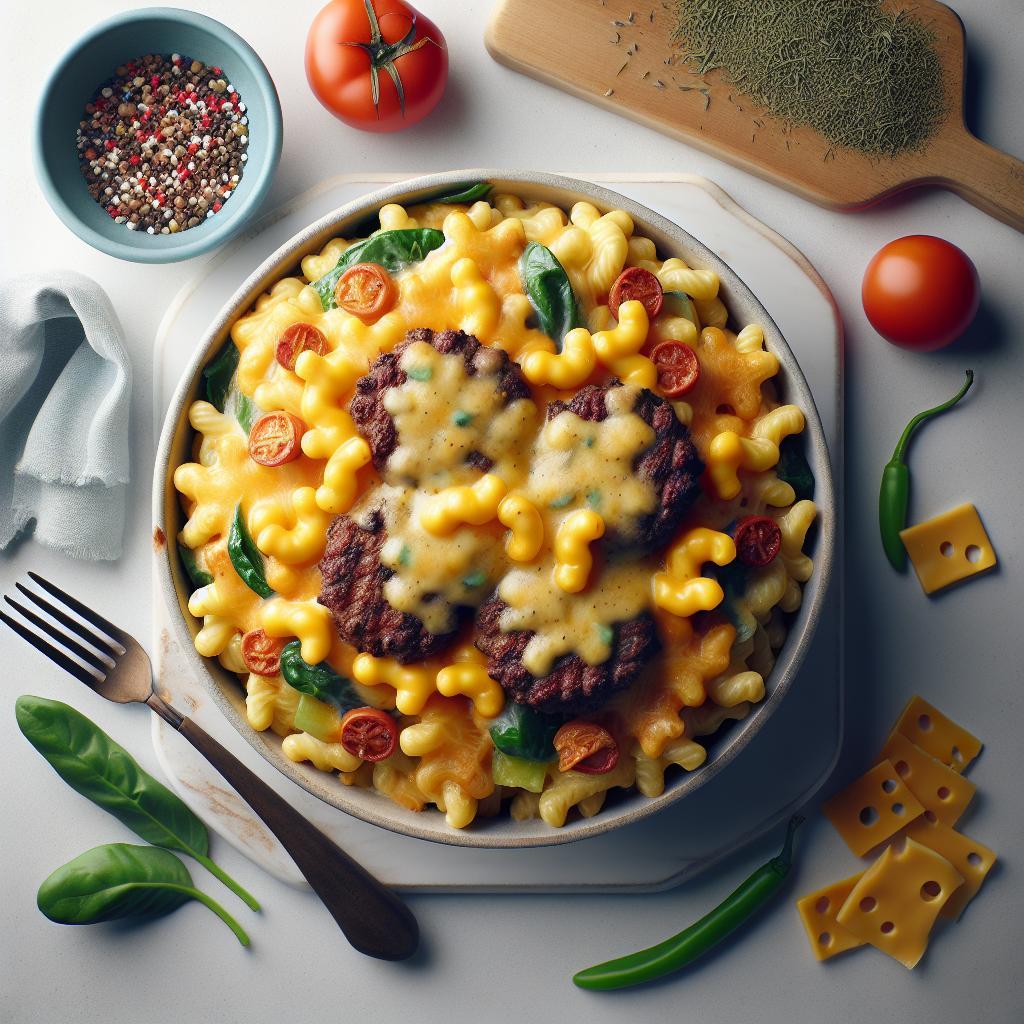
This one-pot recipe delivers creamy cheese, savory ground beef, and tender pasta in under 35 minutes. It reduces cleanup while giving you a richly flavored, family-friendly dinner you can customize easily.
- Quick prep: Ready in about 35 minutes for busy nights.
- One pot: Saves time, reduces dishes, and concentrates flavor.
- Customizable: Swap proteins, cheeses, or pasta for dietary needs.
For a reliable protein base, this recipe uses lean ground beef that browns quickly and adds savory depth. The technique trades boxed convenience for fresher ingredients and greater control over seasoning and sodium levels.
Overview and Why It Works
Combining starch, protein, and a binding dairy sauce in one vessel concentrates flavor and shortens cook time. Toasting pasta briefly before simmering helps maintain texture and adds subtle nutty notes.
This method mirrors classic one-dish preparations such as casseroles and skillet meals; it relies on controlled simmering to let starches release and thicken the sauce. See general principles behind these methods on the casserole page.
Prep and Cook Time
Prep: 10 minutes. Cook: 25 minutes. Total time is about 35 minutes when you follow efficient mise en place.
Set ingredients out before you start: measure broth and milk, shred cheese, and have seasonings at hand. This small step prevents overcooking the pasta while you hunt for items.
Yield
Serves 4 hearty portions. Portion control depends on appetite and side dishes; consider adding vegetables to stretch servings without losing comfort-factor.
Leftovers reheat well and make excellent next-day lunches, so plan containers when you cook. For meal-planning tips visit the internal recipe collection linked below.
Difficulty Level
Easy. The method requires basic skills: sauté, brown, simmer, and fold in cheese. It suits novice cooks who want fast, satisfying results.
Timing matters more than technique; watch the pasta as it simmers to avoid overcooking. Short, focused attention yields creamy, not gummy, pasta.
Ingredients
The ingredient list uses common pantry staples and fresh dairy to build a balanced, flavorful sauce. Choose quality cheese and fresh aromatics for the best texture and flavor.
- 1 lb lean ground beef (90% lean)
- 1 tbsp olive oil
- 1 small yellow onion, finely chopped
- 2 cloves garlic, minced
- 2 cups elbow macaroni
- 3 cups low-sodium beef broth
- 1 cup whole milk
- 1 ½ cups shredded sharp cheddar cheese
- ½ cup shredded mozzarella cheese
- ¼ cup grated Parmesan cheese
- 1 tsp smoked paprika
- 1 tsp dried thyme
- 1 tsp Dijon mustard
- Salt and freshly ground black pepper, to taste
- 2 tbsp chopped fresh parsley (for garnish)
Use good-quality shredded cheeses rather than processed pre-shredded blends when possible; they melt more smoothly. If you need a gluten-free option, swap in gluten-free elbow pasta.
Instructions
Work in stages for predictable results: aromatics, protein, pasta, simmer, then finish with cheese. Keep heat moderate to control moisture evaporation and pasta texture.
- Heat oil in a heavy-bottomed skillet or Dutch oven over medium heat. Add chopped onion and sauté until translucent, about 3 minutes; this builds a sweet aromatic base.
- Add garlic and cook 30–60 seconds until fragrant; avoid browning the garlic to prevent bitterness.
- Brown the beef on medium-high, breaking it into small pieces; season with smoked paprika, dried thyme, salt, and pepper. Drain excess fat if necessary to keep the sauce from separating.
- Stir in the pasta to toast briefly, about 1 minute; this step helps the pasta keep its shape during simmering. Tip: use quality elbow or medium pasta such as macaroni for classic texture.
- Pour in broth and milk and add Dijon mustard; stir to combine. Bring to a gentle boil, reduce heat, and cover to simmer for 12–15 minutes, stirring occasionally until pasta is al dente and most liquid is absorbed.
- Off heat, fold in cheeses gradually until the sauce becomes smooth. If the mixture seems too thick, stir in extra broth or milk a little at a time until you hit a silky consistency.
- Adjust seasoning to taste and garnish with chopped parsley for freshness. Serve hot with your favorite sides.
For equipment, a heavy skillet or enameled cast iron delivers even heat; a thin pan can scorch the bottom before the pasta cooks. See general cookware notes on the frying pan page for material-related behavior.
Tips for Success
Small technical choices change the final texture: shredded cheese, moderate heat, and fresh aromatics all matter. Use milk rather than cream for balanced richness without overwhelming fat.
Resist adding all the cheese at once; fold it in off heat so it melts gently and stays glossy. Pre-grating yields a faster melt and a smoother mouthfeel.
[h3]Cheese and Texture (H3 Example)[/h3]
Cheese selection affects flavor and mouthfeel: sharp cheddar for bite, mozzarella for stretch, Parmesan for umami. Mixing these three gives complexity and silkiness.
Shred cheese from blocks when possible; anti-caking agents in pre-shredded cheese can cause clumping. If needed, add a splash of milk to rescue a grainy sauce.
When adjusting consistency, add liquid a little at a time; starches continue to absorb and thicken as the dish rests. Resting briefly before serving improves cohesion between pasta and sauce.
Serving Suggestions
Serve this dish with bright, acidic sides to cut through the richness, such as a crisp green salad with vinaigrette. Roasted or steamed green vegetables provide texture contrast and balance.
Offer crusty bread or garlic rolls for mopping up sauce and a sprinkle of extra Parmesan at the table for those who like an extra savory hit. Leftovers pair well with a quick broccoli reheat or added fresh spinach wilted into the pot.
Storage and Make-Ahead
Make-ahead: stop at step 5, cool quickly, and refrigerate up to 24 hours. Reheat gently over low heat and add a splash of milk to refresh the sauce.
Store leftovers covered for up to 3 days in the refrigerator. Freeze in airtight containers for up to 2 months; thaw overnight in the fridge before reheating to preserve texture.
Nutrition
This version averages about 520 kcal per serving with balanced protein and carbohydrates. Fat content comes primarily from cheese and beef; use leaner meat or reduced-fat dairy to lower calories.
| Nutrition | Per Serving |
|---|---|
| Calories | 520 kcal |
| Protein | 35 g |
| Carbohydrates | 40 g |
| Fat | 25 g |
Common Variations
Swap half the beef for ground turkey or plant-based crumbles to lower saturated fat while keeping structure. Add diced bell pepper, mushrooms, or baby spinach during the sauté step for extra fiber and micronutrients.
For a smoky profile, increase smoked paprika and finish with a light drizzle of balsamic reduction. For heat, fold in a small amount of chipotle in adobo or red pepper flakes at the end.
Internal Recipes and Related Reads
Explore more one-pot dinners in our Easy One-Pot Meals collection for weeknight-friendly options. You’ll find flexible templates that adopt the same timing and technique as this recipe.
Learn plating tips and leftover strategies in our quick guide at Leftover & Reheat Tips. These internal guides help extend meals and reduce waste without compromising quality.
FAQ
What makes this One-Pot Cheesy Hamburger Helper “ultimate”?
The balance of cheese, well-seasoned beef, and pasta cooked in one vessel produces concentrated flavor and soft, cohesive texture. Control over ingredients and seasoning beats boxed mixes on taste and nutrition.
Using fresh shredded cheese and controlled simmering yields a creamier, more satisfying sauce than many packaged versions.
Can I customize the cheese in this recipe?
Yes. Swap or blend cheeses such as Monterey Jack, Gruyère, or even smoked cheeses for different profiles. Keep a mix of melting and flavor cheeses for both stretch and taste.
Grate from blocks and add off heat for the best melt and texture. A little Parmesan adds umami without overwhelming creaminess.
What pasta works best in this one-pot meal?
Medium shapes like elbow macaroni, small shells, or rotini hold sauce and cook evenly. Avoid very small or very thin pastas that can turn mushy during simmering.
When using gluten-free pasta, monitor cook time closely—some brands become soft faster and need less simmering time.
How can I make this meal lighter without losing comfort?
Use half lean ground beef and half ground turkey, or add extra vegetables to increase volume and micronutrients. Substitute low-fat milk and reduce cheddar slightly to lower calories while keeping creaminess.
Include leafy greens like spinach at the end to boost vitamins without changing cooking time. A squeeze of lemon over the finished dish brightens flavor and reduces perceived richness.
Can I prepare this dish in advance and reheat it later?
Yes. Complete through simmering, cool, and refrigerate. Reheat gently and add a splash of milk or broth to bring back a silky texture before stirring in fresh cheese.
For best texture, avoid microwave reheating at high power; instead rewarm on the stovetop over low heat and stir frequently to prevent clumping.
The Way Forward
When you want fast, familiar comfort that still tastes homemade, this one-pot cheesy hamburger approach delivers. It trades processed mixes for quality ingredients and small technique choices that make a noticeable difference.
Keep pantry staples on hand and you’ll have a reliable weeknight meal that scales, freezes, and adapts to taste. Enjoy the leftovers or serve fresh—either way, you’ll get a dependable, crowd-pleasing dinner.

See also: Hamburger Helper