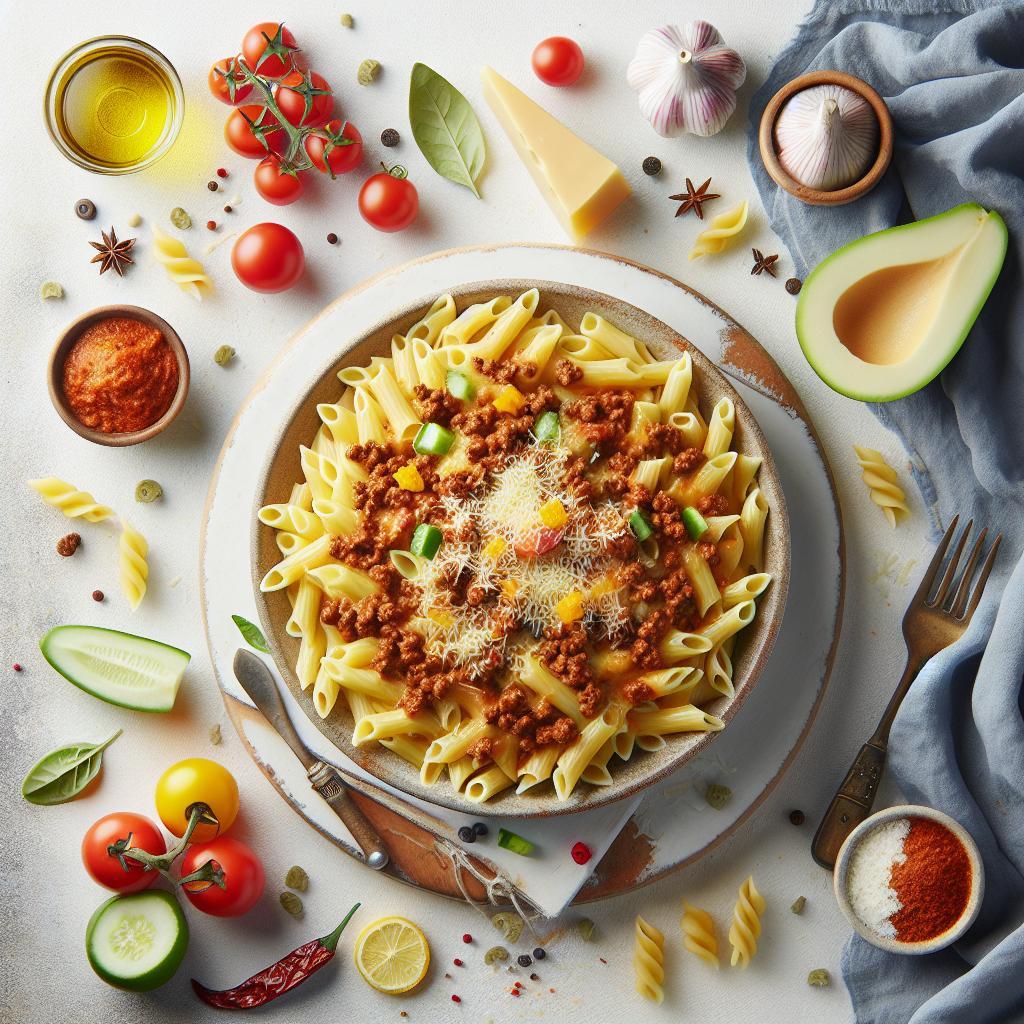

Unlock Comfort: The Ultimate Cheesy Ground Beef Pasta Recipe
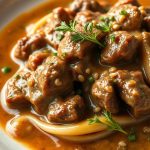
Cheesy pasta delivers that immediate, comforting hit: melty cheese, savory browned beef, and al dente pasta. This recipe shows how to build a glossy, clingy sauce that coats every forkful and keeps dinner simple yet memorable.
- Ready in 45 minutes with pantry-friendly ingredients.
- Feeds 6 with hearty portions and straightforward make-ahead steps.
- Technique focus: brown beef well and use reserved pasta water to finish the sauce.
- Flexible for lean proteins or gluten-free pasta while preserving creaminess.
Cheesy Pasta: Prep and Cook Time
Preparation: 15 minutes. Cook Time: 30 minutes. These windows assume a single large skillet and basic mise en place.
While water heats, chop aromatics and shred cheese for smoother melting. Reserve a cup of hot pasta water; its starch helps the cheesy pasta sauce bind and shine.
Cheesy Pasta: Yield
Servings: 6 generous portions. Portion sizes assume adult appetites plus a side salad or roasted veg.
Scale down by half for smaller groups or double for a crowd. For larger batches, use two skillets or finish in a wide roasting pan to keep the sauce even across the pasta.
Cheesy Pasta: Difficulty Level
Easy to Medium. The recipe relies on basic techniques: proper browning, a simple roux-like step, and careful cheese melting. Those three moves control texture.
Home cooks who can sauté and temper dairy will achieve consistent results. Novices learn transferable skills: controlling heat, using pasta water, and avoiding grainy cheese sauce.
Cheesy Pasta: Ingredients
Use pantry staples and make deliberate choices: fattier ground beef gives more flavor; leaner meat trims calories. Choose a sturdy pasta shape to hold sauce and meat.
Core ingredients: 1 lb ground beef, 12 oz penne (or similar), olive oil, onion, garlic, milk, cream, sharp cheddar, mozzarella, grated Parmesan, flour, smoked paprika, oregano, salt, and pepper. For a primer on penne and tube shapes, see penne.
- 1 lb ground beef (80/20 preferred for juiciness) — background on beef cuts: ground beef.
- 12 oz penne or another sturdy tube/ridged pasta.
- 2 tbsp olive oil.
- 1 medium onion, finely chopped.
- 3 cloves garlic, minced.
- 1 cup whole milk.
- 1 cup heavy cream.
- 1 ½ cups shredded sharp cheddar cheese.
- 1 cup shredded mozzarella cheese.
- ½ cup freshly grated Parmesan cheese — more on cheese selection: cheese.
- 2 tbsp all-purpose flour.
- Salt and freshly ground black pepper, to taste.
- 1 tsp smoked paprika.
- ½ tsp dried oregano.
- Fresh parsley, chopped, for garnish.
Cheesy Pasta: Instructions Overview
Follow the steps in order for the best texture: cook pasta al dente, brown beef well, then build the sauce slowly to prevent separation. The reserved pasta water is a central tool for sauce cohesion.
Shred your own cheese for cleaner melting; pre-shredded blends often contain stabilizers that cause graininess. If the sauce breaks, a splash of cold milk and whisking often restores silkiness.
1. Cook the pasta for cheesy pasta
Bring a large pot of salted water to a rolling boil, then add the pasta. Cook to al dente, typically 1–2 minutes less than package time to preserve bite after saucing.
Reserve 1 cup of pasta water before draining. Starch in the reserved water helps the cheesy pasta sauce cling to noodles and avoids a heavy, gluey finish.
2. Brown the beef and aromatics for cheesy pasta
Heat olive oil over medium-high. Sauté onion until translucent, then add garlic and cook for about a minute until fragrant. Add ground beef and season with salt, pepper, smoked paprika, and oregano.
Break the meat into pieces and let it develop mahogany-colored fond on the pan surface; that browned crust adds savory depth to the cheesy pasta. Drain excess fat if excessive, but keep some for flavor.
3. Build the sauce and finish cheesy pasta
Lower heat to medium. Sprinkle flour over the meat and stir 1–2 minutes to cook the raw flour taste and create a light thickening base. This step mirrors a quick roux — see roux for technique context.
Slowly whisk in milk and cream, simmering until the sauce thickens. Remove the pan from direct heat and fold in shredded cheddar, mozzarella, and Parmesan gradually to avoid separation. If the sauce tightens too much, add pasta water a tablespoon at a time until glossy.
4. Combine pasta and sauce (final cheesy pasta step)
Toss hot pasta into the skillet with the cheesy ground beef sauce so every piece picks up meat and sauce. Mix gently but thoroughly to distribute heat and texture evenly.
Taste and adjust salt and pepper. Garnish with chopped parsley and extra Parmesan. Serve immediately for best melt and texture; the cheesy pasta holds well but becomes denser after refrigeration.
Cheesy Pasta: Tips for Success
Freshly shred cheese for a cleaner melt and better texture. Maintain gentle heat when adding cheese; high heat drives off moisture and leaves an oily, grainy sauce.
When you brown beef, aim for concentrated browning but avoid burning. Deglaze the pan with a small splash of broth or milk to lift fond and incorporate that flavor into the sauce.
For added umami without changing character, stir in a tablespoon of tomato paste while browning or finish with a drizzle of good olive oil. Those small steps push depth without masking the core cheesy pasta profile.
Cheesy Pasta: Serving Suggestions
Serve the cheesy pasta with a crisp green salad dressed with lemon vinaigrette to cut richness. Roasted vegetables add texture contrast and a brightness that balances the dish.
Offer grated Parmesan, crushed red pepper flakes, and chopped parsley at the table. Warm garlic bread or herb focaccia pair well and help scoop up any remaining sauce.
Cheesy Pasta: Nutrition
Per-serving estimates assume six portions and standard ingredient choices. The dish provides a protein-forward profile from ground beef and cheeses along with mid-range calories from pasta and dairy.
Adjust portion sizes or swap to leaner meat and lower-fat dairy to alter calorie and fat totals while preserving the cheesy pasta experience. Substituting plant-based alternatives requires salt and umami adjustments for parity.
Cheesy Pasta: Make-Ahead and Storage
Prepare the pasta a day ahead and store in an airtight container for up to 3 days. Reheat gently on the stovetop with a splash of milk or broth to revive creaminess and texture.
For larger batches, reheat covered in a 325°F oven until warmed through, stirring once. Leftovers freeze acceptably; portion and cool quickly before freezing to minimize quality loss.

Cheesy Pasta: FAQ
Q: Can I use leaner beef or a meat substitute?
Yes. Swap lean ground turkey or a plant-based crumble to lower fat. Expect a slightly drier texture; add extra cream or a splash of olive oil to maintain richness.
When using plant-based meat, boost umami with a teaspoon of soy sauce or a small amount of tomato paste to better mimic beef flavor in cheesy pasta.
Q: What pasta shapes work best for cheesy pasta?
Sturdy shapes like penne, rigatoni, and rotini capture sauce and meat in their tubes and ridges. Thin pastas like angel hair will get overwhelmed by chunky beef, so choose medium to large shapes for balance.
For guidance on pasta varieties and shapes, consult the pasta overview: pasta.
Q: How do I keep the cheese sauce smooth?
Grate cheeses fresh and fold them in off heat to avoid protein tightening and oil separation. Use a small proportion of cream or milk to bind melted cheese into a glossy sauce.
If the sauce breaks, whisk in a tablespoon of cold milk and add reserved pasta water to re-emulsify the sauce into a silky cheesy pasta finish.
Q: Is this recipe adaptable for gluten-free diets?
Yes. Use gluten-free pasta made from rice, corn, or legumes and confirm thickeners like flour are labeled gluten-free. The technique for cheesy pasta remains the same.
Note that gluten-free shapes can absorb more sauce; reserve extra pasta water and monitor cooking times closely to preserve texture.
Q: Can I add vegetables without changing the core flavors?
Absolutely. Add mushrooms, bell peppers, or spinach during the sauté stage to integrate vegetables into the sauce. Cook them until tender before adding the beef, or fold wilted greens in at the end.
Vegetables add moisture; slightly reduce milk or cream if you want to maintain the same sauce thickness for your cheesy pasta.
See also: Cheesy Pasta and Related Ground Beef Recipes for more variations and techniques.
Recommended Reading:
- 7 Pro Tips for the Ultimate Hearty Chicken Casserole
- Savor Every Bite: 7 Expert Garlic Butter Steak Bites Tips
- Master 7 Pro Techniques for Mushroom Risotto