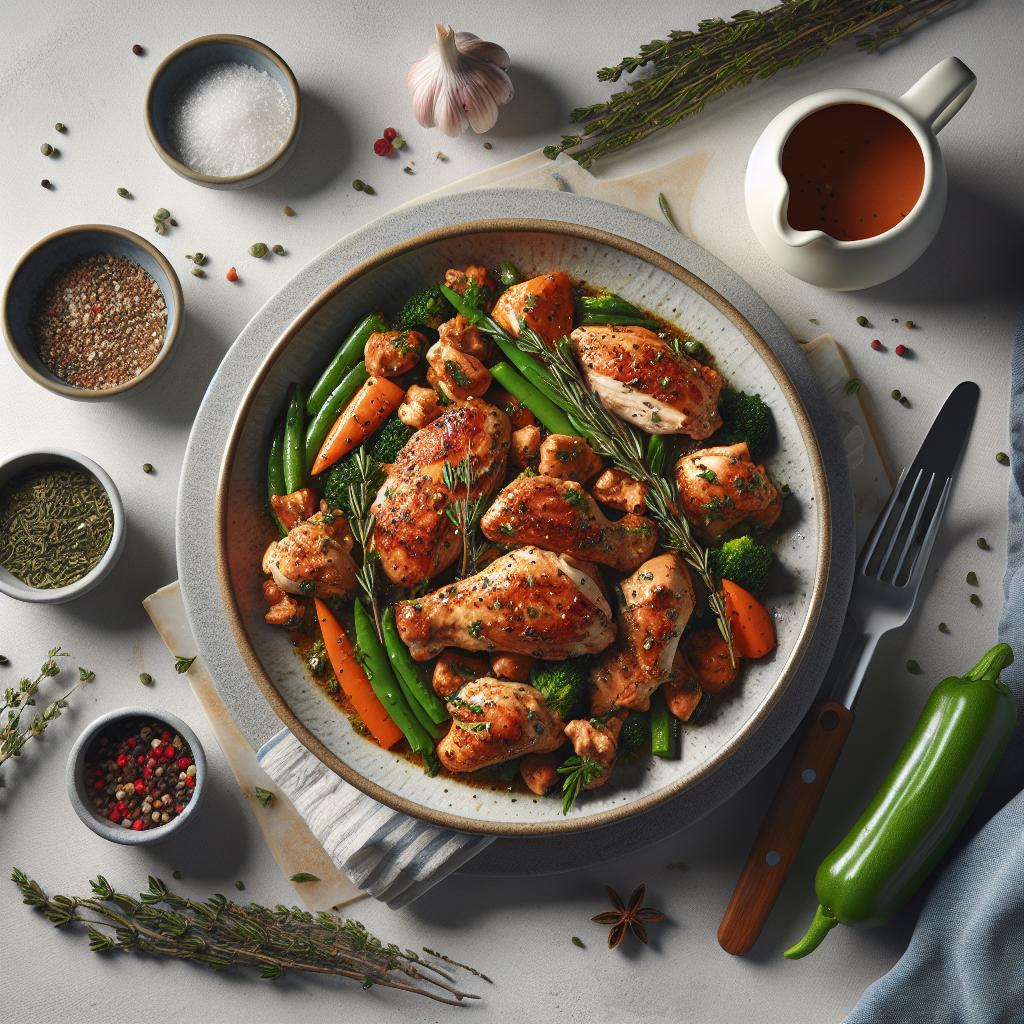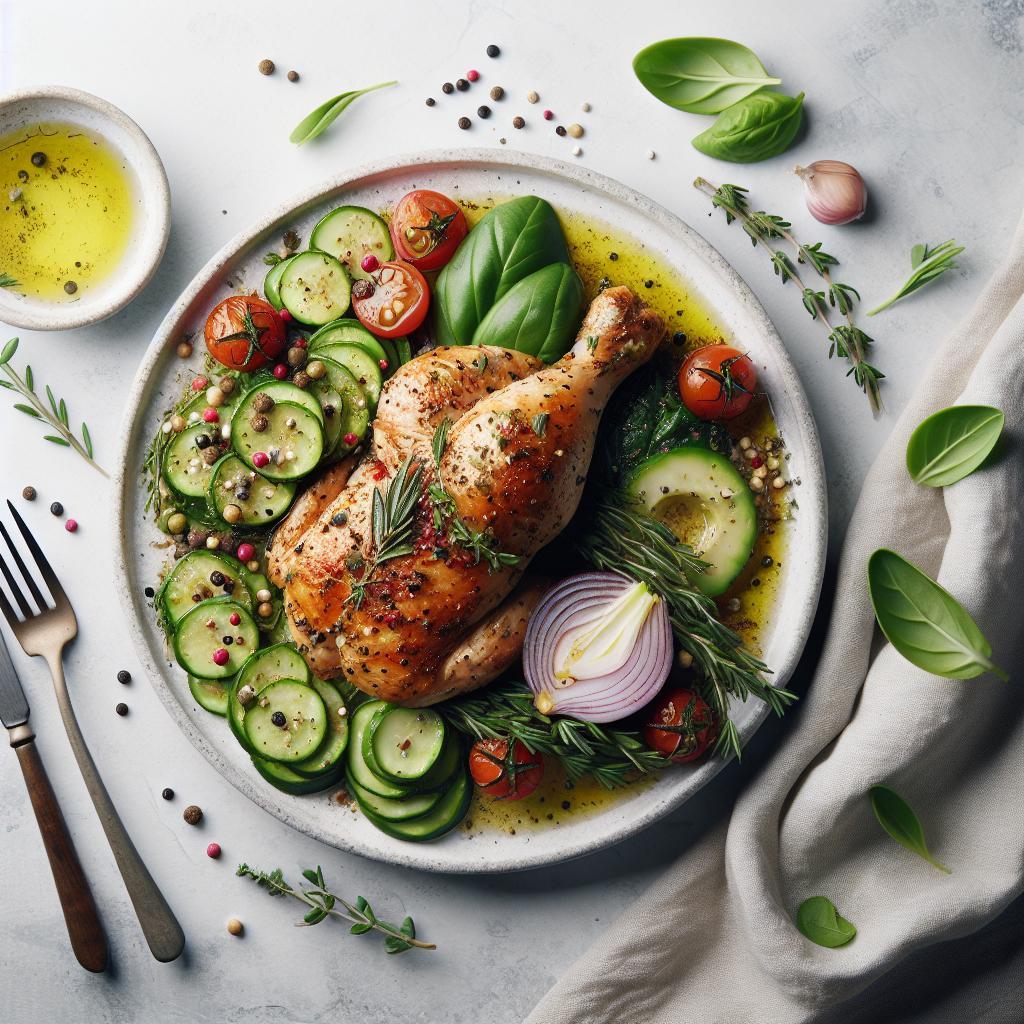

In the vast world of culinary delights, few ingredients possess the enchanting power to transform a simple dish into a symphony of taste quite like chicken herb. These fragrant botanicals-ranging from rosemary’s piney notes to thyme’s subtle earthiness-unlock layers of flavor that elevate everyday chicken recipes into memorable feasts. Whether roasted, grilled, or simmered, the magic of chicken herbs lies not just in seasoning, but in weaving complexity, freshness, and warmth into every bite. Join us as we delve into the art and science behind these flavorful allies, revealing how to harness their aromatic charm and bring your cooking to life like never before.
Discovering the Essence of Chicken Herb: Aromatics That Transform Your Cooking
Unlocking Flavor: The Magic of Chicken Herb in Cooking opens a gateway to aromatic bliss, where fresh and dried herb nuances elevate even the simplest dishes. This herb, cherished for its bright, piney undertones with subtle hints of lemon and sage, infuses recipes with a captivating complexity that invites both novice cooks and seasoned chefs to explore its culinary potential.
Originating from Mediterranean gardens, chicken herb is often overlooked but stands as a brilliant staple in herb blends. Its unique profile complements a variety of proteins and vegetables, allowing a versatile, savory charm that enhances flavor depth. Whether working with fresh sprigs snipped directly from your windowsill garden or dried leaves stored for a cozy winter dish, chicken herb’s magic is undeniable.
Prep and Cook Time
- Preparation: 10 minutes
- Cooking: 25 minutes
- Total: 35 minutes
Yield
Serves 4 – perfect for a cozy family dinner or a small gathering of friends.
Difficulty Level
Easy – ideal for home cooks eager to add fresh herb brilliance without fuss.
Ingredients
- 1 lb boneless, skinless chicken breasts, thinly sliced
- 2 tbsp fresh chicken herb, finely chopped (or 1 tbsp dried chicken herb)
- 1 tbsp olive oil
- 3 garlic cloves, minced
- 1 medium lemon, zested and juiced
- 1/2 cup low-sodium chicken broth
- 1 cup baby carrots, sliced diagonally
- 1 cup asparagus tips, trimmed
- Salt and freshly ground black pepper, to taste
- Fresh parsley, for garnish
Instructions
- Prepare the chicken: Pat the chicken breasts dry and season lightly with salt, pepper, and half the chicken herb. This initial seasoning awakens the flavors before cooking.
- Heat olive oil in a large sauté pan over medium-high heat. Add the chicken breasts and cook for about 4-5 minutes on each side, until golden brown but not fully cooked through. Remove chicken and set aside.
- Sauté garlic: In the same pan, add minced garlic and fresh carrots, stirring frequently. Cook until the garlic is fragrant and the carrots begin to soften, about 3 minutes.
- Deglaze with broth: Pour in the chicken broth and lemon juice to release those caramelized bits from the pan base, infusing the sauce with bright acidity and richness.
- Return chicken to pan: Nestle the chicken back into the simmering broth. Add asparagus tips and remaining chicken herb.
- Simmer gently: Cover and cook for an additional 6-8 minutes, or until the chicken is thoroughly cooked (internal temperature of 165°F/75°C) and vegetables are tender-crisp.
- Finish: Remove the lid, increase heat slightly to reduce the sauce for 2 minutes for a glossy finish. Adjust seasoning with salt and pepper.
- Plate and garnish: Transfer to serving plates and sprinkle with fresh parsley and lemon zest for an inviting, aromatic presentation that pops with freshness.
Tips for Success: Elevate Your Chicken Herb Experience
- Use fresh chicken herb when possible for a vibrantly herby taste; dried works well but is more concentrated-reduce the amount by half to avoid bitterness.
- Patting dry the chicken before searing helps achieve a golden crust, essential for layering flavors.
- Don’t skip deglazing-this step unlocks caramelized fond, creating a luscious sauce that clings beautifully to the chicken and vegetables.
- Store extra fresh chicken herb in a damp paper towel inside a resealable bag in the fridge to keep it fresh for up to a week. For long-term, freeze chopped herb in ice cube trays with a splash of olive oil.
- To substitute, fresh rosemary or thyme may work in a pinch, but the signature lemon-pine character of chicken herb is uniquely irreplaceable.
Serving Suggestions
Pair this dish with creamy mashed potatoes or fluffy couscous to soak up the delicate herb-infused sauce. For a vibrant, crunchy contrast, add a simple side salad tossed with olive oil, lemon, and cracked pepper. For garnish, a few whole sprigs of chicken herb alongside lemon wedges add stunning visual appeal and invite guests to deepen the herbaceous experience.
| Nutrient | Per Serving |
|---|---|
| Calories | 320 kcal |
| Protein | 35 g |
| Carbohydrates | 8 g |
| Fat | 14 g |
Enhance your culinary journey further by exploring [this guide on pairing herbs with proteins](https://www.foodnetwork.com/recipes/packages/ingredients/how-to-cook-with-herbs), and deepen your herb-gardening know-how from trusted sources such as The Royal Horticultural Society.

Q&A
Q: What makes chicken herb such a game-changer in cooking?
A: Chicken herb is like a secret key that unlocks the fullest, most vibrant flavors in your dishes. Its unique blend of earthy, aromatic, and sometimes citrusy notes enhances the natural sweetness of chicken and other proteins, making every bite a memorable experience.
Q: Which herbs are typically included in a classic chicken herb blend?
A: Classic chicken herb blends often feature rosemary, thyme, sage, and parsley. These herbs work together to create a layered flavor profile-rosemary adds piney freshness, thyme offers subtle floral hints, sage lends a warm earthiness, and parsley brings a clean, bright finish.
Q: How does using fresh versus dried chicken herbs affect the flavor outcome?
A: Fresh herbs give your dish a vibrant, lively aroma and a burst of flavor that can brighten up any recipe. Dried herbs, meanwhile, are more concentrated and robust, delivering a deeper, sometimes more intense taste. Combining both-fresh for garnish and dried in cooking-can create a beautifully balanced flavor.
Q: What cooking methods best showcase the magic of chicken herb?
A: Roasting, grilling, and pan-searing are ideal for highlighting chicken herb’s magic. These methods allow the herbs to infuse into the meat’s surface, creating a fragrant crust that locks in moisture and flavor. Slow cooking with chicken herb can also deepen the taste, making it rich and comforting.
Q: Can chicken herb be used with vegetables, and if so, which ones?
A: Absolutely! Chicken herb elevates roasted root vegetables, sautéed greens, and even creamy potatoes. Vegetables like carrots, parsnips, zucchini, and mushrooms carry the herbaceous notes beautifully, creating a harmonious flavor dance on your plate.
Q: How can I create my own signature chicken herb blend at home?
A: Start with the classic base of rosemary, thyme, sage, and parsley. Experiment by adding garlic powder, lemon zest, or a touch of marjoram to craft a blend that suits your taste. Toasting dried herbs briefly before grinding can also unleash deeper aromas for your custom mix.
Q: Why does chicken herb pair so well with citrus elements like lemon or orange?
A: The bright acidity and zest from citrus fruits complement the earthy and savory tones of chicken herb, creating a lively contrast that refreshes the palate. This combination adds a sunny, vibrant touch that enlivens classic recipes.
Q: What are some creative ways to use chicken herb beyond seasoning chicken?
A: Think outside the skillet-sprinkle chicken herb into homemade salad dressings, mix it into compound butters, or stir it into creamy dips. It also works wonders in savory baked goods, like herb-infused breads or scones, lending a subtle yet enticing flavor.
Q: How does chicken herb influence the health benefits of a meal?
A: Beyond flavor, many herbs in chicken herb blends carry antioxidants and anti-inflammatory compounds. This not only boosts the nutritional profile of your meal but also supports digestion and overall wellness, making every dish both delicious and wholesome.
Q: What beginner tips can help someone master cooking with chicken herb?
A: Start simple-use small amounts and taste as you go. Remember that herbs can intensify as they cook, so adding some fresh herbs at the end enhances freshness. Experiment with different combinations and cooking techniques to find your favorite harmony of flavors.
Wrapping Up
As you embark on your culinary adventures, remember that the humble chicken herb is more than just a garnish-it’s a key that unlocks a world of aromatic possibilities. By weaving its fragrant notes into your dishes, you transform simple meals into memorable feasts, where every bite tells a story of nature’s bounty. So next time you reach for your spices, let the magic of chicken herb inspire you to cook with curiosity, creativity, and a touch of herbal enchantment. Your palate-and your guests-will thank you.