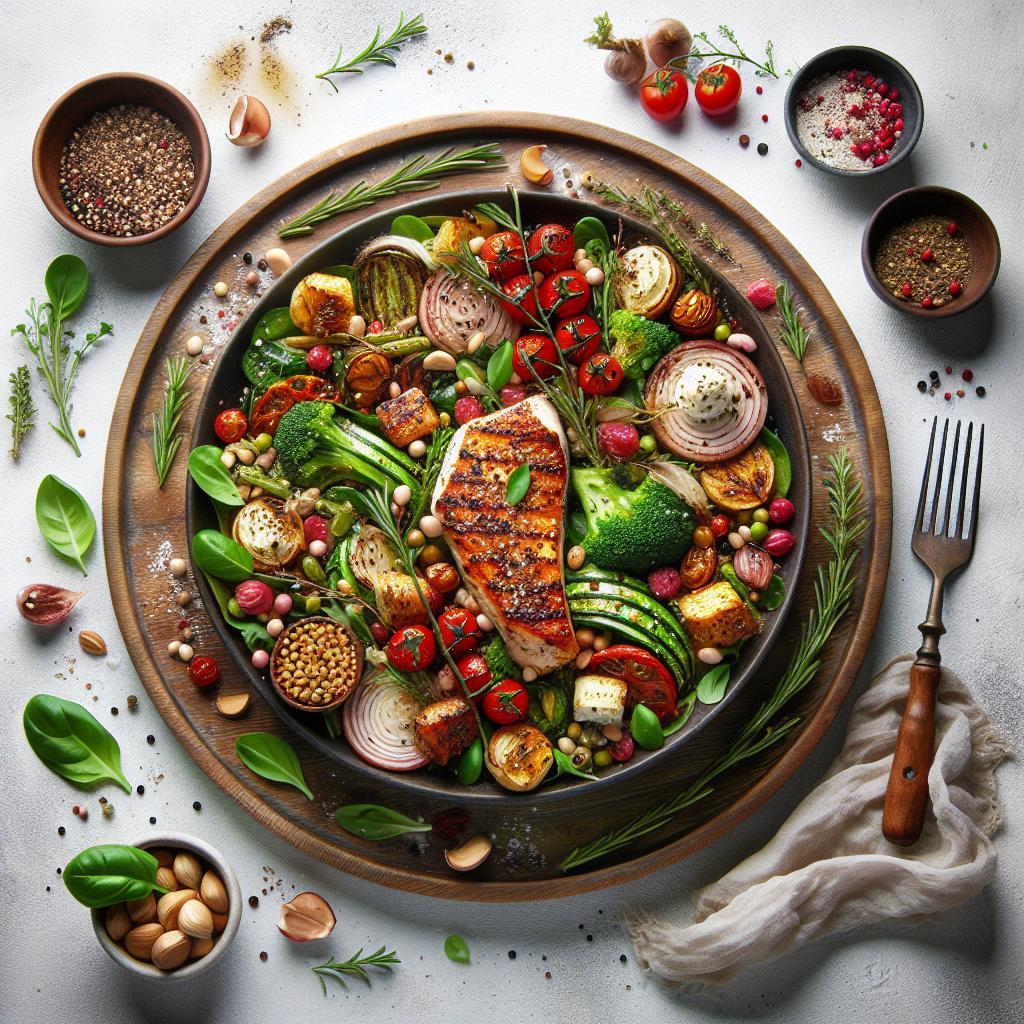

In the heart of every memorable Italian dish lies a simple, powerful truth: fresh herbs drive flavor. The fragrant quartet of basil, oregano, rosemary and thyme form the backbone of classic Italian cooking and give sauces, marinades and roasts a distinctive profile.
- Herb timing matters: add hardy herbs early and delicate leaves late.
- Fresh over dried: when possible, use fresh herbs for brightness; use dried sparingly.
- Layer flavors: crush, bloom in oil, then finish with fresh chiffonade for depth and lift.
Prep and Cook Time
These timings assume fresh ingredients and a medium-sized saucepan. Prep stays tight when herbs are prepped and aromatics are ready.
Preparation: 15 minutes. Marination time: 30 minutes (optional). Cooking time: 20 minutes. Total time: approximately 1 hour with marination.
Yield
This herb-forward sauce serves four as a main or six as a side, depending on portion size. It scales linearly; double ingredients for larger batches and increase simmer time by 5–10 minutes for cohesion.
Store batches in airtight containers to preserve quality and reuse as a sauce base or marinade. Reheating gently preserves volatile herb aromatics and prevents bitterness.
Difficulty Level
Medium: the technique focuses on herb layering and timing rather than advanced knife work. Home cooks gain the most by focusing on ingredient quality and controlled heat.
Key skills include chopping herbs without bruising, gently sweating aromatics, and tasting for acid-salt balance. These practices yield professional-level results without demanding equipment.
Ingredients
Assemble ingredients before you start to streamline workflow and protect herb freshness. Use high-quality extra virgin olive oil for correct flavor transfer.
- 2 tablespoons fresh basil, finely chopped
- 1 tablespoon fresh oregano, chopped
- 1 tablespoon fresh rosemary, finely minced
- 1 teaspoon fresh thyme leaves, stripped from stems
- 3 tablespoons extra virgin olive oil
- 4 cloves garlic, minced
- 1 large shallot, finely diced
- 2 cups crushed tomatoes (San Marzano-style if available)
- 1 teaspoon fine sea salt
- ½ teaspoon freshly ground black pepper
- 1 tablespoon balsamic vinegar (optional for acidity balance)
Instructions
Work methodically: prepare herbs, sweat aromatics, build the sauce, then finish with fresh herbs. This sequence ensures each herb expresses its optimal character.
Taste at each stage and adjust. The goal is harmony between sweetness, acidity, salt and herb-borne aromatics rather than dominance by any single element.
1. Prepare the herb blend
Combine basil, oregano, rosemary and thyme in a small bowl and lightly crush to release essential oils. Crushing gently awakens volatile compounds without turning herbs into a paste.
Reserve a small amount of fresh basil to finish the sauce at the end; this preserves bright top-note aromatics. Reserve chopped rosemary separately if you prefer infusing rather than biting into leaves.
2. Sauté aromatics and bloom flavors
Heat olive oil over medium heat in a saucepan, then add minced garlic and diced shallot. Sweat gently until translucent and fragrant—about 3 to 4 minutes—stirring to avoid browning.
Browned garlic creates bitterness; keep the temperature controlled so aromatics soften and release sweetness into the oil. This oil becomes the flavor courier for the tomatoes.
3. Build and simmer the sauce
Stir in crushed tomatoes, salt and black pepper and bring to a gentle simmer. Maintain low heat so the sauce thickens slightly over about 10 minutes while flavors concentrate.
For a rounder profile, add a pinch of sugar if tomatoes taste bright but sharp. If using balsamic, add it during this stage to marry acid and sweetness.
4. Add herbs and finish
Stir the prepared herb blend into the simmering sauce and cook for an additional 4–6 minutes so flavors meld without losing fresh notes. Add reserved basil at the very end, off heat, to preserve aromatics.
Adjust seasoning: a little more salt, black pepper or an extra drizzle of olive oil can lift the final dish. Use immediately over pasta, roasted vegetables, or as a marinade base.
Chef’s Notes: Practical Tips for Success
Use fresh herbs when possible; they give volatile oils that dried herbs cannot fully replicate. When substituting dried herbs, reduce the volume—dried herbs concentrate flavor roughly 3:1.
Layer herbs by durability: add rosemary and thyme early, oregano mid-cook, and basil at the finish. This method produces both backbone and brightness in the same sauce.
Avoid over-simmering a fresh-herb sauce; volatile aromatics will diminish under prolonged heat. If freezing, undercook slightly so reheating restores the intended profile.
Serving Suggestions
This herb-infused sauce pairs well with al dente spaghetti, creamy polenta, or grilled vegetables. Finish plated dishes with a drizzle of quality olive oil and a single fresh basil leaf to signal flavor intent.
Use the sauce as a marinade for chicken or eggplant: allow a 30-minute rest at room temperature before grilling to deepen the herb penetration. Toasted pine nuts or shaved hard cheese add useful textural contrast.
Nutritional Snapshot
Per serving, this sauce provides modest calories and a balance of carbohydrates and healthy fats from olive oil. Herbs add negligible calories but contribute micronutrients and phytochemicals.
| Nutritional Element | Amount per Serving |
|---|---|
| Calories | 120 kcal |
| Protein | 2 g |
| Carbohydrates | 10 g |
| Fat | 8 g |
Q&A
These concise answers focus on practical application rather than theory. Use them as quick reference when planning herb use in recipes.
The following clarifies common questions cooks ask when they want authentic Italian herb flavor without guesswork.
What makes Italian herbs essential to authentic flavor?
They provide layered aromatic and taste components: basil offers sweetness, oregano gives savory depth, rosemary adds resinous notes, and thyme supplies subtle earthiness. This combination creates a balanced profile that compensates for simple bases like tomato or olive oil.
Which herbs foundation should beginners prioritize?
Start with basil and oregano. Basil lifts fresh tomato dishes and salad-style preparations, while oregano brings structure to cooked sauces and grilled proteins. Mastering these two covers many everyday applications.
How should I use dried versus fresh herbs?
Use dried herbs during cooking to allow slow flavor release, and add fresh herbs at the end for aroma. Convert quantities by using roughly one-third the volume of dried herbs compared with fresh.
Can I mix Italian herbs with nontraditional ingredients?
Yes. Rosemary pairs well with roasted root vegetables, oregano complements spiced legumes, and basil can soften spicy chili notes. Use small trials when blending cuisines to maintain balance.
Final Thoughts
Italian herbs are an accessible tool to transform everyday cooking into something memorable. With simple techniques—proper timing, gentle heat and fresh finishing—you create layered, vibrant dishes that read as intentional and refined.
Grow a small windowsill herb kit to have fresh leaves on demand; the immediate access will encourage experimentation and improve consistency. Explore authoritative resources on plant varieties and regional usage for deeper mastery, such as entries on Italian cuisine and individual herb articles linked above.
FAQ
Short, schema-ready questions below give clear, searchable answers for common queries.
How long do fresh Italian herbs last stored in the fridge?
Store herbs wrapped in a slightly damp paper towel inside an airtight container; most fresh herbs last 4–7 days using this method. Tender herbs like basil may brown faster and prefer room-temperature storage in water.
Can I substitute dried herbs directly for fresh in this sauce?
Yes; use about one-third the volume of dried herbs compared to fresh and add them earlier in cooking to bloom their flavors. Taste and adjust at the end.
Are these herbs regional to certain parts of Italy?
Many herbs have Mediterranean origins and vary by regional cuisine—basil features heavily in southern dishes, while rosemary is common in central and northern roast preparations. For historical context, see basil and rosemary pages.
What’s the best way to preserve herb flavor long-term?
Freeze finely chopped herbs in oil or make an herb paste and freeze in ice cube trays; this preserves volatile compounds better than drying. Alternatively, freeze whole leaves on a tray and transfer to a sealed bag.
Where can I read more about the culinary uses of these herbs?
Comprehensive, neutral overviews live on Wikipedia entries for basil, oregano, thyme and regional articles like Italian cuisine. These entries link to botanical, culinary and historic usage notes useful for deeper study.
See also: Italian herbs