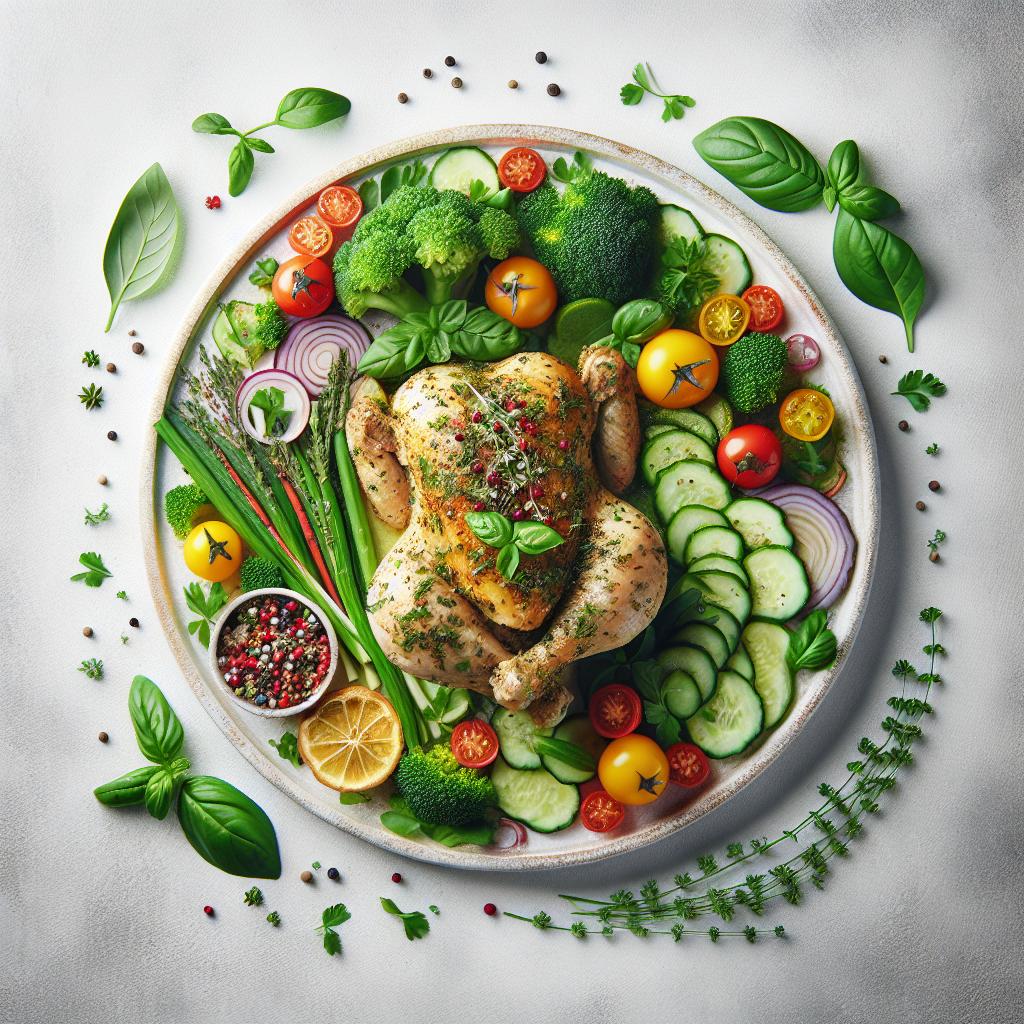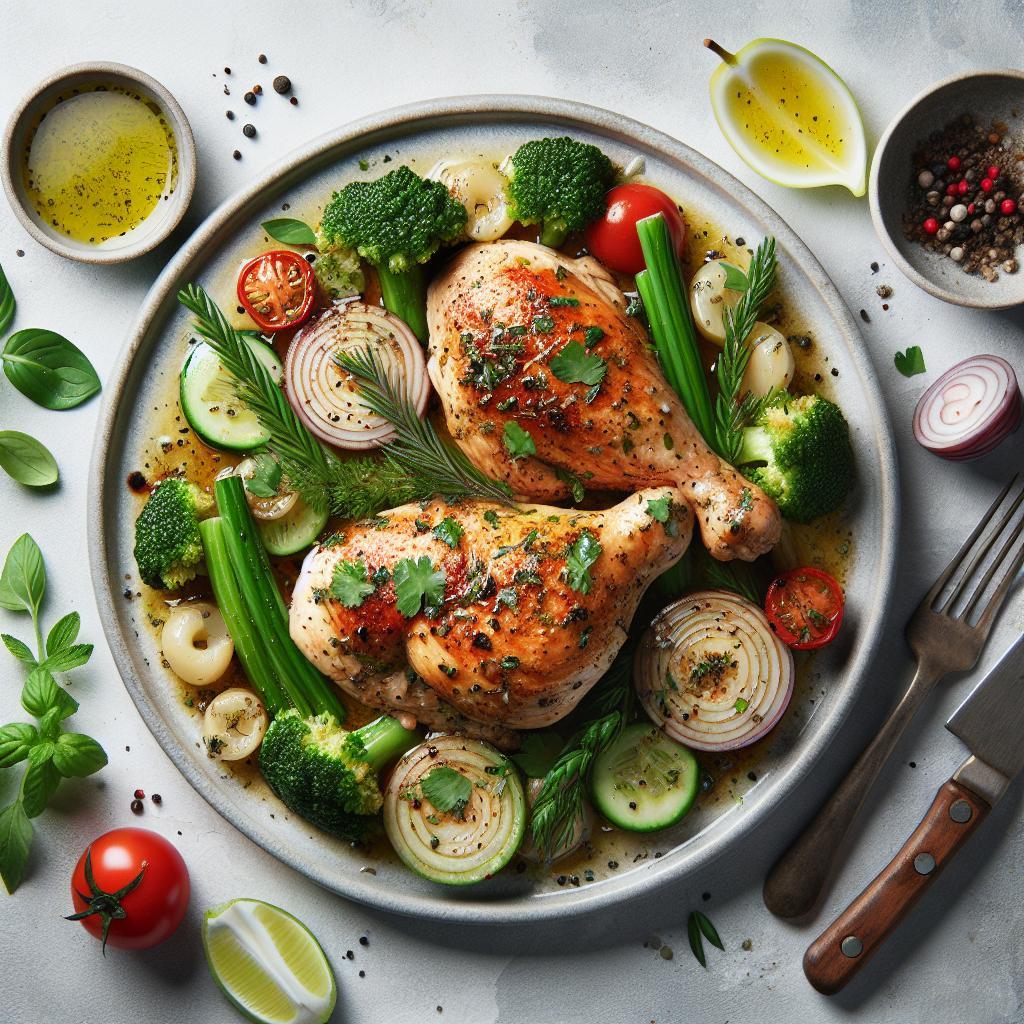

In the world of culinary delights, few combinations spark the senses quite like the marriage of tender chicken and fragrant herbs. “Unlocking the Flavor: The Magic of Chicken Herb Explained” invites you on a flavorful journey to discover how simple leaves and sprigs transform everyday poultry into a symphony of taste. From the subtle earthiness of thyme to the vibrant punch of rosemary, this exploration unravels the secrets behind herb-infused chicken dishes that have enchanted kitchens and hearts alike. Prepare to awaken your palate and elevate your cooking as we dive into the art and science of herbaceous harmony.
Unlocking the Flavor: The Magic of Chicken Herb Explained
Unlocking the Flavor: The Magic of Chicken Herb Explained begins with understanding how the thoughtful selection and infusion of fresh herbs can transform a simple chicken dish into a vibrant culinary masterpiece. Each herb carries its own aromatic story that, when balanced correctly, elevates every bite-inviting you on a sensory journey that celebrates freshness, warmth, and depth.
Prep and Cook Time
- Preparation: 15 minutes
- Cooking: 30 minutes
- Total Time: 45 minutes
Yield
Serves 4 generously.
Difficulty Level
Easy to Medium – perfect for both home cooks and seasoned foodies looking for elevated weekday dinners.
Ingredients
- 4 boneless, skinless chicken breasts, pounded to even thickness
- 2 tablespoons extra virgin olive oil
- 3 cloves garlic, minced
- 1 teaspoon sea salt
- ½ teaspoon freshly ground black pepper
- 2 tablespoons fresh rosemary, finely chopped
- 1 tablespoon fresh thyme, leaves only
- 1 tablespoon fresh oregano, finely chopped
- 1 tablespoon fresh parsley, chopped (for garnish)
- 1 teaspoon lemon zest
- Juice of 1 lemon
- ¼ cup low-sodium chicken broth
Instructions
- Prepare the Herb Blend: In a small bowl, combine the rosemary, thyme, oregano, garlic, salt, pepper, and lemon zest. Mixing these fresh herbs creates an aromatic foundation that will infuse the chicken with balanced earthy, floral, and citrus notes.
- Marinate the Chicken: Rub the herb mixture evenly over all sides of each chicken breast. Drizzle with 1 tablespoon olive oil and the lemon juice. Allow to marinate for at least 15 minutes at room temperature, or cover and refrigerate for up to 2 hours to deepen the infusion.
- Heat the Pan: Warm the remaining 1 tablespoon olive oil in a large skillet over medium heat until shimmering but not smoking.
- Sear the Chicken: Place the chicken breasts gently into the pan. Sauté until golden brown, about 5 minutes per side, turning carefully to avoid tearing the herb crust. The beautiful sear locks in juices and caramelizes the herbs slightly for an irresistible aroma.
- Deglaze and Simmer: Remove chicken breasts temporarily. Pour the chicken broth into the pan to deglaze, scraping up any browned bits with a wooden spoon. Return the breasts to the pan, cover, and simmer gently on low heat for 8-10 minutes until the internal temperature reaches 165°F (75°C).
- Rest and Garnish: Transfer the chicken to a platter and let rest for 5 minutes to allow juices to redistribute. Sprinkle with freshly chopped parsley for a bright, fresh finish.
Tips for Success
- For maximum herb flavor, avoid drying out the chicken by monitoring cooking time closely and using a meat thermometer.
- Substitute fresh basil or tarragon if you want a twist-basil adds a sweet, peppery note, while tarragon lends a subtle anise aroma.
- Enhance the marinade with a tablespoon of high-quality Dijon mustard to add gentle tanginess and help the herbs adhere better.
- Make this dish ahead by marinating overnight; simply bring the chicken to room temperature before cooking to ensure even doneness.
- Use a cast-iron skillet for superior heat retention and an even sear that emphasizes the herb crust.
Serving Suggestions
This herb-infused chicken pairs beautifully with a side of roasted baby potatoes tossed with garlic and rosemary or a crisp arugula salad dressed in lemon vinaigrette. Garnish generously with fresh parsley and a wedge of lemon to brighten each plate. For a vibrant presentation, scatter edible flowers or microgreens atop to celebrate the garden-fresh essence of the herbs.
| Nutrient | Per Serving |
|---|---|
| Calories | 270 |
| Protein | 38g |
| Carbohydrates | 2g |
| Fat | 9g |
Discover how perfectly selected herbs can unlock a spectrum of flavor in chicken dishes by visiting Serious Eats: The Science of Herbs in Cooking. For more inspiring poultry recipes with fresh herbs, explore our Chicken Herb Recipes Collection.

Q&A
Q: What makes herbs so magical when it comes to chicken dishes?
A: Herbs are like nature’s flavor wizards. They transform simple chicken into a fragrant, savory masterpiece by infusing it with aromatic oils and subtle nuances that awaken your taste buds. Each herb contributes unique notes-some brighten with freshness, others deepen with earthiness-creating a layered, unforgettable flavor experience.
Q: Which herbs are essential for creating that perfect chicken herb blend?
A: The classic lineup includes rosemary, thyme, sage, and parsley. Rosemary adds a piney, resinous kick; thyme brings a gentle, minty earthiness; sage offers warm, slightly peppery complexity; and parsley serves as the fresh, vibrant balance. Together, they create a harmony that complements chicken beautifully.
Q: How do fresh herbs differ from dried ones in flavor impact?
A: Fresh herbs burst with bright, lively oils that deliver immediate freshness and zing, perfect for finishing dishes or marinating. Dried herbs, on the other hand, have more concentrated and mellowed flavors due to dehydration-ideal for slow cooking or seasoning early on. Using both strategically can maximize flavor depth.
Q: What’s the secret to unlocking the fullest herb flavor when cooking chicken?
A: Timing and technique are key. Gently crushing or chopping herbs releases their essential oils; rubbing them directly onto chicken and allowing time to marinate helps the flavors penetrate. Cooking with herbs at medium heat preserves their delicate aromas, while finishing with fresh sprigs adds a vibrant last touch.
Q: Can herbs also enhance the juiciness and texture of chicken?
A: Absolutely! By creating flavor-infused marinades or herb butters, herbs help to tenderize the meat and lock in moisture. The subtle acids and oils within some herbs break down proteins just enough to yield a succulent bite without overpowering the natural chicken essence.
Q: Are there any creative ways to use herbs beyond just seasoning chicken?
A: Definitely. Herbs can be blended into compound butters, stirred into sauces, or even infused into cooking oils to impart their magic subtly. They also work wonders when added to roasting vegetables served alongside chicken, creating a cohesive flavor symphony on your plate.
Q: Why is understanding herb profiles important for pairing them with chicken?
A: Each herb brings a distinct personality-some are bright and citrusy, others warm and resinous. Knowing these profiles helps you craft balanced dishes where the herb lifts the chicken’s mild flavor without masking it. This thoughtful pairing is what elevates a simple meal into a gourmet experience.
Q: Can herb combinations vary depending on the cooking method used for chicken?
A: Yes! Grilling calls for robust herbs like rosemary and thyme that can stand up to high heat and smoke. Slow roasting benefits from hearty sages and bay leaves that release flavor gradually. Pan-searing works well with quick-fry herbs like basil and oregano added at the end to preserve their freshness.
Q: How do cultural preferences influence the use of herbs with chicken?
A: Herbs reflect regional flavors and traditions-Mediterranean dishes lean on oregano and thyme, while Southeast Asian recipes might include lemongrass and cilantro. These cultural palettes highlight the versatility of herbs, showing how the same chicken can tell many delicious stories simply through different herb choices.
Q: What is the best way to store herbs to keep their magic alive for chicken dishes?
A: Fresh herbs should be stored like fresh flowers-in a glass of water in the fridge with a loose cover-or wrapped in damp paper towels inside a plastic bag. Dried herbs need a cool, dark pantry in airtight containers. Proper storage maintains their aromatic oils, preserving that enchanting herb flavor every time.
Wrapping Up
As we close the chapter on the enchanting world of chicken herbs, it’s clear that these fragrant allies do far more than simply season-they transform. From the subtle whispers of thyme to the bold dance of rosemary, each herb unlocks a unique flavor story that turns ordinary chicken into a culinary masterpiece. Embracing the magic of herbs not only elevates your dishes but also connects you to a timeless tradition of savoring nature’s aromatic gifts. So next time you cook chicken, remember: the secret isn’t just in the technique-it’s in the herb, unlocking a world of taste that awaits your discovery.