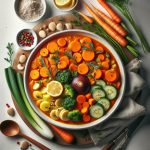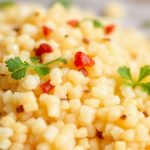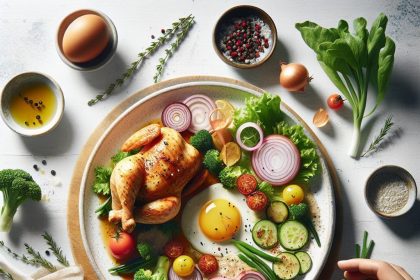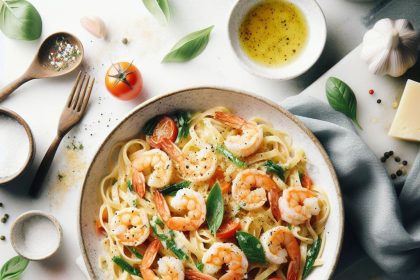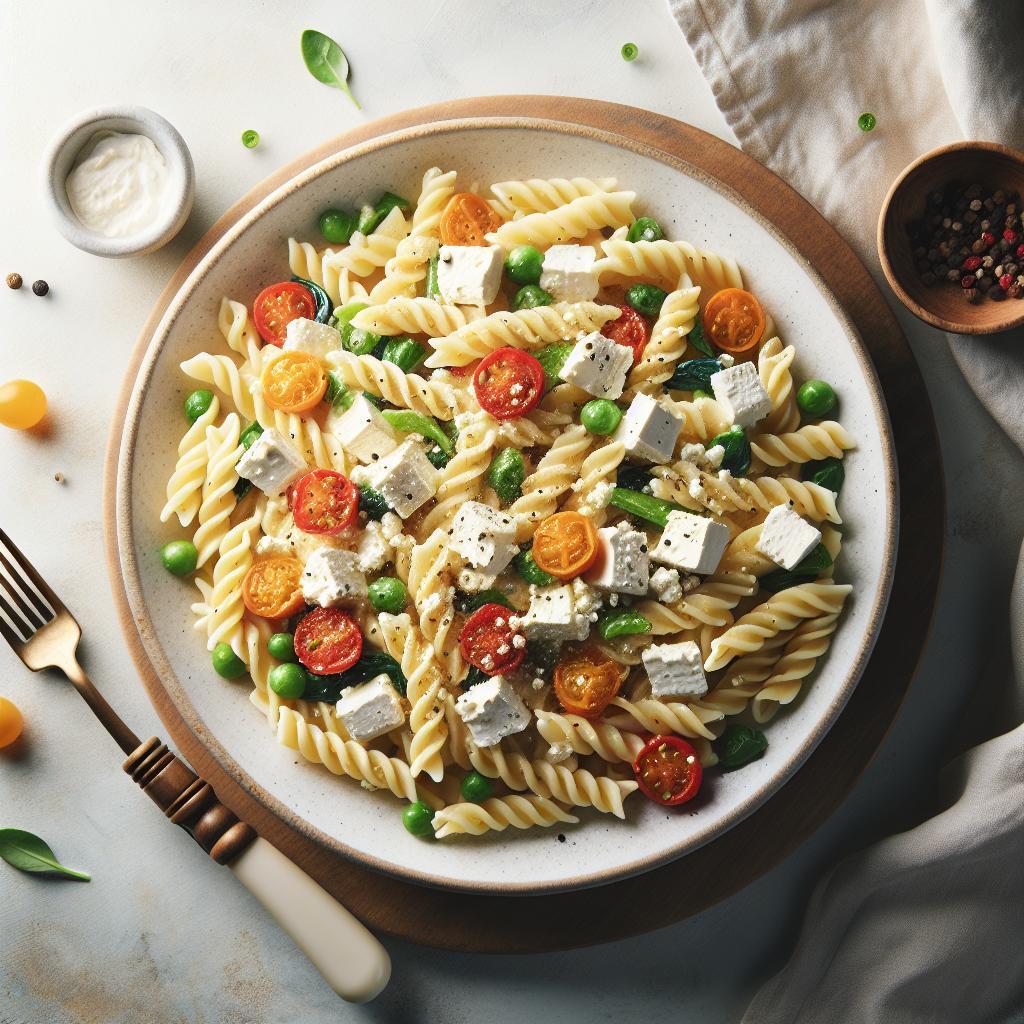

Creamy feta pasta delivers bright, tangy flavor and a silky mouthfeel using simple Mediterranean ingredients. This recipe balances roasted cherry tomatoes, melted block feta, olive oil, and hot pasta water to make a sauce that clings to every strand.
- Quick build: Ready in about 30 minutes for weeknight cooking.
- Texture trick: Use reserved pasta water to emulsify the feta into a glossy sauce.
- Flavor balance: Roast tomatoes to add sweetness that offsets feta’s tang.
- Flexibility: Simple swaps let you make dairy-free or protein-forward versions.
Prep and Cook Time
Preparation: 10 minutes. Measure ingredients, halve the cherry tomatoes, and crumble the block feta to speed the cook stage.
Cooking: 20 minutes. Roast tomatoes and melt the feta while the pasta cooks, then combine everything for a total of ~30 minutes from start to finish.
Yield
This recipe yields 4 generous portions, ideal for family dinners or sharing with guests. You can scale ingredients in linear proportions for larger groups without changing technique.
Leftovers store well for next-day lunch when reheated gently with a splash of water to revive the sauce. Avoid overheating to keep the feta from separating.
Difficulty Level
Marked Easy, this recipe fits cooks of all skill levels. Timing and moderate oven heat matter more than advanced technique.
With short active steps and predictable results, you can confidently prepare this dish for a weeknight meal or casual entertaining. Clean-up stays minimal when you roast and finish in the same pan.
Ingredients
Use fresh, high-quality components for the cleanest flavor. Key items include a block of feta and ripe cherry tomatoes; see the sub-sections below for choices and substitutes.
I link common terms to reference material for technique and ingredient background: feta cheese, pasta, extra virgin olive oil, and tomato.
Cheese & Dairy
8 oz block feta, crumbled. Choose a good-quality block rather than pre-crumbled for a smoother melt and better texture. Block feta softens and emulsifies more predictably when gently heated with pasta water.
For dairy-free eaters, use a cultured nut-based feta alternative and a neutral plant milk or light olive-oil emulsion to help mimic creaminess. Adjust acidity with lemon if the substitute lacks tang.
Pasta, Tomatoes & Oils
12 oz penne or rigatoni works best because tube shapes trap sauce and tomato bits. However, any shape that holds sauce—fusilli, shells, or spaghetti—will function well.
2 cups cherry tomatoes, halved, and 1/4 cup extra virgin olive oil build the roasted tomato base. Roasting concentrates sweetness and delivers depth that offsets feta’s saltiness.
Instructions
Follow a simple sequence: cook pasta, roast tomatoes, melt feta, then combine. Each step takes a short, focused burst of attention and yields consistent results.
Keep a measuring spoon and a small cup of reserved pasta water ready; that water is the emulsifier that turns crumbled cheese into a silkier sauce.
Step-by-step
- Cook the pasta: Boil a large pot of salted water and cook the pasta to al dente according to the package. Reserve 1/4 cup of the starchy pasta water, then drain.
- Roast tomatoes: Preheat the oven to 400°F (200°C). Toss halved cherry tomatoes with half the olive oil, salt, and pepper, then roast 15–20 minutes until they’re bursting and caramelized.
- Sauté garlic: Heat the remaining oil in a skillet, add minced garlic, and cook 1–2 minutes until fragrant. Keep heat moderate to avoid bitterness from burned garlic.
- Create the sauce: Add crumbled feta to the skillet and stir as it softens. Gradually add reserved pasta water in small increments while stirring to coax the feta into an emulsified, creamy sauce.
- Combine: Toss the drained pasta and roasted tomatoes into the skillet with the feta sauce. Add lemon juice and red pepper flakes if desired; adjust salt and pepper to taste.
- Finish: Remove from heat, fold in torn fresh basil, and top with toasted pine nuts if you like extra texture. Serve immediately in wide bowls for presentation.
Tips for Success
Small technique choices change the final texture dramatically. Using hot pasta and adding starchy water while stirring yields a glossy, clingy sauce that coats noodles evenly.
Roasting tomatoes concentrates sugars, which balances feta’s acidity and salt. If you skip roasting, briefly sauté tomatoes to concentrate flavor, but expect a different profile.
Variations & Swaps
Protein: Add grilled chicken or seared shrimp for a heartier meal. Toss gently so proteins remain moist and the feta sauce clings to them.
Tomato swap: Substitute sun-dried tomatoes for an intense, umami-rich result. Rehydrate them if needed and adjust salt because they can be quite concentrated.
For herb clarity, add fragile herbs like basil at the end to preserve aroma. Robust herbs, such as oregano, can go in earlier to infuse the oil.
Serving Suggestions
Plate the pasta in wide shallow bowls and finish with torn basil, a drizzle of extra virgin olive oil, and freshly cracked black pepper. The visual contrast enhances perceived flavor.
Pair with a bright cucumber-mint salad or roasted vegetables and offer crusty bread to mop up sauce. A light white wine or sparkling water complements the dish’s acidity and salt balance.
Nutrition
Nutrition varies with ingredient brands and portion sizes. The table below provides approximate values for a standard recipe portion and helps plan meals with macro balance in mind.
| Nutrition | Per Serving | Value |
|---|---|---|
| Calories | Approx. | 480 kcal |
| Protein | Approx. | 18 g |
| Carbohydrates | Approx. | 55 g |
| Fat | Approx. | 18 g |

Q&A
This FAQ answers practical technique and substitution questions commonly asked by cooks refining creamy feta pasta. Each answer gives direct, tested guidance.
Use these short Q&A entries as quick references when you cook, shop, or plan variations for guests with dietary needs.
What makes creamy feta pasta so silky?
The emulsion of starchy pasta water with softened feta produces a silky coating. Gradual mixing and hot pasta heat allow the cheese to loosen and form a glossy sauce rather than clumping.
Can I use different pasta shapes?
Yes. Tube shapes like penne or rigatoni trap sauce and tomato pieces best, but long shapes and shells also work. Choose shapes that match your serving intent and mouthfeel preference.
Is a vegan version possible?
Yes. Use a cultured nut-based feta or seasoned tofu ricotta and a neutral plant milk or olive oil emulsion to mimic creaminess. Add lemon and nutritional yeast for tang and umami.
How do I prevent the sauce from separating?
Keep heat moderate and add reserved pasta water slowly while stirring to stabilize the emulsion. If the sauce tightens, add another tablespoon of water and whisk gently to bring it back together.
Can I prepare this ahead of time?
Partially. Roast tomatoes and prepare the feta base in advance, then reheat gently and toss with freshly cooked pasta at service. Avoid reheating pasta already coated in the sauce to preserve texture.
Insights and Conclusions
Creamy feta pasta blends simple technique with smart ingredient choices to deliver a restaurant-quality result at home. Focus on roasting tomatoes, using hot pasta, and adding pasta water incrementally to produce a cohesive, glossy sauce.
Experiment with proteins and vegetable additions to suit your meal plan, but keep feta as the central flavor. The technique scales reliably, so you can make this a repeatable staple for both weeknights and gatherings.
See also: Feta Pasta