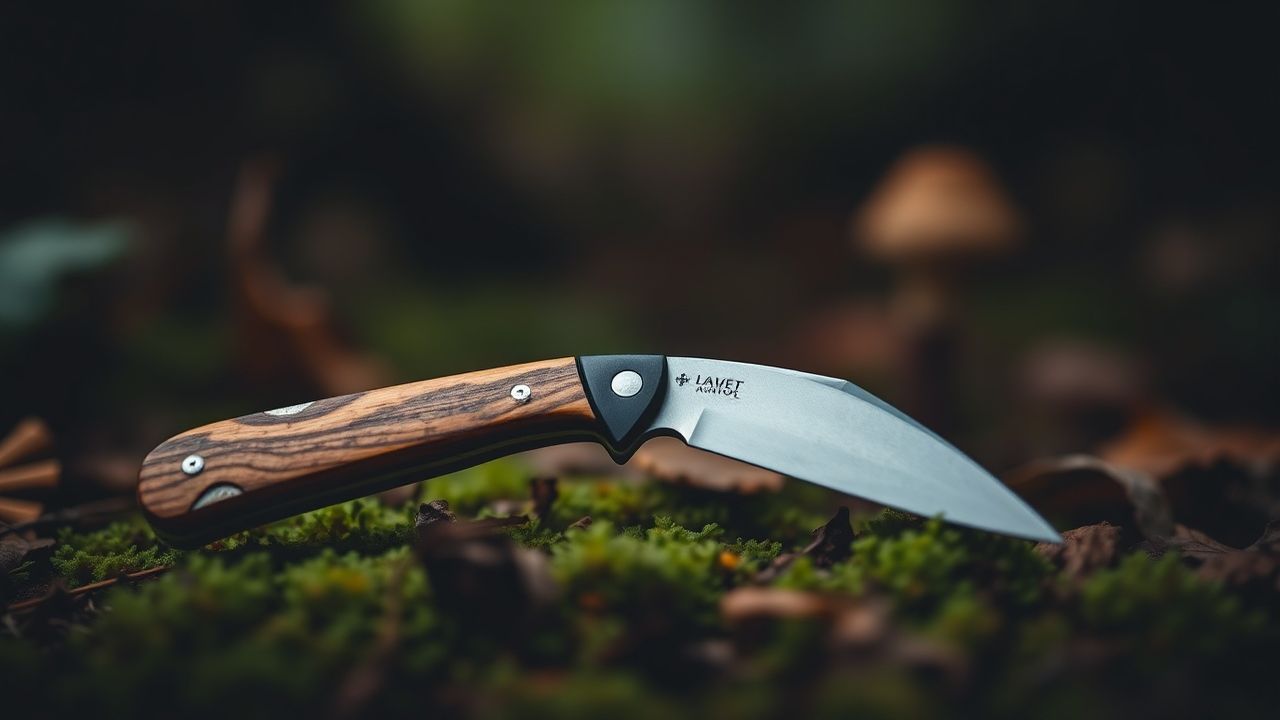

In the quiet shadows of the forest floor a single tool separates casual collectors from skilled foragers: the mushroom knife. This compact instrument pairs a curved blade with an integrated brush so collectors can harvest cleanly, protect mycelium, and keep specimens suitable for identification.
- Anatomy and Design: What Makes a Mushroom Knife
- Blade Types and When to Use Them
- Handle Design and Grip: Comfort Meets Function
- Field Technique: Harvesting Without Harm
- Maintenance: Care That Extends Service Life
- Choosing Your First Knife: Practical Buying Criteria
- Environmental Impact and Ethical Foraging
- Use Cases Beyond Mushroom Harvests
- Safety and Legal Notes
- Q&A
- To Wrap It Up
- FAQ
- Clean cuts preserve mycelium and encourage regrowth.
- Blade shape and handle ergonomics determine comfort and harvest speed.
- Field cleaning with the brush reduces post-harvest handling and spoilage.
Anatomy and Design: What Makes a Mushroom Knife
The mushroom knife combines a specially shaped blade, an ergonomic handle, and often a small brush on the tang. Each component serves a defined purpose: the curve follows natural stems, the handle gives steady control, and the brush removes dirt without damaging the cap.
Look at related biological concepts for context: the fungus you harvest grows from a vast mycelium network, and the visible fruiting body is what we call a mushroom. A proper cut protects the underground structure and conserves fungal populations.
Blade Types and When to Use Them
Curved blades excel on thick, dense stems where a slicing action reduces crushing. Straight edges work well for very small or fragile species that need a precise tip for separation from leaf litter.
Blades come in stainless steel and carbon steel. Stainless resists corrosion in damp conditions. Carbon gives easier sharpening but needs drier storage and a little oil to prevent rust.
Handle Design and Grip: Comfort Meets Function
Handle materials range from natural hardwoods to textured polymers. Wood offers warmth and grip that improves as it seasons, while synthetics often provide non-slip patterns that survive rain and mud better.
Balance and length matter. A short, balanced knife feels like an extension of the hand, which reduces fatigue during long foraging walks. Test grips before buying to confirm comfort across different hand sizes.
Field Technique: Harvesting Without Harm
Use a slicing motion aimed at the stem base. Cut close to the soil but leave a small collar when appropriate to protect surrounding hyphae. This method helps the fungus recover and reduces soil disturbance.
After cutting, use the on-handle brush to remove loose debris. Cleaning on-site prevents grit from damaging gills and keeps specimens viable for identification or immediate cooking.
Maintenance: Care That Extends Service Life
Routine maintenance keeps the blade sharp and the handle stable. Wipe the blade clean after each outing, dry it thoroughly, and apply a thin protective film of oil to carbon-steel edges.
If the handle is wood, apply a food-safe oil occasionally to prevent drying and cracking. For folding models, keep the pivot free of grit to avoid binding and to ensure smooth deployment.
Sharpening matters. Use a fine-grit stone and follow the existing edge angle; consistent stroking preserves the bevel and prevents undue metal removal. Small honing rods work well for field touch-ups.
Choosing Your First Knife: Practical Buying Criteria
Decide whether you want a folding or fixed blade. Folding knives compact into pockets and reduce risk during transport. Fixed blades deliver full tang strength for heavy use and faster cleaning in the field.
Consider a knife with a brush that tucks into the handle. That keeps two essential functions combined: cutting and cleaning. For beginners, a modestly priced folding model with a secure lock is often the best first step.
Environmental Impact and Ethical Foraging
Cutting at the base rather than pulling helps preserve the fungal network. This small change in technique maintains productive sites and supports future yields for other foragers and wildlife.
Collect only mature specimens and follow local regulations. If a patch looks depleted, leave it alone that season to recover. Pair your practical skills with reading on local ecology to build responsible habits.
Use Cases Beyond Mushroom Harvests
Although designed for fungi, the curved blade and brush work well for harvesting delicate herbs, trimming soft stems, and cleaning small root vegetables. The knife’s gentle action preserves texture and appearance.
Keep a dedicated mushroom knife for foraging to avoid cross-contamination with kitchen tasks. That practice keeps the field tool clean and focused on outdoor use.
Safety and Legal Notes
Always carry identification resources when collecting wild mushrooms and do not consume uncertain specimens. Proper cuts preserve identifying features such as gill attachment and stem base for expert review.
Follow land access rules and seasonal restrictions. Municipal parks and many protected areas prohibit foraging or require permits. Confirm rules before you harvest.
Separate from the warning above, carry a basic first-aid kit for cuts and insect encounters. Use a sheath or folding lock to prevent accidental injury while hiking.
Q&A
Q1: What exactly is a mushroom knife, and why do foragers prefer it?
A mushroom knife is a compact tool with a curved blade and often a small brush. Foragers prefer it because it enables clean harvesting and immediate field cleaning, which protects both the specimen and the habitat.
Q2: How does blade design improve harvest quality?
Curved blades slice fibrous stems with minimal crushing. A gentle slice prevents bruising and helps preserve gill structure used in identification. That keeps specimens useful for both cooking and study.
Q3: Are folding knives or fixed blades better for beginners?
Folding knives offer safety and portability, making them a smart start for newcomers. Fixed blades provide faster cleaning and stronger construction for heavy use, which appeals to frequent collectors.
Q4: Will the knife help with identifying mushrooms in the field?
The knife itself doesn’t identify species, but it preserves key features by making a clean cut. That makes it easier to examine gills, spores, and stem characteristics needed for accurate ID.
Q5: Where can I learn safe foraging practices?
Start with local workshops and reliable guides. Our detailed steps on safe practices are available internally at safe mushroom foraging practices. For wider context on techniques and ethics, review foraging resources like foraging.
To Wrap It Up
The right mushroom knife improves harvest quality while protecting the fungal network that sustains future growth. Select a blade and handle that match your terrain and rhythm, and maintain the tool for reliable performance season after season.
Practice thoughtful technique, prioritize safety, and link your harvesting to broader conservation knowledge. Visit our internal guide to safe rules and gear at foraging tools for product comparisons and trusted recommendations.
FAQ
How often should I sharpen a mushroom knife?
Sharpen lightly after several outings or when cuts become ragged. Regular honings keep the edge working and reduce material loss during sharpening.
Can I use a mushroom knife for other outdoor tasks?
Yes. It handles delicate harvesting, light trimming, and cleaning small finds. Reserve it for field use to avoid cross-contamination with kitchen knives.
Do I need a permit to forage mushrooms?
Permit requirements depend on location. Many public lands restrict removal of natural materials. Check local rules before you collect.
What blade material is best for humid climates?
Stainless steel resists corrosion and suits wet conditions. If you choose carbon steel, dry and oil it promptly after exposure to moisture.
How can I learn identification skills safely?
Join local mycology clubs, attend guided walks, and study reputable field guides. Preserve specimens with clean cuts for expert verification when uncertain.
Relevant background reading: explore basic fungal biology at Fungi and review mushroom structure on the Mushroom page for clearer identification traits.
See also: mushroom knife