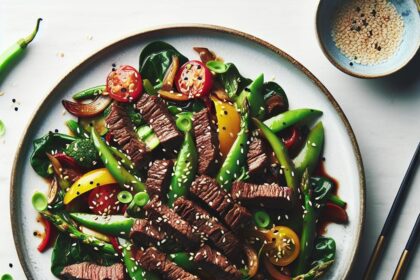
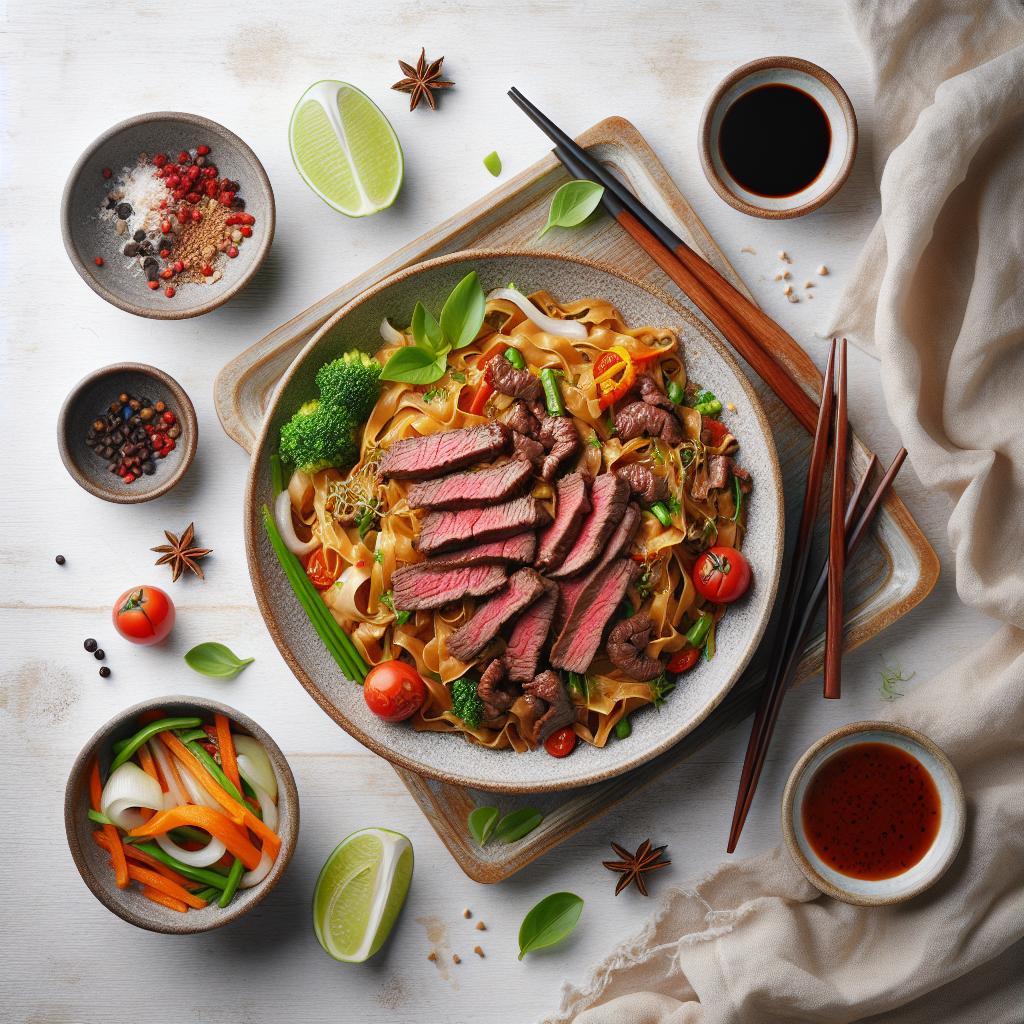

Beef Pad Thai combines the classic balance of tang, salt, sweet, and heat with a meaty backbone that satisfies larger appetites. This version keeps the noodle texture and sauce harmony intact while introducing seared beef for depth and umami.
- Protein upgrade: Beef adds savory richness and protein density.
- Fast prep: Ready in under 30 minutes using quick-sear techniques.
- Flavor balance: Tamarind, fish sauce, and palm sugar remain core anchors.
- Easy swaps: Tofu or chicken work for dietary flexibility.
This guide keeps the recipe practical and technical, offering actionable timing, ingredient choices, and plating cues for home cooks chasing restaurant-style results. Read on for origins, ingredient science, step-by-step technique, and smart customizations.
Exploring the Origins and Evolution of Beef Pad Thai
Pad Thai originated as a popular street-food stir-fry that fused local Thai ingredients and Chinese-style noodles into a single, portable dish. For historical context and cultural background, consult Pad Thai on Wikipedia, which outlines its mid-20th-century surge in popularity.
Beef as a protein simply represents a pragmatic variation, favored where beef is abundant or when cooks seek a heartier mouthfeel. For broader culinary context, see Thai cuisine on Wikipedia, which explains regional ingredient frameworks and flavor priorities.
Prep and Cook Time
These time targets assume active mise en place: all sauces mixed, aromatics prepped, and noodles drained. Quick execution at high heat keeps the beef tender and the noodles properly textured.
Plan for a strict 27-minute timeline from start to finish, which includes a short soak for rice noodles and a rapid high-heat stir-fry.
Timing Breakdown
Preparation: 15 minutes of chopping, soaking, and sauce assembly puts you in control.
Cooking: 12 minutes on the wok or skillet; the searing and toss phases should be brisk to preserve texture.
Yield and Difficulty
This recipe yields about 4 hearty portions and fits an intermediate skill level. The technical demands center on timing and high-heat technique rather than complicated steps.
Mastery comes from rehearsal: practice the sequence once and note stove responsiveness, noodle softness, and heat intensity for your equipment.
Key Ingredients that Elevate the Savory Flavor Profile
Every ingredient plays a defined role: noodles provide structure, the sauce supplies balance, and toppings finish with texture and brightness. Maintain clarity of each element’s purpose when swapping items.
Where possible, prioritize ingredient quality: authentic tamarind concentrate, properly prepared rice noodles, and freshly roasted peanuts all elevate the final dish. Read about tamarind’s culinary role at Tamarind on Wikipedia.
- 8 oz rice noodles – Thin, flat; soak until pliable but not gummy. See Rice noodles on Wikipedia for varieties and handling tips.
- 10 oz beef sirloin, thinly sliced against the grain for tenderness.
- 3 large eggs, lightly beaten for silk and binding.
- 3 cloves garlic, finely minced to release aromatics quickly.
- 2 tbsp tamarind paste – the acidic center that frames the sauce.
- 2 tbsp fish sauce for concentrated umami; consult Fish sauce on Wikipedia for regional variants.
- 1 tbsp palm sugar, grated finely to blend cleanly into the sauce.
- 1 cup bean sprouts – freshness adds necessary contrast.
- ¼ cup roasted peanuts, chopped for crunch and oil-forward flavor.
- 2 green onions, sliced diagonally for an aromatic finish.
- 2 tbsp vegetable oil, neutral oil with a high smoke point for searing.
- 1 lime, wedges for bright acid at service.
- Optional: chili flakes or sliced bird’s eye chiles for heat.
Step-by-Step Guide to Crafting the Perfect Beef Pad Thai
Technique drives outcome: use a hot wok or large skillet, work with a full mise en place, and move swiftly during the final toss to avoid overcooking. Precision in timing produces a glossy sauce and tender beef.
Execute in clear phases: noodle prep, sauce assembly, beef sear, aromatics and eggs, then combine and finish. Each phase takes only a few minutes when organized.
- Prepare the rice noodles: Soak noodles in warm water for 20–25 minutes until softened but still slightly firm; drain and set aside.
- Mix the sauce: Whisk tamarind paste, fish sauce, and palm sugar until smooth. Adjust to a balanced sweet-sour-salty profile.
- Sear the beef: Heat 1 tbsp oil over high heat. Sear beef slices quickly 1–2 minutes per side until browned but still juicy; remove and set aside.
- Sauté aromatics and eggs: Add remaining oil, fry garlic briefly, push to the side, then scramble eggs until soft curds form.
- Combine noodles and sauce: Toss drained noodles with sauce, stir-frying 3–4 minutes until heated through and slightly crisped at the edges.
- Reintroduce beef and fresh ingredients: Add beef, bean sprouts, and scallions; toss gently to combine while preserving crunch.
- Plate and garnish: Serve with chopped peanuts, lime wedges, and optional chiles for heat.
Tips and Tricks for Customizing Your Pad Thai Experience
Small adjustments can produce targeted outcomes: lower heat preserves noodle chew, while a faster sear intensifies beef flavor. Use these tactics to tune texture and flavor.
Keep ingredients organized in bowls to ensure the wok sequence remains uninterrupted. Overcrowding kills sear and makes the result soggy rather than crisp-tender.
- Protein swaps: Substitute chicken breast or firm tofu if you prefer a lighter texture.
- Tamarind alternatives: Mix tamarind concentrate with brown sugar and lime if you lack paste, but adjust to taste.
- Noodle care: Avoid over-soaking; slightly under-softened noodles finish cooking in the wok.
- Make-ahead: Pre-mix the sauce and chop all produce to cut active time during the stir-fry.
Allow a breathing space after the tip: taste and tweak the sauce before you add the noodles. Small incremental adjustments are more reliable than big changes.
Serving Suggestions
Presentation and accompaniments elevate perception. Serve Beef Pad Thai on a brightly colored plate to contrast the noodles and highlight garnishes.
Pair with fresh herbs like cilantro or Thai basil and a crisp salad to cut richness. Try a simple cucumber salad or a light green papaya salad for an authentic pairing.
Explore related recipes in our internal collections for more pairing ideas: see the Asian Fusion Cooking Collection and browse seasonal mains at Recipes.
Nutrition Snapshot
Below is a practical per-serving estimate useful for meal planning. Values change with portion size and ingredient swaps, particularly oils and protein amounts.
Adjust components—especially oil, peanuts, and the sugar component—to meet caloric or macronutrient goals.
| Nutrient | Amount per Serving |
|---|---|
| Calories | 460 kcal |
| Protein | 32 g |
| Carbohydrates | 48 g |
| Fat | 14 g |
FAQ
What makes Beef Pad Thai different from the traditional Pad Thai?
Beef Pad Thai swaps common proteins like shrimp or chicken for thinly sliced beef, adding deep savory notes and a fuller mouthfeel. The sauce profile—tamarind, fish sauce, and palm sugar—remains the same, preserving classic balance.
Which beef cuts work best for this stir-fry?
Choose quick-cooking cuts such as flank, skirt, or sirloin, sliced thinly against the grain. These cuts sear rapidly and stay tender when flash-cooked at high heat.
How do I keep the beef tender and juicy?
Work at high heat and avoid overcooking: sear the beef in a single layer for only 1–2 minutes per side, then remove it until the final combine. That prevents drying and preserves juices.
Can I make Beef Pad Thai gluten-free?
Yes. Use tamari or a certified gluten-free soy sauce replacement and verify that your fish sauce or alternatives carry gluten-free labeling. Swap any wheat-containing noodles for verified rice noodles.
How should I store leftovers and reheat them?
Store leftover Pad Thai in an airtight container for up to 3 days in the refrigerator. Reheat gently in a skillet over medium heat with a splash of water or oil to restore moisture without overcooking the beef.
For more recipes and variations, visit our internal collections: Asian Fusion Cooking and All Recipes. These pages provide complementary ideas and seasonal twists to expand your repertoire.
See also: Pad Thai