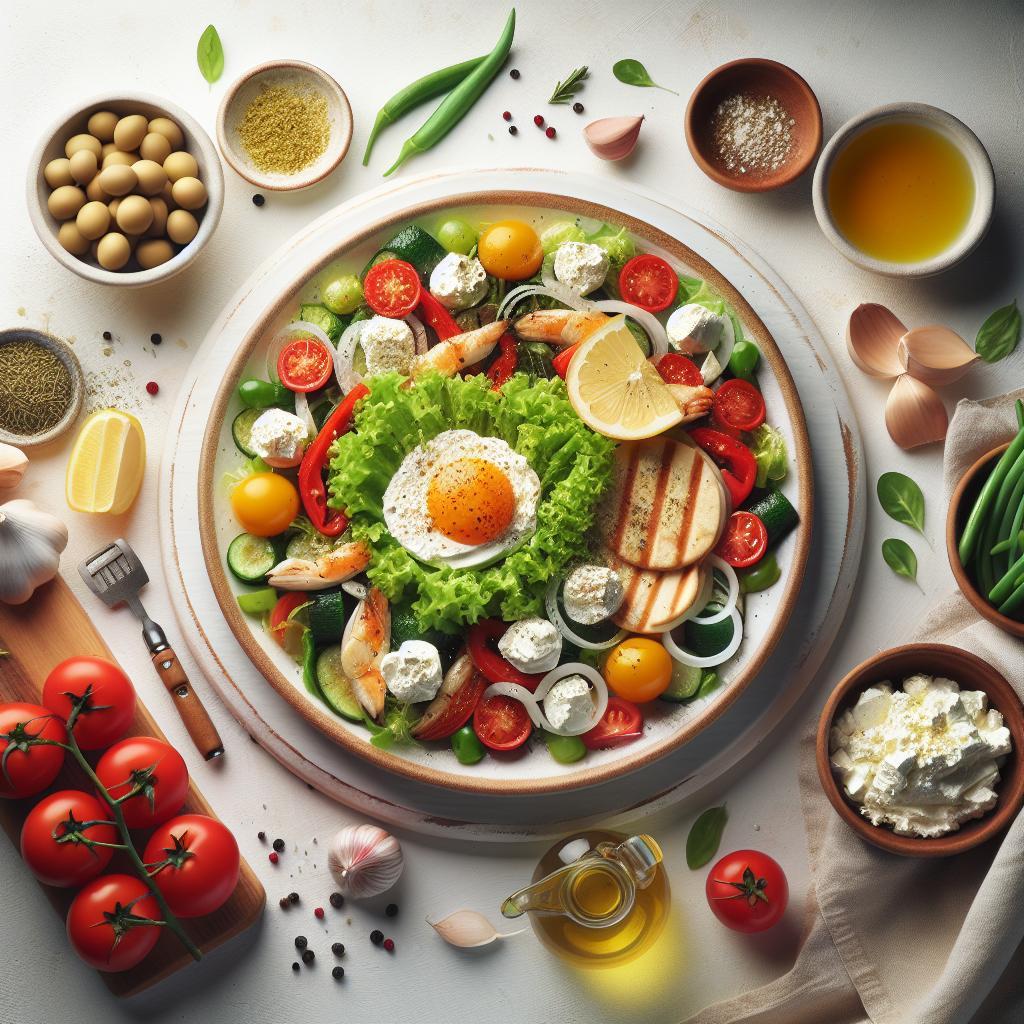

Greek traditions convert craft, ritual and social networks into measurable market value for producers and cultural entrepreneurs. This piece examines culinary technique, cooperative systems and language continuity, and shows how those elements create reproducible products and premium positioning.
- Greek traditions: Spanakopita — heritage on a plate
- Greek traditions: Recipe essentials — prep, yield and difficulty
- Greek traditions: Ingredients that communicate quality
- Greek traditions: Clear, scalable instructions
- Greek traditions: Practical tips for consistent results
- Greek traditions: Serving suggestions and pairings
- Greek traditions: Cultural context driving modern success
- Nutrition and practical data
- Greek traditions: Q&A — traditions fueling modern triumphs
- Wrapping up
- FAQ
- Heritage sells: traditional skills become premium attributes that buyers pay for.
- Food as platform: local dishes translate provenance into tourism and retail traction.
- Networks scale: festivals and cooperatives reduce market entry costs for smallholders.
- Language matters: vocabulary and storytelling preserve craft and support export narratives.
Greek traditions: Spanakopita — heritage on a plate
Greek traditions show themselves plainly in spanakopita, where a defined technique creates a repeatable product. The recipe bundles seasonality, layered technique and local ingredients into a single item that communicates origin and skill.
Chefs and small bakers use spanakopita to signal authenticity and regional identity to tourists and specialty retailers. For historical and culinary context, consult spanakopita and Greek cuisine, which document regional variation and culinary transmission.
Greek traditions: Recipe essentials — prep, yield and difficulty
Plan roughly 25 minutes of active prep and 40–45 minutes of baking for a standard tray that serves six. Those timings help teams and home cooks achieve consistent texture, which matters for repeat sales.
Counting time and yield lets producers scale portions for events and retail orders. Standardized schedules simplify staff training and reduce production variance in small-batch operations.
Greek traditions: Ingredients that communicate quality
Assemble high-quality spinach, feta, filo and fresh herbs to reach the expected texture and flavor profile. Precise ratios control moisture and salt, preserving crispness and mouthfeel for retail slices or plated service.
Measure ingredients and keep filo covered until layering to prevent drying and tearing. Small technique choices drive perceived quality and affect shelf stability in takeaway or chilled display cases.
Greek traditions: Clear, scalable instructions
Work in stages: sweat aromatics, wilt and drain greens, cool the filling, then layer with filo and bake. Each stage controls moisture and prevents soggy layers, which preserves product integrity and customer satisfaction.
This stepwise approach converts tacit craft into trainable protocols that small teams can repeat reliably. Documented workflows let artisans scale without losing signature textures or flavor balance.
Practical method
Preheat the oven to 350°F (175°C) and lightly oil a 9×13 inch dish. Sauté onion and garlic, wilt spinach until moisture mostly evaporates, cool the filling, then assemble with brushed filo layers and bake until deeply golden.
Score the top to vent steam and rest the tray ten minutes before cutting to protect layers. These simple checkpoints reduce waste and improve slicing yield for retail packaging.
Greek traditions: Practical tips for consistent results
Control moisture tightly by squeezing spinach in a clean towel or pressing in a sieve to remove excess liquid. Over-wet greens collapse filo and shorten shelf life, harming both presentation and margins.
Brush oil evenly and maintain consistent tension on filo sheets for uniform browning. Use room-temperature eggs and cooled filling during assembly to avoid premature melting that changes texture.
Choose a fresh extra virgin olive oil for brushing and finishing because oil quality affects aroma and perceived value. Adjust salt based on your feta to maintain a balanced bite without overwhelming customers.
Small-scale producers should always trial a full-run sample before committing to large batches for festivals or wholesale. A controlled test protects reputation and prevents costly returns.
Greek traditions: Serving suggestions and pairings
Serve warm with a crisp salad of cucumber, tomato and olives dressed in lemon and olive oil to cut through richness. Acidity refreshes the palate and encourages repeat orders at cafés and markets.
Pair slices with chilled water scented with mint or a light rosé to preserve herbal notes. Garnish with lemon wedges and extra dill to signal freshness and artisanal care to customers.
Greek traditions: Cultural context driving modern success
Greek traditions function as social infrastructure. Food, festivals and cooperative practices create reputation systems that small enterprises use to enter specialty markets with lower entry cost.
Producers who document provenance and tell the story of technique capture higher margins. For literacy on cultural transmission and language’s role in craft, review Greek language resources that explain specialized vocabulary and its preservation.
From olive groves to global brands
Olive cultivation illustrates how generational know-how pairs with modern certification and traceability to reach export markets. Producers combine pruning practices with quality controls and value-added labeling to increase price-per-unit.
Learn more about production and trade via the olive oil overview at olive oil. Cooperative branding helps smallholders scale distribution while retaining local practice and identity.
Local festivals and market testing
Local festivals function as low-cost incubators where artisans test products and collect direct consumer feedback. Regular events let makers refine recipes, brand messages and packaging before broader distribution.
These gatherings also concentrate buyers and media exposure, improving visibility without high advertising spend. They accelerate iterative design and show proof of concept to potential retail partners.
Nutrition and practical data
This spanakopita delivers a balanced macronutrient mix typical of Mediterranean dishes: vegetables, olive oil and moderate dairy. The composition supports satiety and offers nutrient density suitable for café menus and meal-prep services.
For public-health context, consult the Mediterranean diet literature that links dietary patterns to longevity and metabolic outcomes. Those patterns explain why Mediterranean dishes scale well in health-focused markets.
| Nutrient | Per Serving |
|---|---|
| Calories | 320 kcal |
| Protein | 12 g |
| Carbohydrates | 25 g |
| Fat | 20 g |
Greek traditions: Q&A — traditions fueling modern triumphs
Short answers below highlight mechanisms that convert heritage into economic advantage. Each response focuses on actionable connections producers and cultural managers can replicate locally.
These points aim to be operational rather than theoretical, so teams can design experiments and measure results fast.
How do ancient practices influence modern business?
Practices transmit tacit knowledge—timing, temperature control and craft gestures—that lower production risk and improve consistency. Entrepreneurs use these skills to create differentiated goods that support premium pricing strategies.
Standardizing steps and recording critical control points turns tacit craft into trainable processes. That conversion matters when moving from kitchen-scale to event or retail distribution.
What role does rhetoric and storytelling play?
Classical rhetorical training fosters clear argumentation and persuasive narrative, which founders apply to branding and investor pitches. These skills make cultural narratives more coherent and memorable for buyers and funders.
Programs that teach storytelling and public reasoning amplify leaders’ ability to attract partners, media attention and grant support. Story frameworks turn provenance into a repeatable sales asset.
Can tradition spur innovation?
Yes. Artisan mills combine centuries-old pressing with modern traceability and quality labeling to access specialty retailers. That hybrid approach raises perceived value and widens market access.
Similar hybrid models apply to cheeses, wines and heritage grains where technique and terroir differentiate products internationally. Innovators use tradition as a stable, trustable platform for new offers.
How do festivals strengthen local economies?
Festivals renew networks, transmit craft knowledge and generate concentrated demand for local products. They act as proving grounds where new offers gain early adopters and immediate feedback.
Regular events also support cooperative logistics and clustering, which reduce distribution costs and improve visibility for small producers. That cluster effect raises collective bargaining power.
How does language preserve craft knowledge?
Specialized vocabulary records technique and local ingredient categories, making precise transmission possible across generations. Language anchors identity and clarifies distinctions that matter in premium markets.
Preserving idiomatic terms helps when translating product stories for foreign buyers and cultural tourists, preserving nuance that generic translation often loses.
Wrapping up
Greek traditions convert craft, social networks and linguistic continuity into tangible market advantages for small producers and cultural entrepreneurs. Reproducible technique and clear provenance support higher prices and sustained loyalty.
Spanakopita exemplifies this pattern: a compact recipe becomes a platform for storytelling, tourism and niche retail when makers control moisture, master layering and communicate origin. Practitioners who combine technique with transparent provenance consistently win repeat customers.
FAQ
What makes spanakopita different from other pies?
Spanakopita uses spinach and feta between thin filo sheets to create a crisp, layered texture. Fresh herbs and brined cheese deliver the savory balance that defines the dish.
Can I freeze spanakopita before baking?
You can assemble the unbaked pie, wrap it tightly and freeze. Thaw in the refrigerator and score the top before baking to vent steam and ensure even results.
Is this recipe vegetarian?
Yes. The dish contains no meat and provides protein from eggs and feta. For added protein, incorporate cooked legumes or whole grains into the filling.
How do I keep filo sheets from drying out?
Cover filo with a damp towel while working and brush layers with oil as you assemble. Work with focus so sheets remain pliable until the tray goes into the oven.
Where can I learn more about Greek culinary and cultural traditions?
Start with broad overviews and primary-source references available through encyclopedic entries on Greek cuisine, Mediterranean diet, and Greek language. These sources compile historical context and technical references that help producers build credible origin stories.
See also: Greek traditions