
Beneath a golden crust and tender interior lies a layered chemistry that makes chicken addictive. The difference between bland poultry and a memorable dish depends on technique, timing, and ingredient interaction executed with precision.
- Brine and marinate to lock moisture and flavor deep into the meat.
- Sear for Maillard to generate savory compounds on the surface.
- Balance acid, salt, fat, and heat to achieve bright, sustained taste.
Understanding Flavor Foundations
Chicken offers a mild, slightly sweet base that readily accepts herbs, spices, and aromatics. That neutral canvas means small adjustments—salt level, acid, or a toasted spice—can dramatically alter perception.
Flavor emerges from three linked systems: the meat’s own compounds, applied seasonings, and the chemical changes caused by heat. The interaction among these systems is why techniques like brining or searing matter as much as the spice blend.
Prep and Cook Time
Effective prep focuses on timing: set up brines and marinades so penetration and enzymatic action occur before heat. Shortcuts harm depth; planned hold times reward yield and texture.
Practical timing for a typical chicken-thigh preparation is concise and scalable. Allow two hours minimum for marinade uptake and roughly 25–30 minutes of high-to-moderate cooking, depending on cut and method.
- Preparation: 20 minutes
- Marinating Time: 2 hours (minimum) to overnight (best)
- Cooking Time: 25-30 minutes
Yield
This recipe yields four hearty portions for average appetites. Scaling is linear—double liquids and seasonings proportionally for larger batches.
Portion control also affects cook timing: thinner pieces reach safe internal temperature faster, so monitor with a thermometer rather than time alone. That preserves juiciness and prevents overcooking.
Difficulty Level
Rated medium, the technique requires attention to temperature and timing, but it uses common tools and pantry spices. Home cooks with basic knife and pan skills will succeed quickly with a meat thermometer.
Precision elevates results: a hot pan, proper sear, and accurate resting time consistently produce superior texture and layered flavor. These repeatable actions turn good chicken into outstanding chicken.
Ingredients
The ingredient list blends aromatics, spice, acid, and fat—each fulfilling a functional role. Oil distributes fat-soluble aromatics; acid tenderizes and brightens; salt amplifies and balances; sweet elements round the flavor profile.
Use fresh spices and aromatics when possible. Toasting whole spices briefly before grinding releases volatile oils that amplify depth and persistence on the palate.
- 4 boneless, skin-on chicken thighs, trimmed and patted dry
- 1/4 cup extra virgin olive oil
- 3 cloves garlic, minced
- 1 tablespoon freshly grated ginger
- 2 teaspoons smoked paprika
- 1 teaspoon ground cumin
- 1 teaspoon ground coriander
- 1/2 teaspoon turmeric powder
- 1 teaspoon kosher salt (adjust to taste)
- 1/2 teaspoon freshly cracked black pepper
- 2 tablespoons fresh lemon juice
- 1 tablespoon honey
- 1/4 cup chopped fresh cilantro, for garnish
- Optional: A pinch of red chili flakes for heat
Instructions
Follow a clear sequence: mix, marinate, sear, finish, and rest. Each step serves flavor and texture—skip none if you want consistent results.
Maintain control over heat and time. Use a thermometer to hit a safe 165°F (74°C) internal temperature without over-drying the meat.
- Prepare the marinade: Whisk oil, garlic, ginger, smoked paprika, cumin, coriander, turmeric, salt, pepper, lemon juice, and honey until unified. The acid and oil combine to both tenderize and carry aromatic compounds into the meat.
- Marinate the chicken: Place thighs in a resealable bag or shallow dish and pour the marinade over them. Refrigerate for at least 2 hours, preferably overnight to allow deeper flavor penetration.
- Preheat your pan or grill: Heat a heavy skillet or grill pan over medium-high heat until hot but not smoking. Cast iron yields an even surface temperature and helps develop a consistent crust.
- Sear the chicken: Remove chicken from marinade, shake off excess, and place skin-side down in the hot pan. Sear until skin is golden and crisp, 5–7 minutes, resisting the urge to move pieces too soon.
- Flip and cook through: Turn the chicken, reduce heat to medium, and cook 8–10 minutes more, or until a thermometer reads 165°F (74°C). Finishing in a 400°F (205°C) oven for five minutes improves texture while protecting moisture.
- Rest and garnish: Transfer to a plate and tent loosely with foil for five minutes to redistribute juices. Finish with chopped cilantro and a squeeze of lemon for lift.
Tips for Success
Small technique shifts deliver predictable improvements. Consistent salt levels, correct heat application, and resting all contribute to better texture and a cleaner flavor profile.
Experiment conservatively: adjust one variable at a time—salt level, acid, or roast time—so you understand its impact. This methodical approach builds reliable instincts for seasoning and cook times.
- Marinating: Overnight marination increases depth. For a faster method, slightly score thick pieces and use a more acidic marinade for up to two hours.
- Spice adjustments: Add warm spices like cinnamon or cardamom sparingly to introduce aromatic warmth without overpowering the base spices.
- Cooking method: Sear first for the Maillard reaction, then finish in an oven for even doneness. That two-stage approach controls crust and internal texture.
- Storage: Keep leftovers in an airtight container refrigerated up to three days. Reheat gently to preserve moisture.
- Substitutions: Chicken breasts work but cook faster; monitor with a thermometer to avoid dryness.
For more advanced flavor layering, consult internal guides on technique and seasoning. See the detailed marinade primer at Mastering Chicken Marinades or review finishing methods at Grilling Techniques.
Understanding the science helps refine practice. Read about how marinades interact with meat proteins via the concept of marinade.
Brining, Chemical Reactions, and Texture
Brining uses salt solutions to modify muscle proteins so they retain more moisture when exposed to heat. The process increases the meat’s water-holding capacity and evens seasoning throughout the piece.
Brining also affects mouthfeel and perceived juiciness because salt changes how proteins bind water. Even a short brine will measurably improve texture and yield.
For surface flavor and crust formation, the Maillard reaction is central. Browning transforms amino acids and sugars into hundreds of complex flavor compounds that create roasted, savory notes.
When searing, aim for a dry skin surface to speed Maillard chemistry. Avoid crowding the pan; overcrowding lowers surface temperature and produces steaming rather than browning. Learn the science of browning at Maillard reaction.
Acidity balances richness but requires attention to timing and concentration. Use acids as brighteners rather than sole tenderizers for best texture and flavor balance.
Serving Suggestions
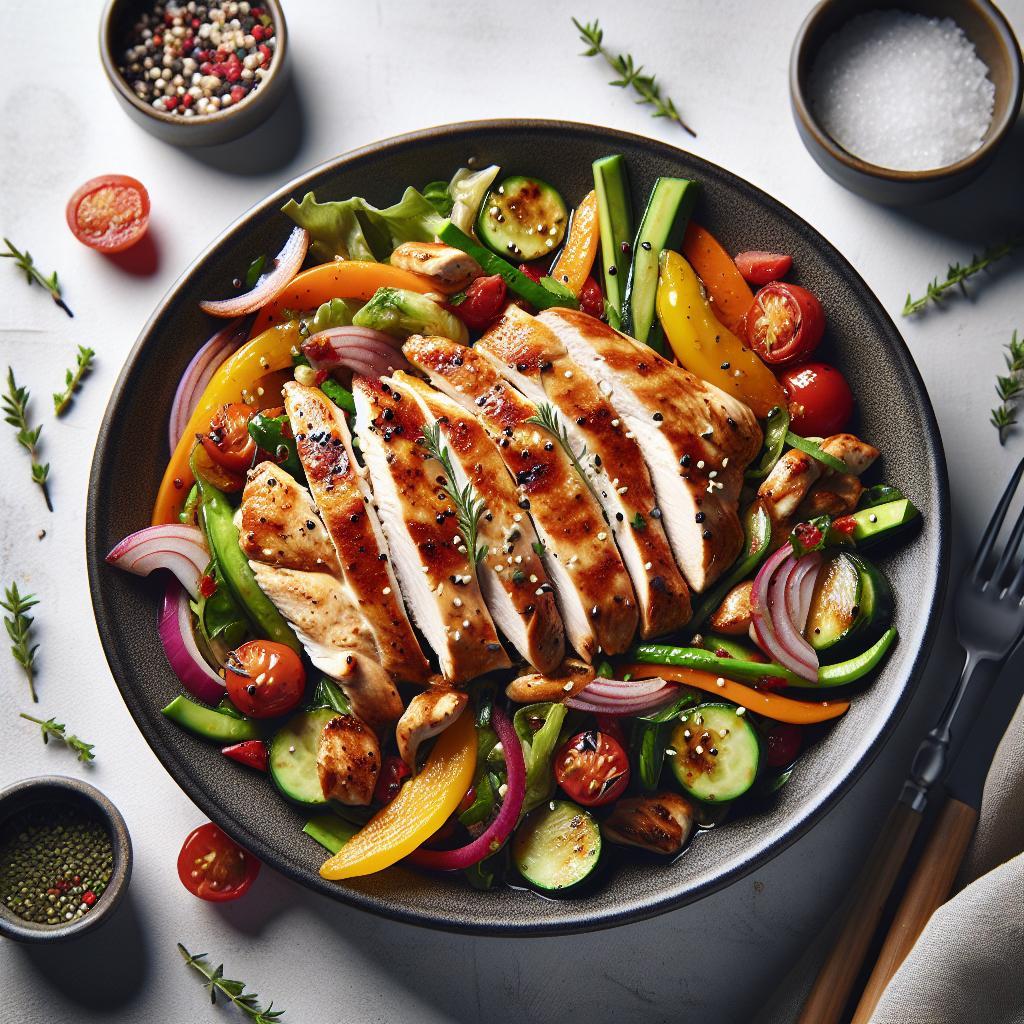
Pair the spiced chicken with neutral starches and bright, cooling elements to form a complete plate. Rice, flatbreads, and simple salads all complement robust, spiced poultry.
Garnishes matter: fresh herbs, citrus, and a scattering of toasted seeds add aroma and texture that improve each bite. For inspiration on herb pairings, review the herb basics at herb.
Try side ideas like herb-infused basmati rice or a cucumber-yogurt salad to contrast heat and fat. A few toasted nuts add crunch and a toasty counterpoint to the spices.
Practical Notes on Flavor Perception
Sensory science tells us umami, salt, acid, fat, and texture all combine to create palatability. Enhancing umami can make chicken taste fuller and more savory with less added salt.
Simple additions that increase umami include mild reductions, toasted aromatics, or aging techniques on components. For more on umami as a taste dimension see the Wikipedia overview at umami.
FAQ
The following short answers target common practical questions about building chicken flavor. Each answer gives a clear, actionable step.
How long should I marinate chicken for best flavor?
Marinate boneless pieces at least two hours and up to overnight for deeper flavor. For bone-in pieces, extend to a full night for maximum penetration.
Does brining add saltiness?
Proper brining seasons throughout without making the meat overly salty. Use recommended salt concentrations and rinse briefly if surface salt is a concern.
Why is my chicken dry after cooking?
Dryness results from overcooking or heat that is too high through the meat. Use an instant-read thermometer and pull chicken at 160°F, allowing carryover to reach 165°F.
Which spices create the most depth?
Warm spices like cumin and coriander, plus smoked paprika and toasted seeds, add layered depth. Combine them with fresh aromatics for immediate brightness.
Can I replicate restaurant flavor at home?
Yes. Restaurants rely on salt management, precise heat, and compound layers (marinade, rub, sauce). Recreate those elements at home with measured timing and a good thermometer.
Insights and Conclusions
Flavor comes from a sequence of deliberate choices: proper salting, balanced acids, heat control, and finished garnishes. Executing each step consistently produces reliably delicious chicken.
Armed with these techniques and a few experiments, you can transform kitchen poultry into a repeatable favorite. Practice builds reliable instincts—season, sear, rest, and taste.
Explore seasoning blends or return to the practical marinade guide at Mastering Chicken Marinades for deeper recipe variations.
| Nutrient | Per Serving |
|---|---|
| Calories | 320 kcal |
| Protein | 27 g |
| Carbohydrates | 6 g |
| Fat | 20 g |

See also: chicken flavor