
Vibrant Vegetable Dishes: Nutritious Meals from Nature’s Bounty
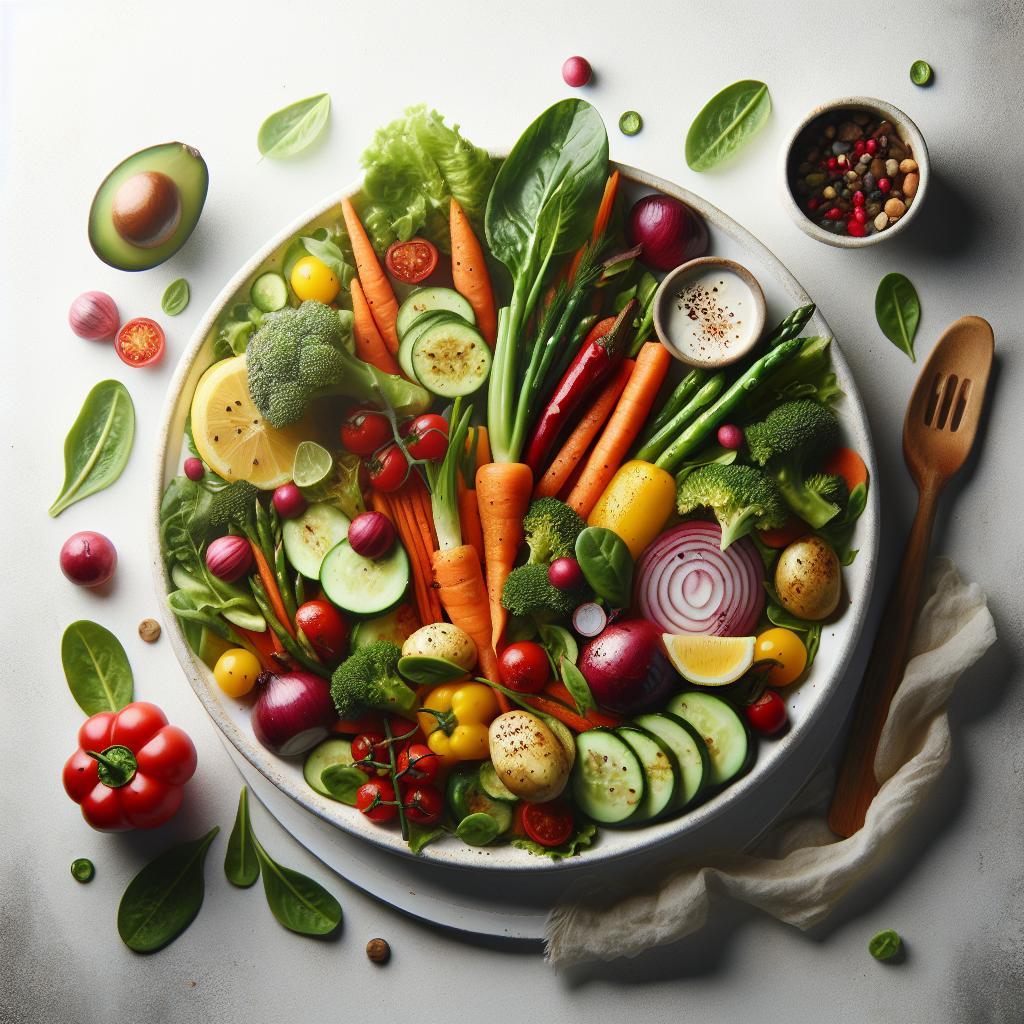
Bursting with color, flavor, and life, vibrant vegetable dishes showcase the range of nutrients nature delivers. These plates offer more than sustenance; they deliver texture, aroma, and balanced nutrient density that supports daily energy and recovery.
- Seasonal produce maximizes taste and nutrient density.
- Simple techniques preserve texture and vitamins.
- Colorful plates improve dietary variety and satisfaction.
- Pairings like grains and seeds boost protein and satiety.
Harnessing Seasonal Produce for Maximum Nutritional Impact
Seasonal vegetables deliver peak flavor and the highest levels of heat-sensitive micronutrients. Selecting produce at peak season reduces transit time and often increases vitamin retention compared with out-of-season options.
Working with seasonality also shapes menu variety and sustainability, helping you rotate ingredients across months. Learn season-specific handling to maintain texture and bioavailability of nutrients from each harvest.
Choosing produce with care starts at the market: look for firm roots, vibrant leaves, and intact skins. Store vegetables according to type to slow spoilage and retain key compounds like vitamin C and carotenoids.
For context on produce categories and seasonality, see the vegetable overview and the science of seasonality for food systems.
Simple Vibrant Vegetable Medley (Recipe)
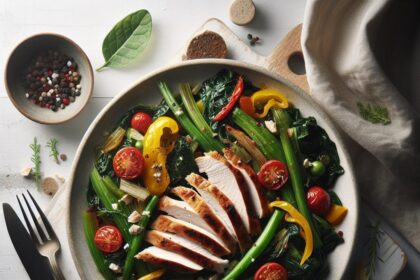
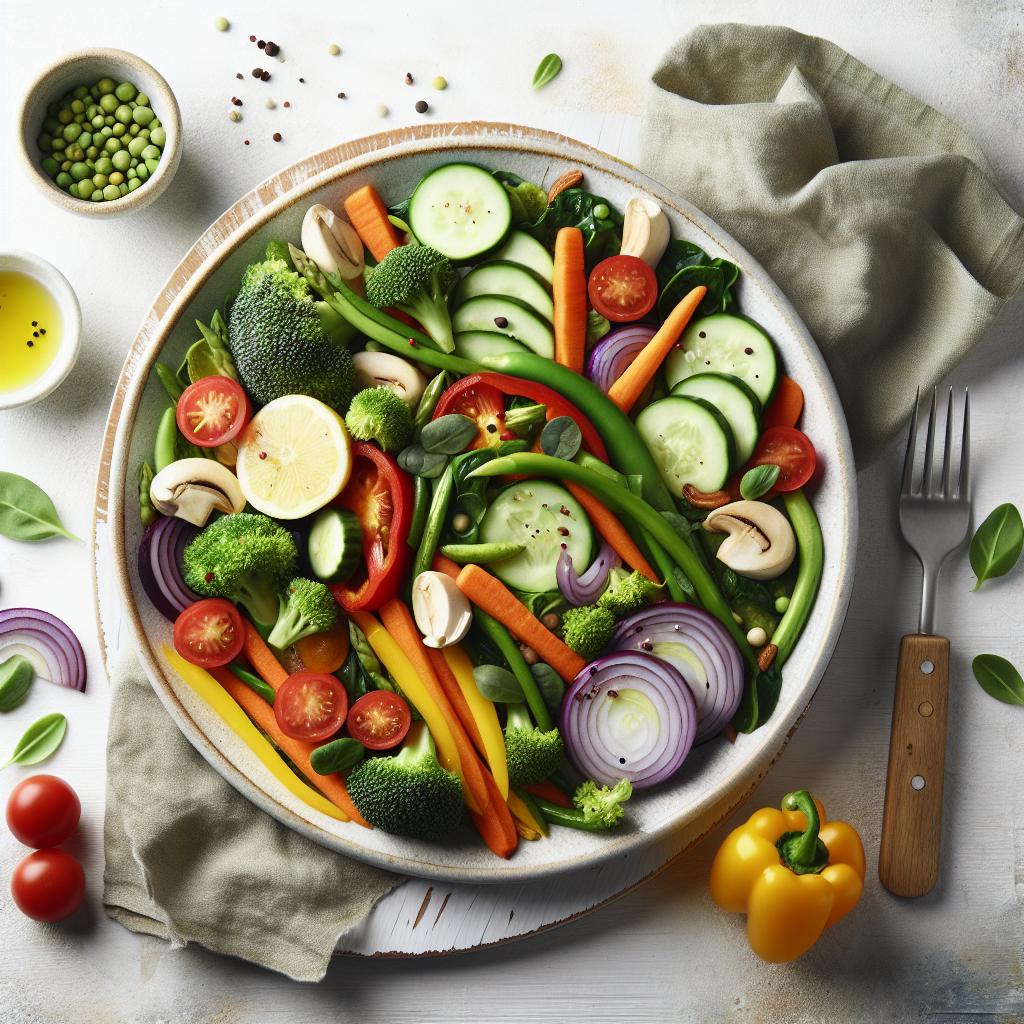
This skillet medley celebrates contrasting color and texture, and it cooks quickly to preserve nutrients. The technique emphasizes gentle heat and short cook times to maintain visual appeal and vitamin content.
Prep efficiently by organizing mise en place: chop similar-density vegetables together and sequence additions by cook time. That workflow minimizes overcooking and maximizes mouthfeel.
Prep and Cook Time
Preparation: 20 minutes. Cooking: 25 minutes. These times favor rapid sautéing and light steaming to retain crispness.
Total: 45 minutes. The recipe scales easily and works with multiple vegetable swaps to match seasonal availability.
Yield
Serves 4 elegantly vibrant portions. Portion control here balances caloric density with nutrient volume for a plant-forward meal.
Double the recipe for family meals or halve it for two; the technique remains identical and forgiving for home cooks.
Difficulty Level
Easy to Medium. The dish is approachable for cooks who understand sequencing and heat control. Minimal equipment — a skillet and a wooden spoon — yields professional, consistent results.
Mastering timing is the only advanced skill: add denser vegetables first and tender ones later to achieve al dente texture without mush.
Ingredients
1 cup rainbow chard, roughly chopped. 1 medium bell pepper, julienned. 1 cup baby carrots, sliced diagonally.
1 medium zucchini, diced. 1 cup cherry tomatoes, halved. 2 tbsp extra-virgin olive oil. 1 tsp smoked paprika.
1 tsp ground cumin. ½ tsp turmeric powder. 2 cloves garlic, minced. 1 tsp freshly grated ginger.
Salt and freshly ground black pepper to taste. Juice of ½ lemon. Fresh cilantro leaves for garnish. 1 tbsp toasted pumpkin seeds (optional).
Instructions
- Heat the oil in a large skillet over medium heat. Add garlic and ginger and sauté until fragrant, about 1 minute, taking care not to brown.
- Add chard, bell pepper, and baby carrots. Stir and cook for 5 minutes so the vegetables soften while keeping a light crunch and vivid color.
- Sprinkle in smoked paprika, cumin, and turmeric. Stir continuously for even coating and to release volatile spice oils without burning.
- Add zucchini and cherry tomatoes. Cook 6–8 minutes, stirring occasionally, until vegetables are tender yet hold structure.
- Season with salt, pepper, and lemon juice. Toss gently to balance acidity and spice; adjust seasoning to taste.
- Finish and serve. Transfer to a warm dish, garnish with cilantro and toasted pumpkin seeds for contrast and texture.
Chef’s Notes
You can adapt this medley to a variety of dietary needs. For higher protein, add cooked legumes or a grain base; for lower fat, reduce oil and finish with citrus and herbs.
Roasting root vegetables separately enhances caramelization and brings deeper, sweeter notes to the dish. Reserve roasted pieces and fold them in near the end to maintain contrast.
For gluten-free, nutrient-rich bases, try quinoa or farro; both pair well with lemon-forward dressings and seeds for texture. For background on quinoa as a protein-rich grain, see quinoa.
Swap spices confidently: chipotle powder adds smoky heat while sweet paprika softens the profile. Use small amounts and taste as you go to avoid overpowering fresh produce.
Finish with a light acidic element—lemon, vinegar, or a yogurt drizzle—to lift flavors and aid mineral absorption. Acids help release bound nutrients and complement fatty components.
Serving Suggestions
Plate the medley on a bright ceramic dish to emphasize color contrasts and increase appetite appeal. Serve alongside warm flatbread for a hand-held option or with a grain bowl for a complete plate.
Garnishes such as microgreens or edible flowers increase perceived quality and deliver delicate flavor. A chilled cucumber-mint yogurt dip refreshes the palate and tempers bold spices.
For plant-forward meal planning and environmental context, consider principles from the plant-based diet movement when composing weekly menus.
Nutrition Overview
The medley offers low calorie density with a moderate amount of healthy fats and fiber. Vegetables provide micronutrients such as vitamin C, carotenoids, and phytonutrients that support antioxidant defenses.
Pairing with grains and seeds raises complete protein content and improves satiety. Use the nutrition table below to inform portion control and meal planning.
| Nutrient | Per Serving |
|---|---|
| Calories | 150 kcal |
| Protein | 4 g |
| Carbohydrates | 20 g |
| Fat | 7 g |
For basic guidance on vitamins commonly present in colorful vegetables, review the vitamin entry for nutrient function and classification.
Q&A
Q1: Why incorporate more vibrant vegetable dishes?
A1: A varied palette signals a range of phytonutrients that support gut health, micronutrient intake, and oxidative balance. Color variety helps meet multiple nutrient targets across meals.
Q2: Which cooking methods best preserve nutrients?
A2: Steaming, quick sautéing, and roasting at moderate temperatures preserve texture and many vitamins. Minimize water exposure and reduce cooking time for heat-sensitive compounds.
Q3: How do I make vegetable dishes more satisfying?
A3: Add textural contrast—crunchy seeds, roasted nuts, or toasted legumes—and include a complementary protein or whole grain to increase satiety and nutrient completeness.
Q4: Can these dishes support sustainable eating?
A4: Yes. Emphasizing seasonal produce and plant-forward plates reduces reliance on resource-intensive ingredients and supports local supply chains when sourced regionally.
FAQ
How do I store seasonal vegetables to retain nutrients?
Store root vegetables cool and dry to prevent sprouting and spoilage. Leafy greens keep longer wrapped in a damp towel inside a ventilated container to maintain humidity without promoting rot.
Refrigerate tomatoes only if fully ripe and use them soon to avoid flavor loss. Proper storage extends shelf life and reduces food waste.
What quick swaps keep the recipe nutritious?
Swap chard for kale or spinach, and bell pepper for any sweet pepper variety. Add canned chickpeas for protein or a handful of seeds for healthy fats and texture.
Use spices like turmeric or smoked paprika to enhance bioactive compound uptake and to add sensory complexity without extra calories.
Can I batch-cook this medley for meal prep?
Yes. Refrigerate for up to 48 hours in an airtight container and reheat gently on low to preserve texture. For best results, roast firm vegetables separately and fold them into reheated sautéed greens.
Freezing is possible for some components but may alter texture; cook only once and cool rapidly before freezing to limit microbial growth.
What pairings boost nutrient absorption?
Include a small amount of healthy fat to improve absorption of fat-soluble vitamins A, D, E, and K found in colorful vegetables. Olive oil or a spoon of tahini works well.
Adding citrus or vinegar enhances iron and mineral bioavailability through acid-mediated release and digestive signaling.
Where can I learn more about seasonal vegetable recipes?
Consult reputable culinary references and evidence-based nutrition resources to expand seasonal menus. Cross-referencing culinary technique articles helps refine texture and flavor outcomes.
Practical reading and regular experimentation with seasonal produce build confidence and deepen palate variety over time.
By weaving seasonal color, efficient technique, and balanced pairings into regular cooking, vibrant vegetable dishes become dependable, nutritious, and pleasurable. They provide a foundation for both everyday meals and elevated plates that highlight nature’s bounty.
See also: vegetable dishes