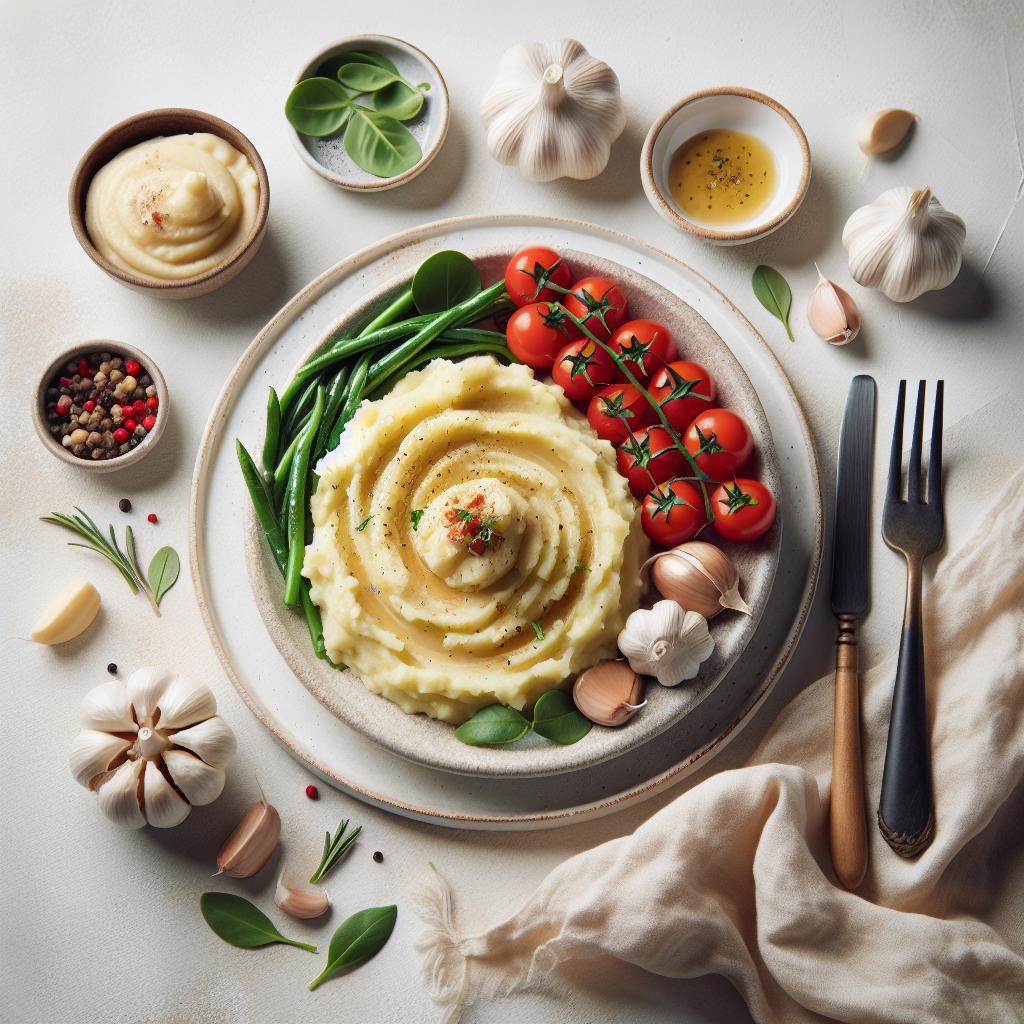

Whip Up Perfectly Creamy Garlic Mashed Potatoes Today! A bowl of creamy garlic mashed potatoes delivers warm texture, rounded flavor and reliable comfort that lifts any meal. Use the right potato, control temperature, and mash gently to get a silky finish every time.
- Key takeaway: Warm dairy and gentle mashing prevent gluey results.
- Timing tip: Cook potatoes to just fork-tender so they mash smoothly.
- Flavor balance: Roast or simmer garlic for mellow depth without bitterness.
- Makeahead: Reheat gently with warm milk to refresh texture.
Prep and Cook Time
Plan 45 minutes total for prep and cooking when you follow a straightforward method. That includes 15 minutes to peel and cut, and about 30 minutes to cook and finish the mash.
Short, controlled cooking keeps the potatoes from absorbing excess water. Use a timer and test with a fork for consistent doneness.
Yield and Difficulty
This recipe yields about six generous servings when you start with 3 pounds of potatoes. It rates easy for most home cooks and scales predictably.
Portions hold well for holiday plates and weeknight dinners. Multiply ingredients evenly for larger crowds to keep texture consistent.
Ingredients
Use ingredients that contribute both texture and flavor: starchy tubers, warm dairy, and butter for silk. I prefer Yukon Gold for its naturally creamy flesh and buttery notes.
- 3 pounds Yukon Gold potatoes, peeled and cut into large chunks
- 6 large cloves garlic, peeled and lightly crushed
- 1 cup whole milk, warmed
- ½ cup unsalted butter, cut into tablespoons
- ⅓ cup sour cream (optional for extra tang and creaminess)
- Salt, to taste
- Freshly ground black pepper, to taste
- Fresh chives, finely chopped (for garnish)
For context on the primary ingredient, review the botanical and culinary roles of the potato. That background explains why some varieties mash silkier than others.
Step-by-Step Instructions
Start by placing peeled, uniform potato chunks in a large pot and cover with cold water. Add a generous pinch of salt to the water so the potatoes season from the inside out while they cook.
Add crushed garlic cloves to the pot and bring to a gentle boil over medium-high heat. Simmer until the potatoes are fork-tender, typically 15–20 minutes depending on chunk size.
While the potatoes cook, warm the whole milk and butter together until the butter melts. Keep this liquid warm off the heat so it won’t cool the potatoes during mashing.
Drain the potatoes and garlic thoroughly and return them to the pot or a large bowl. Use a potato masher or a ricer and work quickly while the food is hot to avoid a gummy texture.
Gradually stir in the warm milk-and-butter mixture and fold in sour cream if using. Finish with salt and freshly ground black pepper, tasting as you go to hit the right balance.
If you want extra loft, briefly beat on low speed with an electric hand mixer for a few seconds; stop before the starch releases and becomes gluey. Transfer to a serving bowl and garnish.
Cooking Notes and Technique
Cooking garlic with the potatoes gives a softer, milder garlic profile than raw cloves. For a bolder roasted note, roast whole bulbs separately and mash the soft cloves into the hot potatoes.
For a technical primer on mashed potato texture and how starch behaves, consult the mashed potato entry. That resource explains why temperature control and gentle handling matter.
Let the mash rest a minute before final seasoning to let flavors meld. If the temperature drops, a small splash of warm milk revives creaminess without thinning the texture.
Chef’s Notes: Tips for Success
Choose starchy or medium-starch potatoes for the best texture; waxy varieties can yield a denser result. Yukon Gold blends creamy flesh with natural butteriness that reduces the need for excess butter.
Warm dairy prevents temperature shock and keeps the mash smooth. If you need a dairy-free option, use full-fat coconut milk or a creamy plant-based milk warmed the same way.
Simmering garlic with the potatoes softens its bite and integrates flavor evenly. For a pronounced roasted note, roast garlic until caramelized and then fold the soft cloves into the mash.
To reheat leftovers, place potatoes in an oven-safe dish covered with foil at low temperature (200 °F) or reheat gently on the stovetop with a splash of warm milk, stirring to restore texture.
Serving Suggestions to Elevate Your Mashed Potato Experience
Serve garlic mashed potatoes alongside herb-roasted chicken, braised short ribs, or pan-seared fish. Fresh herbs, like chopped chives, add color and a bright counterpoint to the rich mash.
For texture contrast, top the mash with crunchy fried garlic chips, toasted shallots, or a scattering of toasted nuts. A light drizzle of olive oil or flavored oil can add gloss without overwhelming the garlic.
To make the dish feel more luxurious, fold in a small amount of cream cheese or mascarpone at the end for added silk and tang. Finish with a final crack of black pepper and a pat of melted butter.
Nutritional Snapshot
Per serving, this mashed potato recipe provides a moderate calorie contribution with balanced carbohydrate and fat content. Adjust butter and cream to reduce calories or swap for lower-fat options when needed.
| Nutrient | Per Serving |
|---|---|
| Calories | 290 |
| Protein | 5g |
| Carbohydrates | 38g |
| Fat | 12g |
For dairy context, review the composition and use of milk in culinary applications. Whole milk supplies fat and water that shape mouthfeel and thaw-rate during reheating.
Q&A
Below, I answer common technical and practical questions that home cooks ask when crafting garlic mashed potatoes. Each response focuses on technique, timing, and ingredient choices to help you reproduce results consistently.
These answers assume standard kitchen equipment: a large pot, a masher or ricer, and a small saucepan for warming dairy. Adjust times slightly for altitude and potato size.
Q: What’s the secret to achieving perfectly creamy garlic mashed potatoes every time?
A: Choose a medium- to high-starch tuber and cook until just fork-tender. Mash while the potatoes are hot and add warm dairy gradually to control consistency.
Q: Can I use garlic powder, or is fresh garlic necessary?
A: Fresh garlic gives depth and aroma that powdered garlic cannot match. If you need quicker flavor, use a small pinch of garlic powder but combine with softened fresh garlic when possible.
Q: How do I make my mashed potatoes extra fluffy and smooth?
A: Use a ricer or masher and avoid prolonged mixing. A brief low-speed whip helps, but stop once the mash looks pillowy to prevent starch binding and gumminess.
Q: Is it better to boil potatoes whole or cut into chunks?
A: Cut into uniform chunks to ensure even cooking and faster boil time. Uniform pieces prevent the outer edges from overcooking while the centers remain underdone.
Q: Can I prepare garlic mashed potatoes ahead of time?
A: Yes. Cool quickly, store in an airtight container, and reheat gently with warm milk or butter. Stir periodically during reheating to restore a smooth, cohesive texture.
Final Notes
Garlic mashed potatoes reward attention to temperature and handling more than complex technique. Keep dairy warm, mash while hot, and season gradually to reach a balanced, creamy result.
For culinary context on garlic and its uses, see the science and history summarized in the garlic article. That background helps you decide whether to roast or simmer cloves for this mash.

Apply these steps and you will produce reliably creamy, garlicky mashed potatoes that hold their texture through plating and reheating. Mastery comes from consistent execution and small adjustments to suit your taste.
See also: mashed potatoes