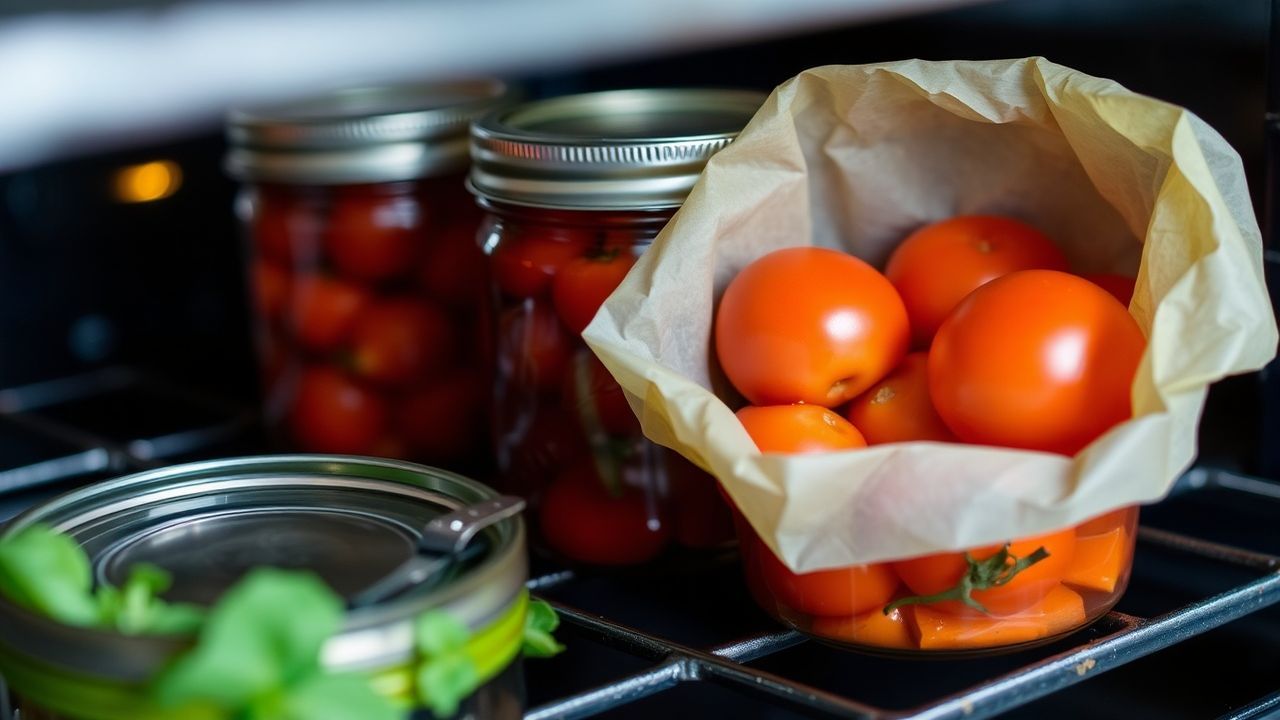

Oven canning tempts home cooks because it looks simple: fill jars, slide them into a hot oven, and wait. The method fails to deliver reliable, moist heat and can leave dangerous bacteria alive, so the shortcut carries real risk.
- Oven canning fails to replace moist heat processing required for safe shelf-stable preserves.
- Clostridium botulinum spores resist dry heat and survive uneven temperatures.
- Use tested methods: boiling water bath, pressure canning, or freezing for tomatoes.
- Always follow established, laboratory-tested recipes and processing times.
Why oven canning is risky
Oven canning uses dry heat and relies on air to transfer temperature to jar contents. That heat transfers unevenly through glass and air, so jars rarely reach and hold the internal temperature needed to inactivate harmful microbes.
Home preservation must address the risk from organisms like Clostridium botulinum, which produces a potent neurotoxin when spores survive and grow in anaerobic, low-acid conditions. Relying on an oven skips the moisture and precise temperature control that validated methods provide.
How heat, moisture and spores interact
Moist heat penetrates food faster and more uniformly than dry heat because steam transfers energy efficiently. That is why laboratory-tested canning procedures use boiling water baths or pressurized steam to ensure an internal, sustained temperature that kills vegetative cells and inhibits spore germination.
Pressure-based methods reach higher temperatures than boiling water alone. For reference on how high-temperature pressurized cooking works, consult principles used in pressure cooking. Those same thermodynamic principles apply when a pressure canner raises temperatures to neutralize heat-resistant spores.
Recipe snapshot
This piece keeps the original practical focus while replacing unsafe oven-canning advice with safe, tested alternatives. Use the snapshot to decide whether to water-bath can, pressure can, or freeze your tomatoes.
Below you’ll find a compact recipe framework, followed by a step-by-step safe processing method and preservation options. Follow each step exactly when canning for shelf storage.
Prep and Cook Time
Preparation: about 30 minutes to blanch, peel, and pack tomatoes for jars. Blanching loosens skins and speeds processing.
Canning time: processing in a boiling water bath usually runs 35–45 minutes per quart, depending on the tested recipe and altitude adjustments. Always follow the time specific to your jar size and recipe.
Yield
This recipe yields approximately 4 quart jars of packed tomatoes when using 8 pounds of ripe fruit. Yields vary by tomato size and packing style (crushed vs. whole).
Label jars with date and method. Properly processed jars will store safely at room temperature for 12–18 months when sealed and stored in a cool, dark place.
Difficulty level
Skill level: medium — beginners can succeed by following tested steps and tools exactly. The learning curve centers on jar handling, headspace control, and timing.
Key safety tasks include maintaining jar temperature before filling, measuring acidity, and ensuring complete seals. If you prefer fewer variables, freezing offers a lower-risk path.
Ingredients
8 pounds ripe tomatoes: wash, core, and blanch to remove skins. Use firm, fully ripe fruit for best flavor and yield.
Acidifier: add bottled lemon juice or citric acid per tested guidelines to ensure safe acidity for boiling water bath processing. Also gather canning jars, lids, rings, and a water-bath canner or pressure canner when needed.
Safe alternatives to oven canning
Do not use an oven to process jars for long-term, unrefrigerated storage. Instead, choose a validated method: boiling water bath canning for high-acid preparations, pressure canning for low-acid foods, or freezing for immediate, safe preservation.
Tomatoes sit on the border of high and low acid, so many tested recipes add acidifier to qualify for water-bath processing. For mixed-ingredient tomato products—like salsas—use a pressure canner to reach temperatures that kill spores reliably.
Water bath canning (when tomatoes are acidified)
Water bath canning uses boiling water to transmit moist heat evenly around jars. When diners need shelf-stable, acidified tomatoes, this method delivers consistent results if you follow tested processing times and headspace rules.
Use the exact acid amounts and processing time listed in extension service recipes. Small deviations in acidity or time undermine safety and can permit toxin formation.
Pressure canning (for low-acid mixes)
Pressure canning raises internal temperatures above boiling by using pressurized steam inside a sealed vessel. This higher heat kills heat-resistant spores that survive boiling water alone.
When preserving tomato mixtures with low-acid vegetables, meat, or thick sauces, rely on pressure canning and follow manufacturer and extension service instructions for dial or weighted gauge operation.
Freezing and refrigerated preservation
Freezing preserves flavor and nutrients without the spore risk associated with shelf-stable canning. Blanch and cool tomatoes, then pack and freeze promptly for best texture on thawing.
For refrigerator storage, process in small batches intended for short-term consumption. Refrigeration slows microbial growth but does not sterilize; consume refrigerated preserves quickly.
Step-by-step: Safe water bath canning tomatoes
Follow a laboratory-tested recipe. These steps summarize common best practices for home water-bath canning of acidified tomatoes. Adjust processing times for altitude per extension guidelines.
Before starting, inspect jars for cracks and use new lids. Replace lids after a single use to ensure a dependable seal.
- Sterilize jars: boil empty jars for 10 minutes or run through a hot dishwasher cycle. Keep jars hot until filling.
- Prepare tomatoes: blanch 30–60 seconds, cool in ice water, peel, core, and pack according to recipe (whole, crushed, or juice).
- Acidify: add the exact amount of bottled lemon juice or citric acid per jar specified by tested guidelines to reach safe acidity.
- Fill and headspace: pack tomatoes leaving 1/2-inch headspace for quarts. Remove air bubbles and wipe jar rims clean.
- Apply lids and process: place lids and rings fingertip-tight, lower jars into boiling water canner with at least 1-inch cover, and process for the full validated time.
- Cool and check seals: cool jars 12–24 hours undisturbed. Confirm seals and label jars with date and contents.
Tips, common mistakes and expert guidance
Avoid assumptions: oven temperature settings do not guarantee internal food temperatures or equal heat distribution inside jars. That gap is why validated methods exist.
Measure acidity and time precisely. Do not substitute fresh-squeezed lemon juice unless the recipe specifically allows it, because acidity levels vary and affect safety margins.
Keep processing records. Note the recipe, jar size, processing time, and altitude adjustments. This practice helps you repeat safe results and troubleshoot problems.
Serving suggestions and storage
Use properly processed jars for sauces, stews, and braised dishes. After opening, refrigerate and use within 3–5 days for best quality. Discard any jar that shows bulging lids, off-odors, or unexpected cloudiness.
Store sealed jars in a cool, dark place. Label jars with production date and rotate older jars to the front of your pantry to maintain freshness.
FAQ
Is oven canning the same as water bath canning?
No. Oven canning uses dry heat and cannot deliver the moist, uniform heat that boiling water provides. Dry heat penetrates glass and food unevenly, which can leave pathogens viable inside jars.
Refer to guidance on canning (food preservation) to understand why tested, moisture-based methods protect consumers.
Can botulism grow in home-canned tomatoes?
Yes. If processing does not achieve safe acidity and internal temperature, C. botulinum spores can germinate and produce toxin in sealed, anaerobic jars.
That is why recipes require specified acidifiers and processing times, especially where tomatoes are borderline in acidity or when mixed with low-acid ingredients.
Are there safe ways to sterilize jars other than boiling?
Yes. You can run jars through a dishwasher sanitize cycle or boil them. Some authorities allow low-heat oven sterilization for empty jars, but oven sterilization does not replace a validated processing step for filled jars.
Always follow the steps in established protocols and use fresh lids for each canning session to ensure a reliable seal.
When should I use a pressure canner instead of a water bath?
Use a pressure canner for tomato mixtures that include low-acid ingredients such as vegetables, meat, or thick sauces. The higher temperatures reached under pressure inactivate heat-resistant spores.
If your recipe deviates from a tested water-bath recipe or includes ingredients that lower acidity, switch to pressure canning to maintain safety.
Where can I find reliable, tested recipes?
Use sources that publish science-based, lab-tested canning recipes—university extension services and recognized food preservation manuals. These sources publish time, acidity, and altitude adjustments that have undergone validation.
For botanical context, consult general tomato information on Tomato and for broad safety principles see Food safety.
See also: Oven canning