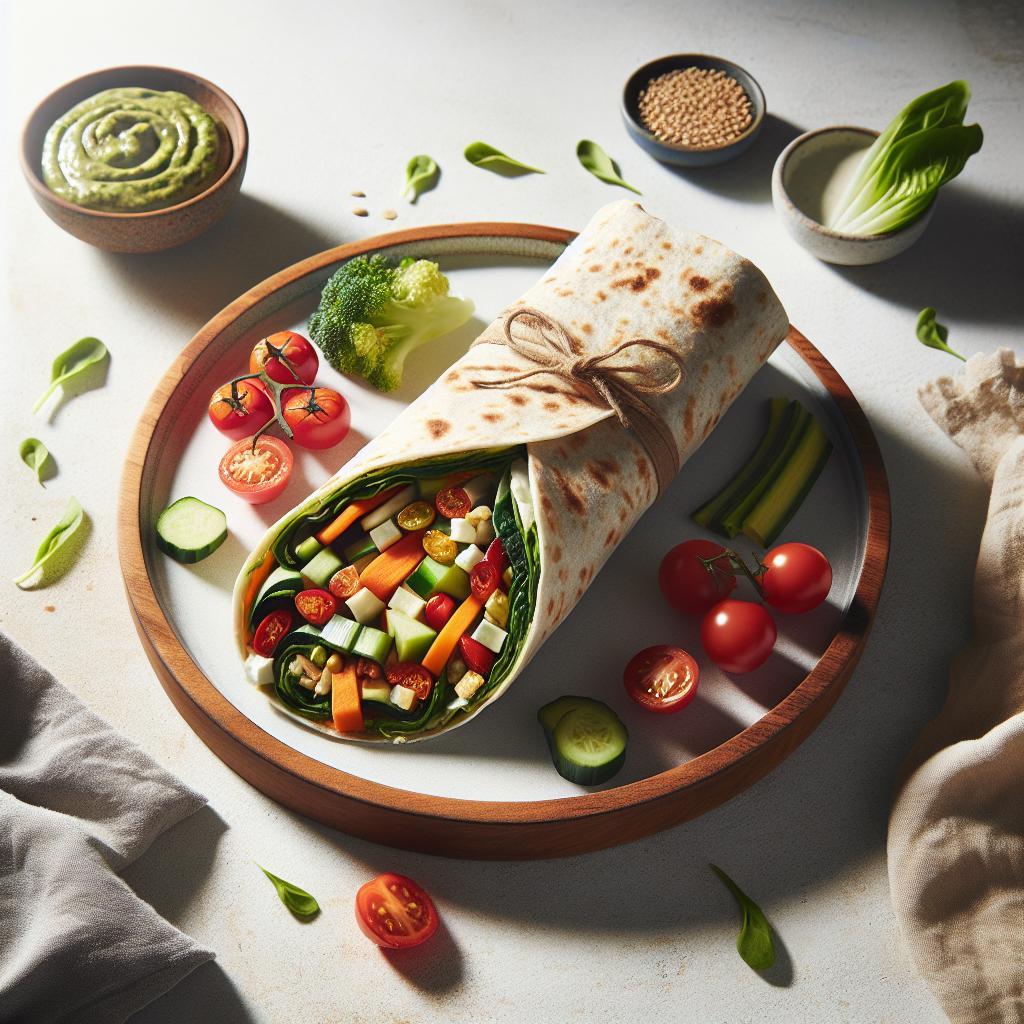

Wrap Up Freshness highlights practical techniques for bright, portable veggie wraps that perform in taste and texture. These instructions focus on ingredient choice, smart layering, and quick assembly so each bite stays crisp and balanced.
- Quick assembly: warm tortillas and prepped fillings speed build time.
- Layer smart: use grains or spreads as moisture barriers to avoid sogginess.
- Balance textures: combine crunchy, creamy, and leafy components for satisfying bites.
Prep and Cook Time
Preparation: 15 minutes, Assembly: 5 minutes, Total: 20 minutes. This timing assumes vegetables pre-washed and grains pre-cooked.
You can shave minutes by preparing quinoa and slicing vegetables the night before. Keep components refrigerated in sealed containers until assembly to preserve crispness.
Yield
This recipe yields 4 hearty wraps when using large tortillas and generous fillings. Plan for one wrap per adult as a main lunch portion or two smaller wraps per person as a light meal.
If you use collard leaves or smaller tortillas, adjust portions and expect slightly different yields. Use a kitchen scale or measuring cups for consistent calorie and protein tracking.
Difficulty Level
Easy. The technique emphasizes straightforward layering and rolling, so cooks at any level can produce a polished result quickly.
Mastering a tight roll takes a little practice, but the recipe avoids advanced cooking methods. Most work uses raw or simply cooked components, keeping steps efficient and repeatable.
Ingredients
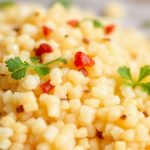
Use four large whole wheat or spinach tortillas as the base for structure and flavor. For grain texture add 1/2 cup cooked quinoa per wrap and load vegetables like shredded purple cabbage, julienned carrots, and sliced red bell peppers.
Include creamy elements such as sliced avocado and optional crumbled feta or tofu for richness. Finish with fresh herbs, roasted seeds, salt, and pepper to taste.
Ingredient Notes
Wrap choice: classic flour or whole wheat tortillas provide pliability and hold. For a gluten-free or low-carb option try large collard leaves instead of tortillas.
Protein & texture: add plant proteins like chickpeas, lentils, or tempeh for a satisfying mouthfeel. Keep dressings light to avoid overpowering primary vegetable flavors.
Instructions
Lay each tortilla flat and warm it briefly on a dry skillet for 15–20 seconds per side to increase flexibility. Warming reduces tearing and makes rolling tighter for transportable wraps.
Spread 1–2 tablespoons of your chosen sauce within a 1-inch margin of each tortilla to prevent leaks. Then layer grains, greens, crunchy vegetables, creamy elements, herbs, and seeds in that order for both flavor and moisture control.
Step-by-step Assembly
Start with sauce placement to anchor ingredients. Next, place a thin layer of cooked quinoa or hummus to create a barrier between wet and dry components.
Arrange leafy greens and grains evenly across the center third of the tortilla. Stack colorful vegetables in strips so every slice shows balanced color and texture.
Rolling Technique
Fold the short sides inward, then roll tightly from the long edge to form a compact cylinder. Secure with a toothpick or wrap in parchment paper for transport and structural support.
Cut diagonally to reveal the cross-section and make the wrap easier to handle. For meal prep, wrap tightly and refrigerate; consume within 24 hours for best texture.
Chef’s Notes and Tips for Success
Layering is functional: using grains like quinoa helps separate wet ingredients from greens. This slows wilting and keeps the wrap crisp longer.
Choose spreads that add body and act as moisture barriers—hummus and avocado work well as base layers. Use modest amounts to avoid soggy pockets while preserving flavor.
Serving Suggestions
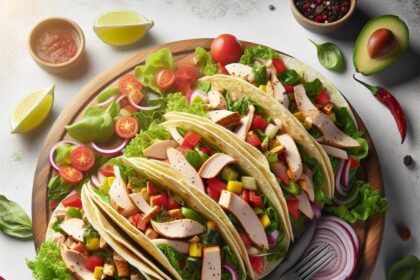
Cut wraps on the diagonal to improve presentation and ease of eating. Garnish with lime wedges and extra herbs to refresh the palate between bites.
Serve alongside light dips such as tzatziki-style yogurt or a herbed vinaigrette to add dipping contrast. Offer raw veggie sticks to maintain a colorful and textural board for sharing.
Creative Sauce and Spread Ideas
Rotate spreads to change the profile: roasted red pepper hummus, creamy avocado-cilantro mayo, chili-tahini, or herbed yogurt all pair well. Each spread shifts the wrap from Mediterranean to spicy or tangy styles.
Experiment with concentrated flavors sparingly; concentrated spreads deliver big taste with minimal moisture. Consider a small spoon of sun-dried tomato pesto for an umami boost or a drizzle of lemon-garlic for brightness.
Nutrition
The composition balances carbohydrates from tortillas and vegetables, plant protein from quinoa and seeds, and healthy fats from avocado and seeds. Typical per-wrap totals vary by portion size and optional ingredients like cheese.
For consistent tracking, measure cooked quinoa and avocado portions. Use the nutrition table below as a practical baseline and adjust based on specific ingredient brands and sizes.
| Nutrition Per Wrap | Calories | Protein | Carbs | Fat |
|---|---|---|---|---|
| Whole Wheat Tortilla Base | 130 | 4g | 22g | 3g |
| Vegetables & Quinoa | 120 | 5g | 20g | 2g |
| Avocado & Seeds | 150 | 3g | 8g | 13g |
| Feta (optional) | 50 | 4g | 1g | 4g |
| Total Per Wrap | 450 | 16g | 51g | 22g |
Storing and Meal Prep
Prepare ingredients in advance: wash and slice veggies, cook grains, and portion spreads into airtight containers. Store components separately and assemble wraps just before eating for maximum texture retention.
If you must assemble ahead, wrap each tightly in parchment and refrigerate for up to 24 hours. Consume sooner for the best mouthfeel and to avoid soggy leaves.
Safety & Allergy Tips
Keep perishable components chilled below 40°F (4°C) and discard wraps left at room temperature for more than two hours. Use clean utensils to avoid cross-contamination when handling allergens like nuts, dairy, or sesame.
Label make-ahead containers with preparation date and ingredient flags for common allergens. Offer clear substitution options for guests with dietary restrictions to simplify safe serving.
FAQ
Q: What vegetables keep best in a wrap?
Crunchy, low-moisture vegetables like carrots, cabbage, and bell peppers keep well and add texture. Avoid thin-sliced tomatoes unless you use a protective layer like hummus beneath them.
Q: How can I boost plant protein in a veggie wrap?
Add cooked legumes such as chickpeas or lentils, or include firm tofu and tempeh for higher protein content. Seeds and a modest scoop of quinoa further increase protein and yield a fuller mouthfeel.
Q: Which wraps offer the best structure?
Whole wheat and flour tortillas typically provide the best combination of flexibility and strength. For grain-free options, large collard leaves or rice papers work but require careful rolling technique.
Q: Can I freeze assembled veggie wraps?
Freezing is not recommended for raw-vegetable wraps because ice crystals will degrade texture on thaw. If you must freeze, choose cooked fillings and remove fresh greens before freezing, then add them after thawing.
Q: What is a simple beginner recipe to test this method?
Spread hummus on a warm tortilla, add spinach, shredded carrots, sliced bell pepper, cooked quinoa, and avocado. Roll tightly and slice; serve immediately for best results.
Final Notes
Veggie wraps shine when you plan for texture and moisture control. Use a grain or spread as a moisture barrier and aim for colorful layering to keep bites interesting.
Reference core ingredients to learn more about their culinary roles: read about tortillas, quinoa, avocado, and hummus for background on ingredients and techniques.

See also: veggie wraps