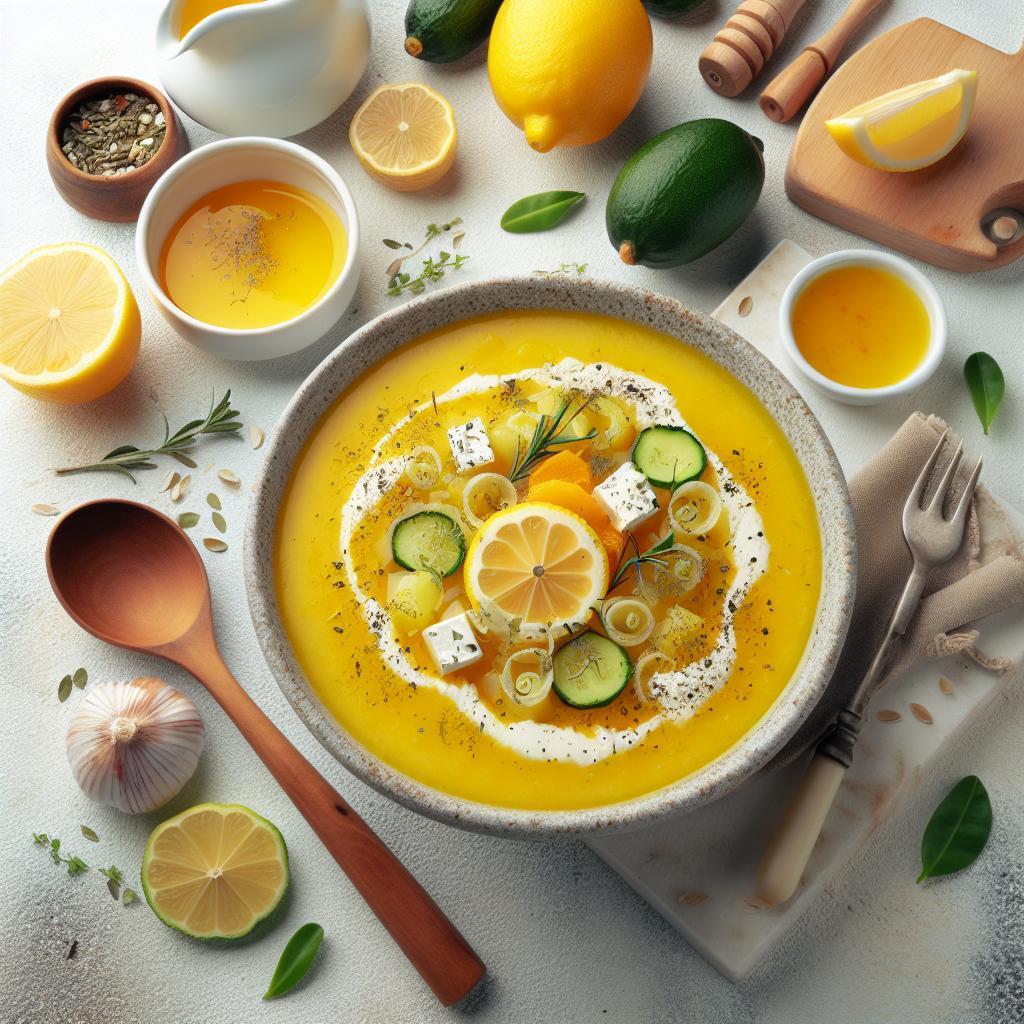

Zesty Greek Lemon Soup balances silky eggs, fragrant broth, and bright citrus for a comforting yet lively bowl. The classic Greek preparation, Avgolemono, uses simple technique to transform modest ingredients into layered flavor.
- Ready in 35 minutes: fast weeknight dinner or elegant starter for four.
- Versatile base: swaps for vegetarian, gluten-free, or protein-forward versions.
- Silky texture: tempering technique prevents curdling while creating a creamy mouthfeel.
Prep and Cook Time
Preparation: 10 minutes. Cooking: 25 minutes.
The total time comes to roughly 35 minutes for a straightforward approach that keeps the soup bright and fresh. Having lemons freshly squeezed and the eggs at room temperature speeds the process.
Yield
Serves 4 hearty portions when paired with a simple salad or crusty bread. The recipe scales easily: increase broth and orzo proportionally for additional servings.
Leftovers keep well refrigerated for 2 days if you hold off on combining the egg-lemon mix until reheating. Rewarm gently to keep the texture silky.
Difficulty Level
Easy. The most technical step is tempering the egg-lemon emulsion so it does not curdle when added to hot broth.
For cooks comfortable whisking and monitoring heat, Avgolemono is an accessible technique that rewards attention to temperature and timing.
Key Ingredients That Elevate the Brightness and Comfort
Quality ingredients amplify the soup’s bright profile. Use fresh lemons, good stock, and the grain—either orzo or rice—that suits your texture preference.
For background on the regional context and culinary history, see Avgolemono soup and the broader traditions of Mediterranean cuisine.
Essential Ingredients
4 cups chicken broth — homemade or high-quality store-bought. A richer stock yields better depth without extra fat.
1/2 cup orzo or long-grain rice — orzo produces a silkier mouthfeel; long-grain rice gives more substance. Learn more about orzo texture at Orzo.
- 3 large eggs — at room temperature for easier emulsification.
- Juice of 2 large lemons (about 1/3 cup) — freshly squeezed.
- 1 teaspoon sea salt, plus pepper to taste.
- 2 tablespoons extra virgin olive oil for finishing.
- Fresh dill or parsley for garnish (optional).
Ingredient Substitutes and Notes
For a vegetarian variation, use a concentrated vegetable stock in place of chicken broth. The soup retains brightness but gains an herbaceous base.
If you avoid gluten, choose certified gluten-free rice or small gluten-free pasta instead of orzo. For context about lemons and their flavor compounds, see Lemon.
Step by Step Guide to Achieving the Perfect Tangy Balance
The technique centers on creating a stable egg-and-lemon emulsion and integrating it gently into hot broth. Avoid boiling after the emulsion is added: heat must be low to protect texture.
Work methodically: cook the grain, whisk the eggs and lemon, temper with hot broth, and finish slowly. Each step builds the final silkiness and tempered acidity.
- Bring the broth to a gentle boil in a medium saucepan over medium-high heat.
- Add the orzo or rice and simmer uncovered for 8–10 minutes, or until tender but still slightly firm. Stir occasionally.
- Whisk eggs briskly in a bowl until frothy. Gradually add the lemon juice while whisking to form a smooth pale mixture.
- Temper the egg-lemon mixture by slowly ladling about 1 cup of hot broth into the bowl while whisking constantly. This raises the eggs’ temperature safely.
- Reduce heat to low. Stir the tempered mix back into the pot and heat gently for 3–5 minutes without boiling, stirring until the soup thickens slightly.
- Season and finish with salt, black pepper, and a drizzle of olive oil. Remove from heat and let rest a minute before serving.
Tempering Technique
Tempering prevents curdling by equalizing temperatures between eggs and hot liquid. Move slowly and whisk continuously for a smooth emulsion.
Do not return the pot to high heat after adding the eggs. Maintain a barely warm temperature to keep the custard-like texture intact.
Allow the soup to rest off heat for a minute so the protein structure stabilizes. This also lets flavors meld without aggressive heat.
Chef’s Notes: Tips for Success
Small details change results: eggs at room temperature emulsify more smoothly, and fresh lemon juice delivers cleaner acidity than bottled varieties.
Use extra virgin olive oil at the end to add fruit-forward richness without masking lemon clarity. Adjust salt after the lemon to balance the acidity precisely.
Troubleshooting & Texture
If the soup separates, remove from heat and whisk in a tablespoon of cold liquid slowly to help re-emulsify. If separation persists, blend briefly off heat at low speed.
For a thicker texture, increase the grain slightly or cook an extra minute before adding the egg-lemon emulsion. For a lighter bowl, use more broth and less grain.
Creative Variations to Customize Your Lemon Soup Experience
Avgolemono adapts well. Add shredded chicken for a classic hearty version or toss in greens at the end for color and nutrients.
Try Mediterranean herbs like dill, oregano, or mint. A dusting of smoked paprika or a few red pepper flakes gives an aromatic contrast to the citrus brightness.
- Herbed Delight: Stir in fresh dill just before serving for a bright, herbal lift.
- Protein Boost: Add shredded cooked chicken, white beans, or chickpeas for extra substance.
- Greens Addition: Toss baby spinach or chard in during the last minute to wilt gently.
- Vegan Approach: Use aquafaba and a rich vegetable stock to simulate the emulsion for plant-based diets.
Serving Suggestions
Serve the soup in white bowls to let the golden hue stand out. Finish with a small herb sprig and a drizzle of olive oil for visual contrast.
Pair with crusty bread, flatbreads, or a crisp Greek salad for a balanced meal. A squeeze of extra lemon at the table lets diners tweak tanginess to taste.
| Nutrient | Per Serving |
|---|---|
| Calories | 180 kcal |
| Protein | 9 g |
| Carbohydrates | 20 g |
| Fat | 6 g |

Q&A
The following quick answers address common questions cooks ask when preparing Avgolemono at home.
Short, actionable answers help you adjust flavor, texture, and timing without guesswork.
Q: What makes Zesty Greek Lemon Soup stand out from other lemon soups?
A: The egg-lemon emulsion gives Avgolemono its distinctive silkiness. The balance of bright citrus and savory stock differentiates it from simpler broths.
Q: How do I keep the lemon flavor from overwhelming the soup?
A: Add lemon juice gradually and taste as you go. The eggs and oil mellow acidity; adjust salt after lemon to find harmony.
Q: Can I prepare components ahead of time?
A: Yes. Cook the broth and grain in advance, refrigerate, and temper the egg-lemon mix fresh when reheating for service.
FAQ
Is Avgolemono the same as other lemon soups?
No. Avgolemono uses an egg-based emulsion that creates a creamy texture without cream, setting it apart from thin lemon broths.
Can I use store-bought broth?
Yes. Choose a high-quality chicken or vegetable broth to ensure a clean base; homemade stock adds depth but is not required.
Will the eggs cook if I temper them?
Tempering raises the eggs’ temperature slowly, which cooks them gently into a custard-like state without scrambling.
How do I store leftovers?
Refrigerate the soup in an airtight container for up to 2 days. Reheat gently and, if separated, whisk in a small cold liquid to re-emulsify.
What herbs pair best with this soup?
Dill and parsley complement the lemon without overpowering it. Mild oregano and mint work in small amounts for a fresher profile.
For culinary context about this soup and the Mediterranean tradition it belongs to, refer to Avgolemono soup and the role of citrus in Mediterranean kitchens via Mediterranean cuisine. For ingredient details on lemon and pasta types, see Lemon and Orzo.
See also: Lemon Soup