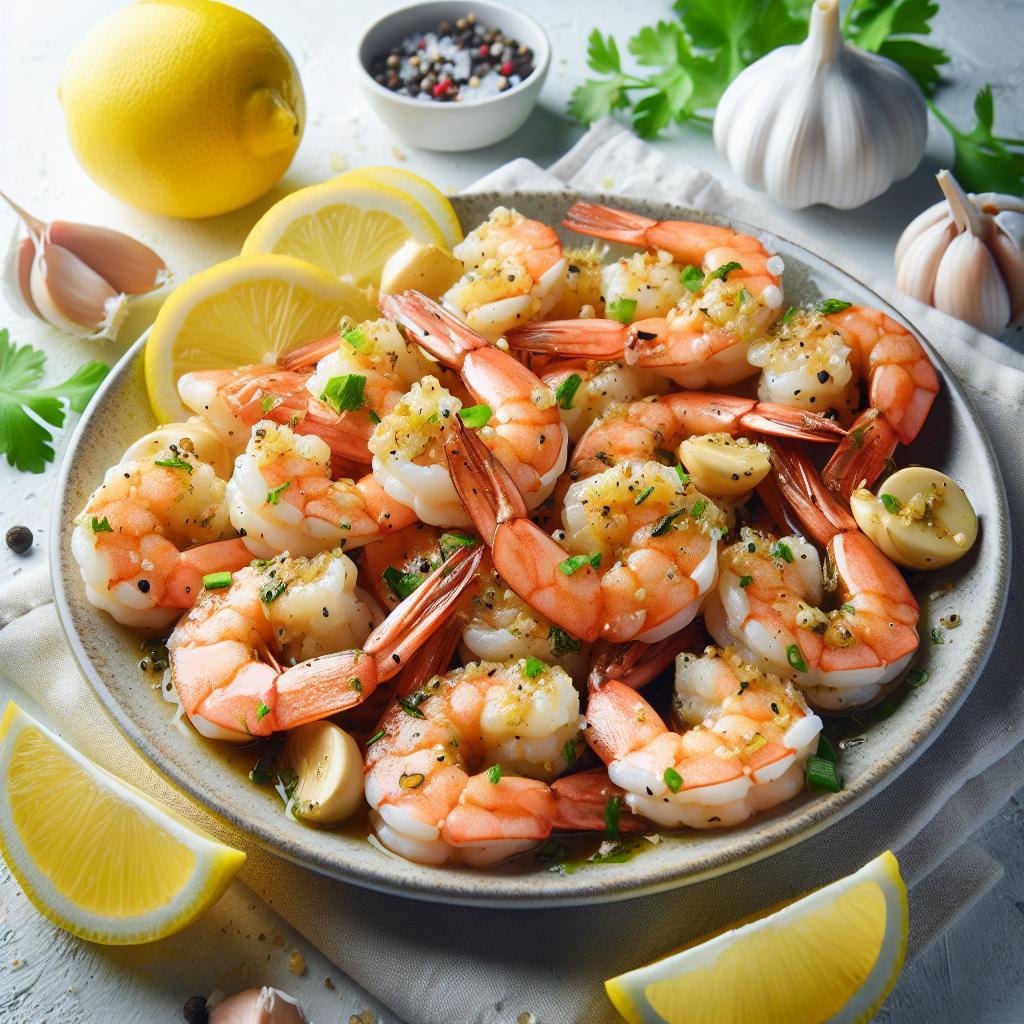

Zesty Lemon Shrimp lifts plump shrimp with bright lemon and fragrant garlic for a quick skillet dish that focuses on sear, timing, and balanced acidity. The Lemon Shrimp technique keeps shrimp tender while building a glossy sauce in under 20 minutes.
- Ready in 18 minutes: fast prep and one-pan cooking.
- Hot sear, quick finish: locks juices and prevents rubbery texture.
- Versatile pairings: serves with pasta, couscous, or salad for flexible meals.
- Diet swaps: tofu or mushrooms work for plant-forward options.
Lemon Shrimp: Overview and Flavor Profile
This Lemon Shrimp recipe balances acid, fat, and aromatics to highlight the natural sweetness of shrimp. Use fresh lemon zest and juice with finely minced garlic for layered flavor and a bright finish.
The method draws on coastal Mediterranean techniques that privilege quick cooking and bold citrus notes. For background on those regional methods see Mediterranean cuisine and how rapid heat preserves seafood texture.
Prep and Cook Time for Lemon Shrimp
Preparation: 10 minutes. Cooking: 8 minutes. Total time assumes peeled, deveined shrimp ready to cook. Keep ingredients pre-measured to maintain this schedule.
If shrimp require thawing, allow overnight in the refrigerator or use a cold-water bath for a quicker option. Proper thawing reduces excess surface moisture and promotes a clean sear.
Yield
Serves 4 as a main when paired with a side such as pasta or a green salad. Plan on roughly 1 lb (450 g) of large shrimp for four people.
To scale, double the shrimp and cook in batches to avoid pan overcrowding. Overcrowding leads to steaming rather than searing and dilutes flavor concentration.
Difficulty Level
Rated Easy for cooks comfortable at the stovetop. The key technique is timing: shrimp cook fast and need attentive handling for peak texture.
Beginners succeed by pre-measuring ingredients and using a reliable timer or thermometer. Aim for shrimp that read 120–140°F internally for a tender finish.
Ingredients
Core ingredients:
- 1 lb large shrimp, peeled and deveined
- 3 tbsp extra virgin olive oil
- 4 cloves garlic, minced
- 1 large lemon, zest and juice separated
- 1/4 tsp red pepper flakes (optional)
- Salt and black pepper, to taste
- 2 tbsp fresh parsley, chopped
- 1 tbsp unsalted butter (optional)
- Fresh lemon wedges, for serving
For context on the ingredient profile of shrimp consult the broader entry on shrimp. That overview explains species differences and typical culinary handling.
Ingredient notes and substitutions
Use extra virgin olive oil for its fruity backbone and compatibility with medium-high searing. If you prefer a higher smoke point, refined avocado oil works well.
For dairy-free cooking, omit the butter and finish with a touch more olive oil. For a vegetarian option, swap marinated firm tofu or king oyster mushrooms for shrimp and maintain the lemon-garlic treatment.
Instructions
Follow these steps in order to get a clean sear and balanced sauce. Prep all ingredients before turning on the heat so cook times remain short and precise.
- Prepare the shrimp: Rinse quickly under cold water and pat very dry with paper towels to remove surface moisture.
- Heat the pan: Warm a large skillet over medium-high heat and add the oil until it shimmers, avoiding smoking.
- Sauté garlic: Add minced garlic and red pepper flakes and stir 20–30 seconds until fragrant; remove from heat if garlic colors too fast.
- Sear the shrimp: Place shrimp in a single layer and cook 2–3 minutes on the first side until pink and edges lift from the pan.
- Flip and season: Turn shrimp, season with salt, pepper and lemon zest, and cook 1–2 minutes until opaque through the center.
- Finish: Add lemon juice and butter, swirl briefly for a glossy sauce, then remove from heat and stir in parsley.
- Serve: Transfer to a warm plate and garnish with lemon wedges for added brightness.
Timing and doneness details
Shrimp cook rapidly; total pan time usually runs 5–6 minutes. Use this visual cue: when shrimp turn uniformly pink and curl into a loose “C” they are done.
Avoid a tight “O” curl, which signals overcooking. Rest shrimp off heat for 30 seconds to lock in juices before plating.
Tips for Success with Lemon Shrimp
Buy fresh or fully thawed shrimp to reduce excess water that dilutes flavor and prevents a proper sear. Pat shrimp dry before they hit the pan for better browning.
Do not overcrowd the skillet; cook in batches if necessary so each piece gets direct contact with the hot surface. Searing requires space—touching shrimp will create steam, not caramelization.
For extra brightness, add a teaspoon of lemon juice right before serving rather than adding all the juice during cooking. Fresh acidity revives the sauce and sharpens contrasts.
Use freshly minced garlic rather than jarred for cleaner, sharper flavor that pairs well with citrus. Fresh garlic gives a brighter top note that elevates the shrimp.
Salt in stages: season lightly before searing, then adjust at the end. Layered seasoning gives a balanced final taste compared with a single heavy dose.
Serving Suggestions for Lemon Shrimp
Serve the lemon-garlic sauce over garlic butter pasta, fluffy couscous, or a crisp green salad to balance the bright sauce. Choose a side that soaks up the jus without overpowering the shrimp.
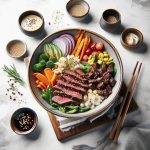
For a Mediterranean-style plate offer roasted vegetables and crusty bread to mop up the sauce. Garnish with parsley or chopped herbs for color and herbal lift.
Nutritional Snapshot
The recipe delivers lean protein with modest fat when prepared with olive oil. A typical serving yields about 210 kcal with a protein-rich profile.
Values vary with brands and portions; this estimate assumes 1 tbsp butter split across four servings and a standard 1 lb shrimp portion. Adjust nutrients by swapping ingredients like butter or oil.
Further Reading and Context
For deeper technical background on garlic and how heat alters its compounds see the article on garlic. That page explains varietal differences and flavor chemistry.
To learn more about lemon varieties and zest usage consult lemon. For oil choices and smoke point considerations see olive oil.
Q&A
What makes Lemon Shrimp stand out?
The combination of bright citrus and toasted garlic amplifies the shrimp’s natural sweetness. Quick searing traps moisture while the lemon lifts the finished sauce.
How do I achieve perfect shrimp texture?
Temperature and timing are decisive: use a hot skillet, avoid overcrowding, and remove shrimp the moment they curl into a loose C. Rest briefly to retain juiciness.
Can I customize Lemon Shrimp for dietary needs?
Yes. Omit butter for a dairy-free finish and use oil-only. For vegetarian adaptations swap tofu or king oyster mushrooms and follow the same lemon-garlic technique.
What sides pair best with Lemon Shrimp?
Light sides like couscous, simple pasta, or roasted vegetables complement the dish without masking the shrimp. Crusty bread helps capture the lemon-garlic jus.
How can I make Lemon Shrimp ahead for weeknights?
Keep pre-peeled, deveined shrimp in the refrigerator or freezer and pre-mix chopped garlic and zest. Finish in a single hot skillet for a fresh, fast dinner.
Final Serving Notes
This Lemon Shrimp approach pairs speed with technique to produce a restaurant-style plate from a home kitchen. With consistent pan heat, timed searing, and fresh citrus you get tender shrimp and concentrated flavor.
Store leftover cooked shrimp covered in the refrigerator for up to 48 hours and reheat briefly to preserve texture. For additional shrimp recipes and related guides see our internal collections: best weeknight shrimp recipes and garlic basics.

See also: Browse our Lemon Shrimp tag for variations and side ideas.
See also: Lemon Shrimp