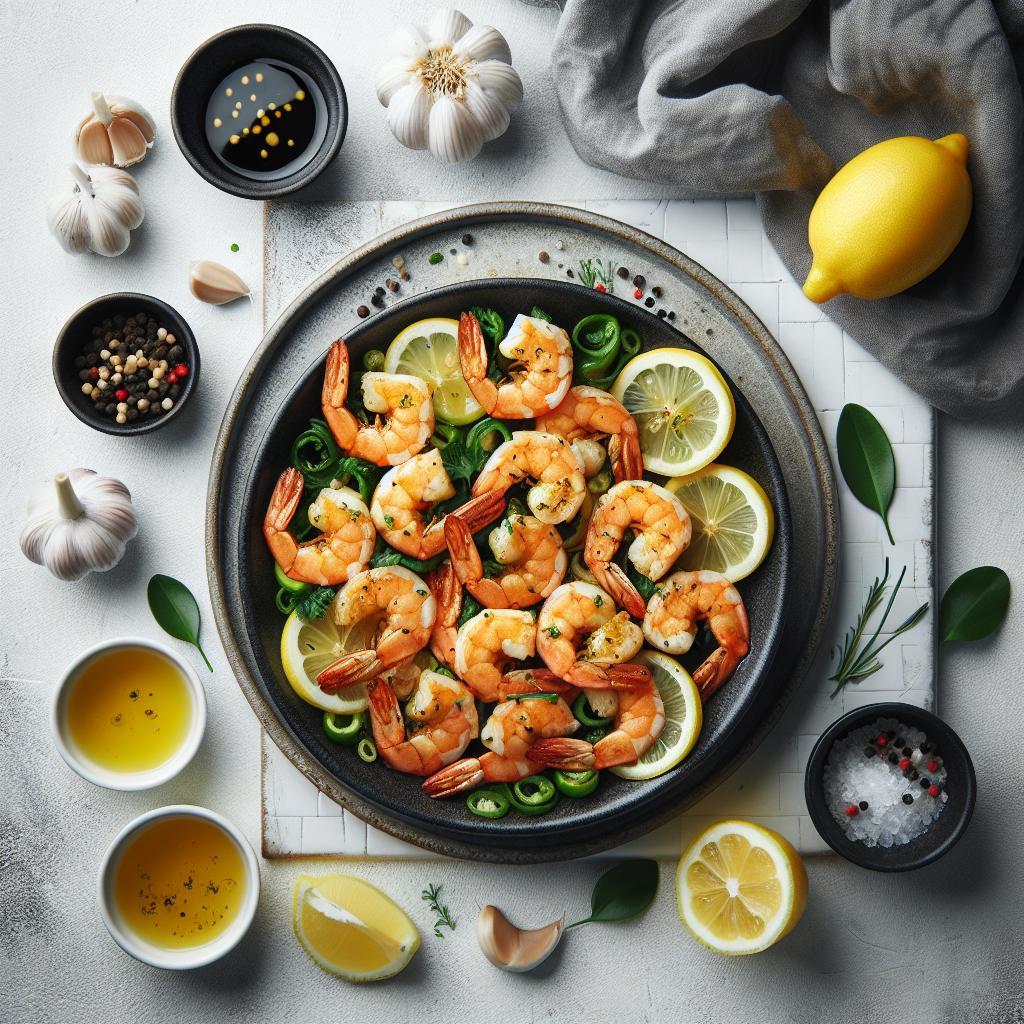

Lemon Shrimp turns pantry staples into a bright, restaurant-quality dinner in under 20 minutes. This Lemon Shrimp method sears quickly, locks in moisture, and finishes with a punch of citrus and garlic for a clean Mediterranean flavor.
- Lemon Shrimp Flavor Profile and Ingredient Selection
- Prep and Cook Time for Lemon Shrimp
- Yield, Difficulty, and Scaling Lemon Shrimp
- Step-by-Step Preparation Tips for Perfect Lemon Shrimp
- Cookware and Technique Notes for Lemon Shrimp
- Creative Serving Suggestions for Lemon Shrimp
- Pairing Sides and Beverages with Lemon Shrimp
- Nutrition and Portioning for Lemon Shrimp
- Chef’s Notes and Pro Tips for Lemon Shrimp
- Advanced Technique Notes for Lemon Shrimp
- Serving Timing and Presentation for Lemon Shrimp
- Future Outlook: Why Lemon Shrimp Works
- FAQ
- Ready fast: Total time about 18 minutes—perfect weeknight fare.
- Big flavor: Lemon and garlic cut through richness for a lively, balanced plate.
- Flexible: Works as a main, appetizer, or salad topper with easy side swaps.
- Reliable technique: Hot-pan sear, short cook time, and a finish of lemon and butter.
Lemon Shrimp Flavor Profile and Ingredient Selection
Lemon Shrimp blends bright citrus, assertive garlic, and a touch of fat for mouthfeel. The overall profile leans Mediterranean: clean acidity, savory aromatics, and fresh herbs to finish.
Select shrimp with firm texture and a clean ocean scent. Frozen, properly thawed shrimp perform well when patted dry prior to cooking.
Fresh lemon zest and juice drive brightness; use a microplane for fine zest to avoid the bitter pith. Read more on the citrus at lemon.
Garlic provides the savory backbone; raw minced garlic is pungent while lightly sautéed garlic mellows and sweetens. Learn about garlic varieties and handling at garlic.
Ingredient Checklist for Lemon Shrimp
1 lb large shrimp (16–20 count), peeled and deveined; 3 tbsp extra-virgin olive oil; 4 garlic cloves, finely minced; 1 large lemon for zest and juice; ½ tsp crushed red pepper flakes optional; 2 tbsp fresh parsley chopped; salt and freshly ground black pepper; 1 tbsp unsalted butter optional for finish.
Use a good-quality olive oil for flavor and searing efficiency. For context on oil types, see olive oil.
Prep and Cook Time for Lemon Shrimp
Preparation: About 10 minutes. Pat shrimp dry, zest and juice the lemon, and mince garlic before heating the pan.
Cooking: 7–8 minutes. Sear 2–3 minutes per side and finish with lemon and butter. Total active time stays near 18 minutes when you keep mise en place tidy.
Yield, Difficulty, and Scaling Lemon Shrimp
Yield: Serves 4 as a main or 6 as an appetizer. Portions scale linearly; cook in batches to preserve a proper sear on each shrimp.
Difficulty: Easy. The recipe depends on heat control and timing rather than advanced technique, making it accessible for cooks of all levels.
Step-by-Step Preparation Tips for Perfect Lemon Shrimp
Pat the shrimp dry with paper towels to prevent steaming and encourage a golden sear. Moisture on the surface converts to steam and reduces browning.
Heat 3 tablespoons of extra-virgin olive oil over medium-high until it shimmers, then add the shrimp in a single layer. A hot pan gives immediate contact sear that locks in juices and builds flavor through Maillard browning.
Add minced garlic for about 30 seconds until fragrant but not browned. Spread the shrimp so they don’t touch; overcrowding causes steaming, not searing.
Cook shrimp 2–3 minutes on the first side without moving, flip, then add lemon zest and a splash of lemon juice. Finish with crushed red pepper if using and cook until opaque and curled into a loose C-shape.
Stir in 1 tablespoon unsalted butter at the end for a silky glaze that coats the shrimp. Finish with chopped parsley, a pinch of salt, and freshly ground black pepper to taste.
Cookware and Technique Notes for Lemon Shrimp
Use a heavy-bottomed skillet or cast-iron pan for consistent heat and even browning across batches. Thin pans cool when crowded, which lowers sear quality.
Cast-iron performance and care are covered at cast-iron skillet. Preheat the pan first, then add oil; when the oil shimmers, add shrimp in a single layer.
Work in small batches to avoid crowding; rest finished shrimp on a warm plate while finishing remaining batches. Combine shrimp briefly at the end to marry flavors before serving.
Creative Serving Suggestions for Lemon Shrimp
Serve Lemon Shrimp over herb-infused couscous, creamy garlic-parmesan polenta, or a bed of baby greens to catch the sauce. For a lighter plate, toss shrimp with arugula, cherry tomatoes, and a lemon vinaigrette.
For appetizers, skewer shrimp or present them on tasting spoons with microgreens and a drizzle of chili oil. Garnish with lemon wedges and extra herbs such as basil or dill for aroma and color.
See related recipes and ideas on our site: Lemon Shrimp tag and the main collection at CookHarvest.
Pairing Sides and Beverages with Lemon Shrimp
Pair with light, crisp sides like roasted asparagus, Mediterranean-style quinoa salad, or sautéed spinach with lemon zest. These echo the shrimp’s brightness without overwhelming the palate.
Choose a cold, herbal white wine such as Sauvignon Blanc, or a non-alcoholic sparkling lemonade with fresh mint. Both mirror the citrus-herb profile while cleansing the palate between bites.
Leftovers store well for a short window—refrigerate in an airtight container and consume within 24–48 hours depending on freshness at purchase. Reheat briefly and avoid microwave overcooking to retain texture.
Nutrition and Portioning for Lemon Shrimp
The recipe yields roughly 220 kcal per serving with about 30 g protein, making Lemon Shrimp a protein-forward, low-carb option. Fat comes mainly from olive oil and a touch of butter if used.
Adjust oil and butter quantities to match dietary goals. Shrimp provide concentrated protein and a favorable omega-fatty-acid profile compared to many meats when prepared simply.
Chef’s Notes and Pro Tips for Lemon Shrimp
Shrimp size: Larger shrimp (16–20 count) deliver meatier bites; smaller shrimp cook faster and may need a reduced time to avoid overcooking.
Make ahead: Marinate shrimp in lemon zest, garlic, and olive oil for up to 30 minutes to intensify flavor. Avoid extended acid marination, which starts to denature proteins and alters texture.
Advanced Technique Notes for Lemon Shrimp
For maximum flavor, brown quickly at high heat and finish with a low-heat glaze. The brief high-heat contact creates caramelized notes; the finish with lemon and butter balances that richness.
If you’re cooking for a crowd, time batches so finished shrimp rest briefly on a warm tray. Bring all batches together in the final pan for 30–45 seconds to marry flavors and reheat gently before serving.
Serving Timing and Presentation for Lemon Shrimp
Serve Lemon Shrimp immediately off the stovetop for best texture; the sauce clings to hot shrimp and leaves a glossy finish. Offer lemon wedges and extra chopped parsley so guests can adjust brightness.
For dinner parties, pre-measure and arrange ingredients (mise en place). This removes stress, allows continuous cooking, and ensures consistently hot portions for guests.
Future Outlook: Why Lemon Shrimp Works
Simple, high-impact seafood like Lemon Shrimp remains a reliable, fast option for home kitchens and small-service settings. Focused technique and fresh ingredients produce professional-level results without complex steps.
The method adapts well to flavor variations and plating styles, which keeps the core recipe relevant for seasonal menus and home rotations. Experiment with herbs and sides to match local produce and personal taste.
FAQ
How do I prevent Lemon Shrimp from becoming rubbery?
Watch cooking time closely and remove shrimp as soon as they turn opaque and curl slightly into a C-shape. Reheat gently with a splash of liquid to preserve moisture and avoid direct high heat after the initial cook.
Can I use frozen shrimp and how should I thaw it?
Yes. Thaw frozen shrimp in the refrigerator overnight or under cold running water in a sealed bag for faster results. Pat dry thoroughly before cooking to ensure a solid sear.
What side dishes work best with Lemon Shrimp?
Light sides such as roasted asparagus, Mediterranean quinoa, or an arugula salad pair particularly well. Rich sides like polenta or creamy mashed cauliflower provide a comforting contrast to the citrus.
Is it safe to marinate shrimp in lemon juice?
Short marinades up to 30 minutes are fine and add flavor. Longer acid exposure begins to denature proteins and changes texture; for deeper flavor without texture loss, use oil and zest rather than extended lemon-juice marination.
How do I scale Lemon Shrimp for a larger group?
Scale quantities linearly and cook in multiple batches to maintain pan temperature and sear quality. Prepare all aromatics and citrus ahead (mise en place) so you can work quickly and serve hot portions to guests.
Recommended Reading:
- 5-Step Irresistible Sheet Pan Lemon Shrimp — Quick & Satisfying
- 10-Minute Beef Stir-Fry: Fast, Flavorful One-Pan Dinner
- Zesty Greek Lemon Soup: A Bright Twist on Comfort Food