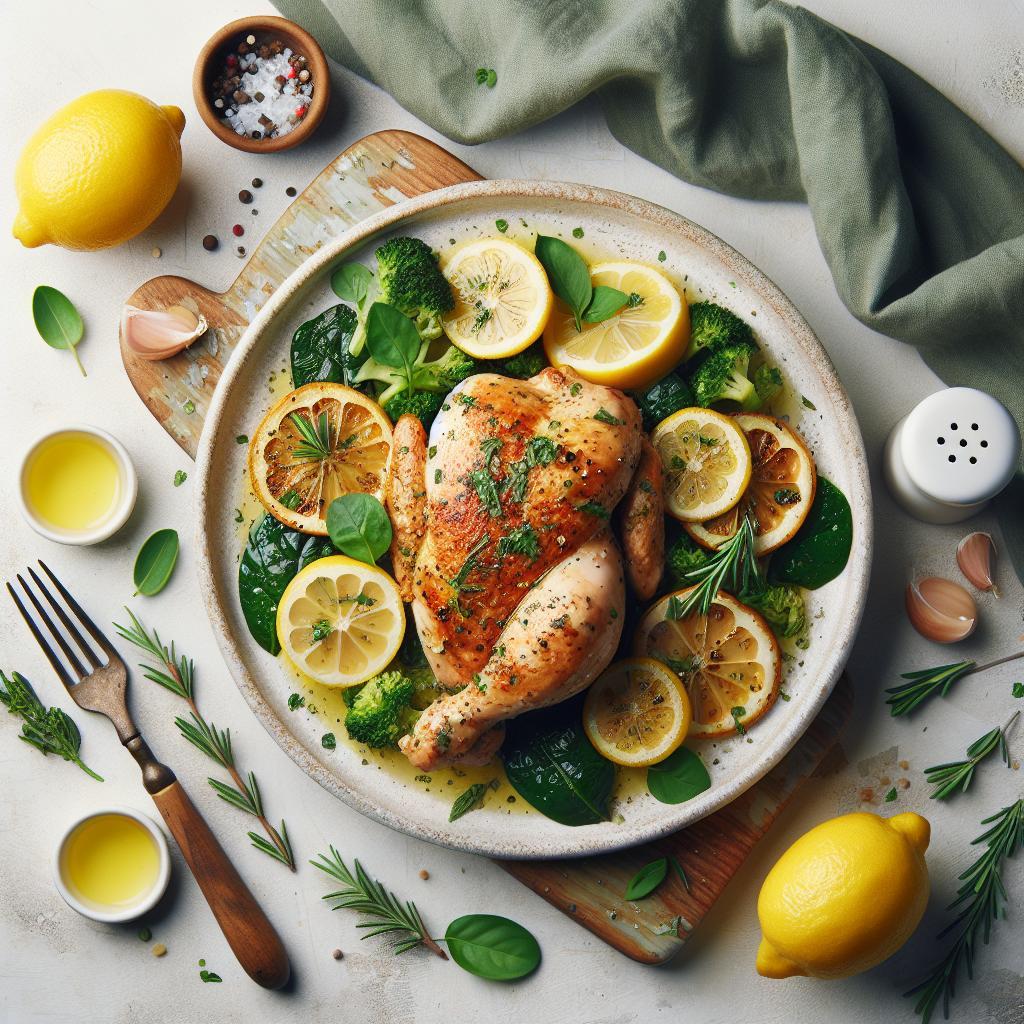

Zesty Quick Lemon Herb Chicken delivers bright, savory flavor in a compact prep window. This recipe uses a short, acid-forward marinade and a hot skillet sear to produce a golden crust and juicy interior without fuss.
- Ready fast: total time ~37 minutes with a 15–30 minute marinade.
- Flavor profile: bright lemon, aromatic herbs, and a touch of honey for balance.
- Technique: brief marination plus a hot pan-sear keeps meat tender and moist.
- Versatile: adapts to salads, grains, or simple roasted vegetables.
Prep and Cook Time
Preparation: 10 minutes, with a recommended marinating window of 15–30 minutes. This short marination intensifies surface flavor while avoiding over-tenderizing the meat.
Cooking: 10–12 minutes in a hot skillet yields a golden crust and safe internal temperature. Total elapsed time averages about 37 minutes, making this practical for weeknights and quick entertaining.
Yield and Difficulty
Yield: Serves 4, or 2 with substantial leftovers. The recipe scales easily; keep cooking time consistent by using similar-thickness breasts.
Difficulty: Easy. The method relies on technique more than advanced skills: even seasoning, controlled heat, and a short rest produce consistently good results.
Ingredients
Use fresh, high-quality ingredients for the best impact. Fresh citrus and herbs amplify aroma and mouthfeel compared with bottled or dried substitutes.
Core recipe components include boneless, skinless chicken breasts, fresh lemon, extra virgin olive oil, garlic, fresh rosemary, thyme, and parsley, plus a touch of honey to soften acidity. For background on citrus, review lemons.
Full Ingredient List
4 boneless, skinless chicken breasts (about 6 ounces each)
1/4 cup fresh lemon juice (about 2 lemons)
3 tbsp extra virgin olive oil
3 garlic cloves, minced
1 tbsp fresh rosemary leaves, finely chopped
2 tbsp fresh parsley, chopped
1 tsp fresh thyme leaves
1 tsp honey or pure maple syrup
1/2 tsp sea salt
1/4 tsp freshly ground black pepper
Lemon zest of 1 lemon
Optional garnish: lemon wedges and chopped fresh herbs
Why This Marinade Works
Acid from lemon juice brightens flavor and tenderizes the surface proteins, which improves bite without compromising structure when marination time stays short. For the science behind short, effective marinades, see marination.
Olive oil carries fat-soluble aromatics and helps transfer heat during searing, while honey tempers acidity and aids browning. Fresh herbs provide volatile oils that evaporate into aroma during cooking, creating a fresh, layered profile.
Instructions
1. Prepare the marinade: In a medium bowl, whisk lemon juice, olive oil, minced garlic, chopped rosemary, parsley, thyme, honey, salt, pepper, and lemon zest until well combined. Use fresh zest for immediate aromatic lift and add oil to smooth mouthfeel.
2. Marinate the chicken: Place chicken breasts in a resealable bag or shallow dish and pour the marinade over them, ensuring an even coat. Refrigerate for 15–30 minutes; avoid longer when using straight lemon juice to prevent a mushy texture.
Cooking Steps
3. Preheat the skillet: Heat a heavy-bottomed skillet or grill pan over medium-high heat until hot but not smoking. A properly heated pan seals the surface quickly and preserves internal juices.
4. Pan-sear the chicken: Remove chicken from the marinade, let excess drip, then place in the hot skillet. Cook 5–6 minutes per side for average-thickness breasts. Flip once a golden crust has formed and the piece releases easily from the pan.
5. Check doneness and rest: Confirm internal temperature reaches 165°F (74°C) using a thermometer, or pierce the thickest part—clear juices indicate doneness. Transfer to a plate and rest 5 minutes to redistribute juices before slicing.
Chef’s Notes: Master the Art of Zesty Quick Lemon Herb Chicken
Herb swaps: Substitute basil or oregano for a different Mediterranean angle, but reduce dried herbs by half if used. Fresh herbs release essential oils that elevate aroma; they are not interchangeable in quantity with dried herbs.
Even thickness: Pound thicker sections to uniform thickness for consistent cook times. Uneven breasts force overcooking thin areas or undercooking thick ones.
Use a heavy skillet with good heat retention such as cast iron or stainless steel with a thick base. Such pans maintain contact heat and develop better fond for flavor when deglazed.
Serving Suggestions for a Fresh and Vibrant Meal
Pair the chicken with a peppery arugula salad tossed with a lemon vinaigrette, cherry tomatoes, and shaved fennel to echo the citrus-herb theme. Alternatively, serve with rosemary-roasted baby potatoes for a comforting contrast.
For low-carb plates, swap mashed cauliflower for traditional mash; for grain bowls, seat the sliced chicken over quinoa or farro with a scattering of fresh herbs. Fresh garnish—thin lemon ribbons and microgreens—adds visual lift and aroma.
Nutrition
This recipe provides a protein-forward plate with moderate fat from olive oil and minimal carbohydrates. Per serving estimates: approximately 320 kcal, 43 g protein, 12 g fat, and 3 g carbs, depending on exact ingredient brands and portion sizes.
Balancing the plate with a vegetable-forward side increases micronutrients and fiber without diluting the dish’s bright flavor. Herbs like rosemary and parsley add antioxidants and trace minerals in small but useful amounts.
| Nutrient | Per Serving |
|---|---|
| Calories | 320 kcal |
| Protein | 43 g |
| Carbohydrates | 3 g |
| Fat | 12 g |
Practical Variations and Method Notes
To grill, preheat to medium-high and cook breasts 4–6 minutes per side, depending on thickness. Grilling adds a smoky note that pairs well with lemon and rosemary.
Use skin-on thighs for a richer mouthfeel; adjust cooking time and finish in a moderate oven if needed to avoid over-charring the exterior while reaching temperature internally.
FAQ
Q: How long should I marinate lemon-and-herb chicken?
Brief marination—15–30 minutes—balances flavor uptake with texture preservation. Strong acids like lemon act quickly; longer exposure can alter protein structure and make the surface soft.
Q: Can I use dried herbs instead of fresh?
Yes, but use roughly half the amount of dried herbs versus fresh. Dried herbs concentrate flavor differently and benefit from being added earlier so they can rehydrate in the marinade.
Q: What is the best pan for searing?
Cast iron or a heavy stainless pan provides consistent heat and surface contact for good browning. Nonstick pans won’t develop as much fond, but they are forgiving for beginners.
Q: How do I keep the chicken juicy when reheating?
Reheat gently at low temperature, covered, or slice and warm briefly in a skillet with a splash of broth. High heat reheating dries lean meat quickly.
Q: Is this recipe suitable for meal prep?
Yes. Store cooked chicken in airtight containers and refrigerate up to 3–4 days. Reheat gently to preserve texture and flavor intensity.
Final Notes
Short, purposeful steps produce a dish that tastes fresh and looks composed. The combination of lemon, fresh herbs, and high-heat searing creates a balanced plate that reads both bright and satisfying.
Adapt the technique to available proteins and herbs, and you’ll have a reliable method for quick, flavorful dinners. For context on poultry choices, consult chicken as food and consider olive oil quality when selecting your fat source via olive oil.

See also: Lemon Chicken