
Strain with Ease: Top Cheesecloth Picks for Perfect Results opens with a simple fact: the right cheesecloth makes the difference between cloudy, gritty liquids and clear, silky results. This guide highlights weave, weight, preparation, brand choices, and practical steps so you pick the cloth that fits your task.
- Pick the weave to match the task: loose for fast draining, tight for fine filtration.
- Weight matters: lightweight for nut milks, heavier cotton for bundling and simmering.
- Prep transforms performance: wash, pre-wet, and layer to boost efficiency and longevity.
- Care and replacement: rinse immediately and replace when fabric shows thinning.
Weave and Weight Explained: How to Pick the Best Fabric Density
The weave defines particle retention and flow rate. Choose an open weave when speed matters and a tight weave when clarity matters more.
Weight (measured roughly by grams per square meter) affects durability and handling. Select lightweight cotton for gentle tasks and heavier grades when you need strength for bundling or repeated use.
Chefs often compare cheesecloth options to other filtering fabrics such as muslin; both share cotton roots but differ in weave patterns and thread counts. See the cheesecloth and muslin pages for technical differences and typical uses.
For many kitchen tasks, a mid-weight cloth gives the best compromise between drainage and filtration. When in doubt, test with a small batch: the right cloth should trap solids but let liquids pass without forcing or agitation.
Expert Tips for Preparing Cheesecloth to Maximize Efficiency
Start by washing new cheesecloth in hot water to remove sizing and lubricants used in manufacturing. Hot rinse shrinks the fabric slightly and opens the weave to predictable performance.
Always pre-wet the cloth before straining hot liquids; this prevents the fabric from absorbing excessive liquid and reduces risk of tearing. Fold one to three layers depending on desired filtration; each added layer dramatically increases particle capture.
When you plan to reuse cloth, soak it immediately after use in a mild vinegar solution to neutralize odors and help release fats. Rinse thoroughly, air-dry flat, and store in a breathable container to prevent mildew and lingering smells.
Top Cheesecloth Picks Recommended by Chefs and Home Cooks
Professional kitchens value consistency and durability. Brands that offer predictable thread counts and pure cotton fabric rise to the top for repeatable results.
Look for 100% cotton labeling and stable weave patterns. Organic cotton options reduce risk of residual processing chemicals, which matter for sensitive preparations like baby food or cultured dairy.
- Bellemont: fine-weave options suited to delicate filtration and low lint.
- Cutco: medium-weight cloths balanced for cheese-making and infusions.
- Kirkland Signature: large rolls good for long runs and heavy-duty bundling.
- GourmetNets: organic cotton choices for cooks prioritizing chemical-free supplies.
Beyond name brands, small mills and local textile suppliers often produce high-quality cotton cloths. Learn about the raw fiber by reviewing the cotton lifecycle; fiber quality affects softness, strength, and lint release.
Match the product description to your regular tasks. If you strain broths daily, invest in a heavier, reusable roll. For occasional nut milk batches, a fine disposable pack may reduce upkeep time.
Prep and Cook Time
Prep Time: 5–15 minutes for washing and prepping new cloth, longer if you air-dry between steps. Preparing used cloths requires additional soak time to remove fats and odors.
Cook Time: Varies by recipe. Cheesecloth does not add time; it only affects how you handle draining and resting periods. Plan for gradual draining when clarity matters.
Yield
Cheesecloth yields depend on the recipe, not the cloth. Consider the cloth a reusable tool that enables clear, consistent final yields in nut milks, cheese curds, and clarified stocks.
When testing a new weave or brand, run a small control batch to observe how much sediment remains and how quickly liquids pass. Record results for repeatability.
Difficulty Level
Using cheesecloth ranges from easy to intermediate. The technique becomes intuitive after a few uses, but choosing the right weave and caring for the fabric requires attention.
Practice basic folds, learn to secure cloth with twine or clips, and note when wear reduces performance. Replace cloth that shows fraying or persistent staining.
Ingredients and Materials
100% cotton cheesecloth in a range of weaves (fine, medium, open). Avoid blends that can shed synthetic fibers into food.
Other items: filtered water for washing, mild white vinegar for deodorizing, kitchen twine or bands for securing, and a clean bowl or strainer to support the cloth during use.
Instructions: Step-by-Step
1. Choose appropriate weave and weight for the task. For nut milk, aim for fine weave; for herb bundles, a looser weave will do.
2. Wash new cloth in hot water. Agitate briefly, then rinse. Pre-wetting before use prevents over-absorption during straining.
3. Fold one or more layers to control filtration. For creamier textures, double-layer and let gravity pull the liquid through slowly.
4. Secure edges with twine or a clamp. Avoid stretching or thinning the cloth while tying; maintain an even surface to prevent hotspots where solids collect.
5. After use, rinse in cold water to remove residue. Soak in vinegar solution when needed, then air-dry. Store flat or rolled in a dry place to avoid creasing or mildew.
Chef’s Notes
Pre-wetting and patience produce the best results. Quick squeezing forces fine particles through even a tight weave and often creates cloudiness.
Replace cloth on a schedule. A visibly thinner or fraying cloth loses integrity and can release fibers into your food. Keep a rotation so you always have a clean, reliable piece ready.
Serving Suggestions and Use Cases
Strained nut milks benefit from gentle chilling before serving; the colder temperature improves perceived creaminess. Pour into clear glass bottles to showcase clarity.
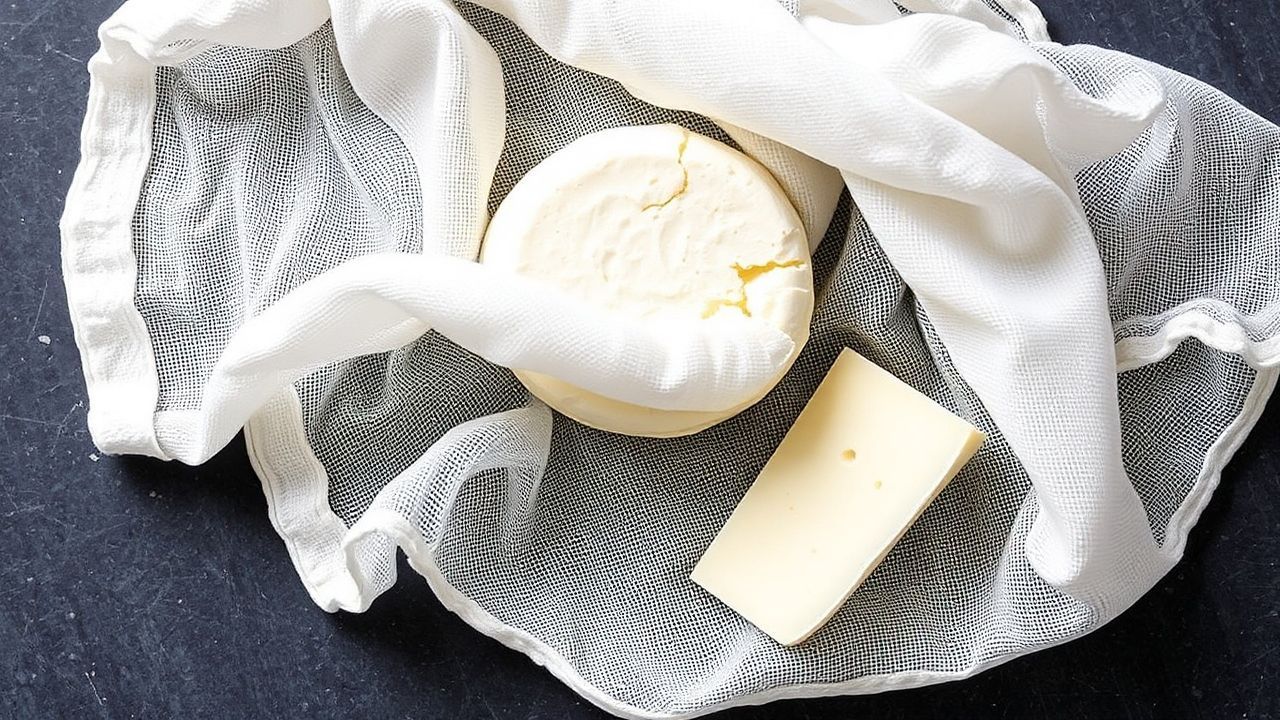
For cheeses, drain curds until they reach the desired texture, then transfer to molds or wrap for pressing. Infused oils and syrups perform better when filtered through fine cloth and then rested to allow micro-particles to settle.
At-Home Maintenance and Replacement Guidelines
Track how many uses a cloth gets. If you handle fatty or colored foods frequently, expect a shorter useful life due to staining and oil buildup.
Designate specific cloths for certain tasks—one for dairy and one for broths, for instance—to reduce cross-contamination and flavor transfer. Rotate, sanitize gently, and replace once functional performance drops.
FAQ
Q1: Why use cheesecloth instead of a fine strainer?
Cheesecloth adapts to many shapes and lets you create a pouch for slow draining. Fine strainers are rigid and can clog; cloth provides greater surface area and gentler filtration.
Cloth also helps when you need to compress solids or shape curds, where a rigid sieve cannot replicate the same control.
Q2: How many layers should I use for almond milk?
Start with two layers of fine-weave cloth. If you still see particulate, add a third layer or allow longer draining time. Avoid squeezing too hard; slow pressing yields a smoother mouthfeel.
Record your layer choice and yield ratio so you can repeat the same result consistently.
Q3: Can I sterilize cheesecloth for culturing dairy?
Yes. Boil the cloth briefly or steam it to reduce microbial load before use in cultured products. Avoid chemical sterilants that leave residues and alter cultures.
Always handle sterilized cloth with clean hands and tools to preserve the sanitized state until use.
Q4: Does thread count matter?
Thread count correlates with particle capture. Higher thread counts trap finer solids but slow drainage. Choose based on the target texture and processing time you can allow.
Testing and record-keeping will help you triangulate the ideal thread count for each recipe.
Q5: Where can I learn more about textile terms used here?
Read established references on fibers and fabrics. The cotton article explains fiber properties, while the cheesecloth page covers culinary applications. For broader context on textiles, consult the muslin entry.
These sources help translate textile specs into kitchen decisions and clarify terminology used on product labels.
Strain confidently. With the right weave, simple prep, and careful care, cheesecloth becomes a reliable tool rather than a guessing game. Test, label, and rotate your cloths to keep results consistent and to extend the useful life of each piece.
See also: cheesecloth