
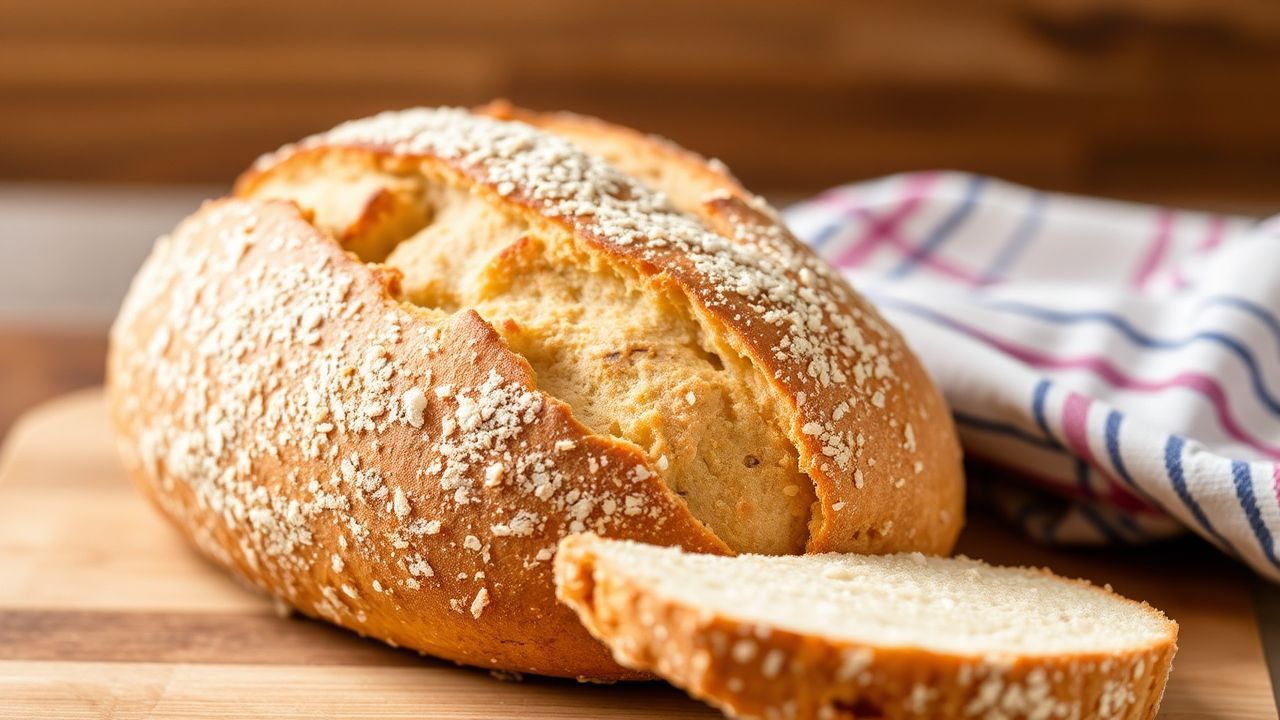

10 Expert Storage Tips to Keep Homemade Bread Fresh
Keep your homemade bread fresh by using targeted storage methods that preserve crust and crumb. These steps reduce waste and deliver bakery-quality slices days after baking.
- Cool completely before wrapping to avoid trapped steam.
- Match method to loaf type—artisan crusts need different care than sandwich loaves.
- Freeze in portions to lock in freshness without waste.
Why homemade bread stales faster
Homemade loaves usually lack preservatives and industrial emulsifiers, so they rely on proper storage to stay fresh. The crumb structure and hydration level you build in the oven determine how quickly starch retrogradation and moisture migration change texture.
Microbial spoilage is a separate issue from staling: mold spores thrive where moisture and warmth meet. For background on bread types and crumb behavior, see bread and for fermentation context refer to sourdough.
Best storage methods by loaf type
Choose a storage strategy that fits your loaf. The wrong container can either trap too much moisture or dry the crumb out; both harm texture.
Below are proven options tailored to common household loaves. Use internal resources for related recipes and storage workflows: Homemade Bread Essentials and Baking Storage Tips.
Room-temperature storage (ideal for 1–3 days)
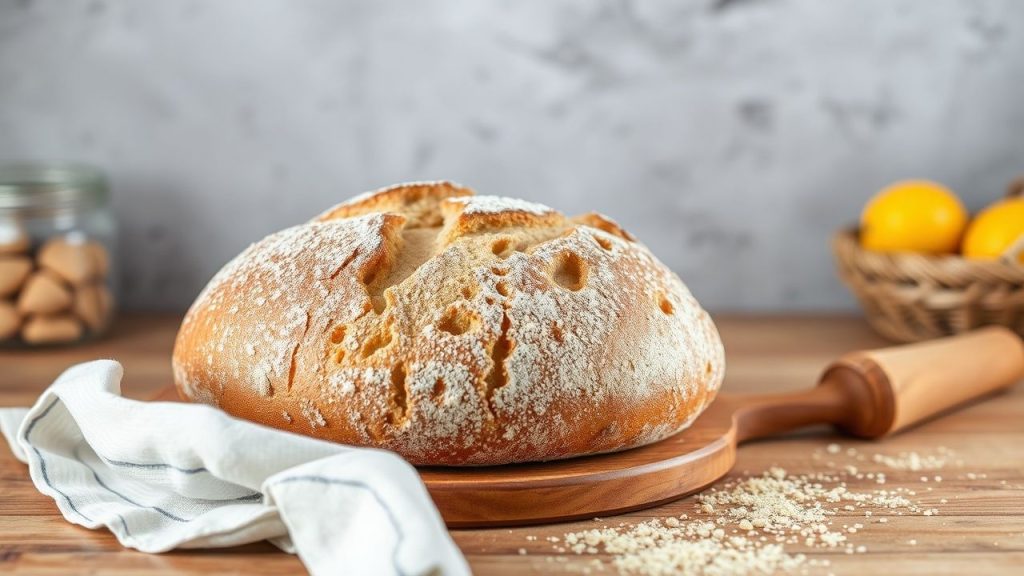
For short-term use, leave artisan loaves unwrapped on a cutting board and cover loosely with a clean cotton towel. This lets the crust remain crisp while protecting the exposed crumb from airborne contaminants.
Alternatively, place denser sandwich loaves in a paper bag or a bread box to slow drying while allowing minimal airflow. A bread box simulates a small microclimate that balances humidity without sealing the loaf completely; for principles of storage see food preservation.
Airtight containers and when to use them
Airtight containers work best for soft-crusted loaves or when you want to preserve moisture for sandwiches. Use a container slightly larger than the loaf to avoid squashing the crust and to allow small air exchange when storing more than a day.
Do not airtight-seal hot bread; cooling first prevents condensation and mold. For artisan crusts, wrap the cut end only and keep the rest more exposed for crunch.
When refrigeration helps (and when it hurts)
Refrigeration accelerates starch recrystallization, which makes bread stale faster in most cases, so avoid it for routine storage. Only use the refrigerator in very humid climates where mold is a persistent risk and you plan to consume the bread within 2–3 days.
For indefinite storage beyond several days, freezing outranks refrigeration for quality preservation. See the long-term section below for step-by-step freezing technique.
Freezing and long-term storage
Freezing arrests both microbial growth and staling processes when done correctly. The key is to minimize freezer burn and avoid moisture migration during freeze–thaw cycles.
Slice before freezing to thaw only what you need. Wrap slices or portioned chunks tightly in plastic or foil and place them in a rigid freezer bag to protect texture and flavor.
Best practice: wrap, double-wrap, label
Wrap the loaf or slices in plastic wrap, then again in an airtight bag or a rigid container. Double-wrapping limits exposure to dry cold air and preserves crumb moisture.
Label with date and portion size so you rotate older bread first. For an overview of freezing principles consult freezing processes.
Thawing and reheating for best texture
To thaw slices, toast directly from frozen for crisp edges and tender interiors. For whole loaves, let them defrost at room temperature in their wrapping, then refresh in a hot oven for 5–10 minutes to re-crisp the crust.
If you plan to serve warm slices, a quick oven refresh after thawing restores volatile aromas and improves perceived freshness.
Revival techniques that actually work
Stale bread responds well to targeted rehydration and heat. Controlled moisture re-enters the crumb, and heat sets the crust again for an improved eating experience.
For quick revival, sprinkle the loaf or slices lightly with water and warm at 350°F (175°C) for 5–10 minutes wrapped in foil to rehydrate the interior. For a crisper crust, open the foil for the last 2 minutes.
To refresh sandwich slices, a pop in the toaster often gives the quickest, most uniform result. Avoid prolonged heating that can dry the crumb further.
Common mistakes and pro cautions
Avoid sealing warm bread, which traps steam and speeds mold growth. Also avoid storing all bread varieties the same way; a baguette and a sandwich loaf have different needs.
Do not keep bread exposed to direct sunlight or heat sources. Heat speeds microbial growth and uneven drying; keep loaves in a cool, dry place away from appliances and windows.
Practical tips for everyday success
Slice only what you need and re-wrap the rest immediately to reduce air exposure. Portioning before freezing saves time and reduces waste in the long run.
Use natural ingredients like honey or olive oil in recipes to marginally increase moisture retention; this complements good storage but does not replace it. Keep an eye on humidity and rotate stored bread to use older loaves first.
Serving suggestions and presentation
Slice bread just before serving for the best mouthfeel. Pair toasted slices with high-fat spreads—like compound butters or soft cheeses—to accentuate crumb tenderness and crust contrast.
For gatherings, warm whole loaves briefly in the oven and present in a lined basket for visual appeal. Small touches like a lightly floured cut or torn slices make the loaf look freshly baked.
| Nutrient | Per Slice (30g) |
|---|---|
| Calories | 80 |
| Protein | 3g |
| Carbohydrates | 15g |
| Fat | 1g |
For more structured guidance, check our internal reference pages: Homemade Bread Essentials and Baking Storage Tips for step-by-step workflows and printable checklists.
FAQ
Why does homemade bread go stale faster than store-bought?
Homemade bread lacks commercial preservatives and often has higher moisture and fewer emulsifiers that slow staling. The result is superior flavor but shorter natural shelf life unless stored properly.
Should I refrigerate my homemade bread?
Generally no: refrigeration speeds starch crystallization and dries bread faster. Refrigerate only in hot, humid conditions where mold risk outweighs texture loss.
Can I freeze bread and still keep a good crust?
Yes. Freeze slices or wrapped loaves and refresh in a hot oven to re-crisp the crust. Proper double-wrapping prevents freezer burn and preserves texture.
How can I tell if bread is stale versus spoiled?
Staleness shows as dry crumb and loss of aroma; spoilage includes visible mold or off-odors. If mold appears, discard the entire loaf to avoid mycotoxin risk.
Are there natural ingredients that help bread stay fresh longer?
Ingredients like honey, oil, or milk can retain moisture and slightly extend softness, but storage technique has a larger effect on longevity. Combine recipe tweaks with correct storage for best results.
Keep these expert tips on hand and treat each loaf according to its type; small adjustments in wrapping, temperature, and portioning make all the difference for lasting freshness.
See also: homemade bread