
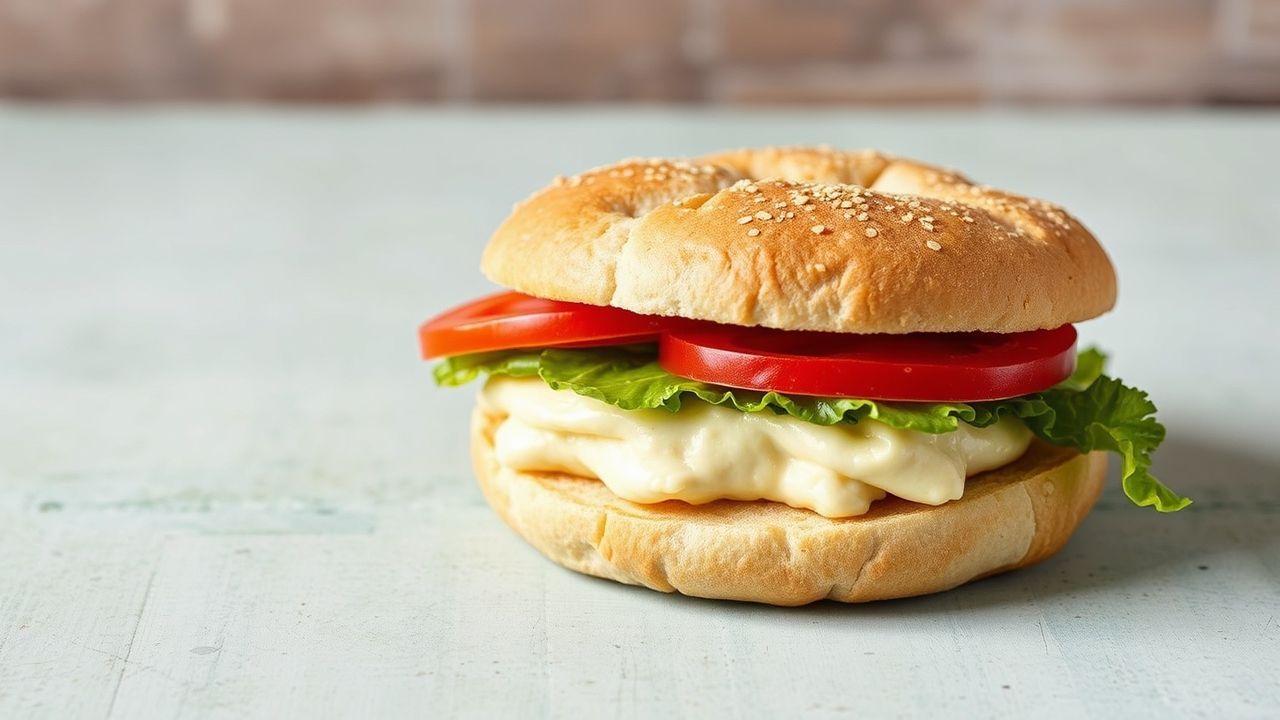

7 Proven Steps to Fluffy & Tender Sandwich Bread
There is a clear difference between everyday bread and sandwich bread engineered for tender, pillowy slices that hold fillings without collapsing. This guide gives practical, tested methods to produce a soft crumb, reliable structure, and consistent slices every bake.
- Hydration and kneading balance yield a soft crumb that still slices cleanly.
- Simple ingredient tweaks—fat, milk powder, and the right flour—make a measurable difference.
- Proofing control creates even air cells for a sturdy, tender loaf.
- Repeatable timing and weight-based measures make results consistent from bake to bake.
Prep and Cook Time
Plan your bake so each stage gets the time it needs. Allow passive rises to complete; rushing proofing or cooling undermines crumb structure.
Typical schedule: expect about three hours from mix to cool, with most of that time passive. Use a timer and notes to repeat success.
- Preparation: 20 minutes
- First rise: 1–1.5 hours
- Kneading: 8–10 minutes by hand or 6–8 minutes in a mixer
- Second rise: 45 minutes
- Baking: 28–32 minutes at 375°F (190°C)
- Total time: ~3 hours
Yield
This recipe produces one standard 9×5-inch loaf suitable for about 12 sandwich slices. Slice thickness and trimming will change the final count slightly.
If you need two loaves, scale ingredients proportionally and split dough into two pans for identical results. For consistent results, weigh and divide dough evenly.
Difficulty Level
This recipe rates as medium because it requires attention to kneading and proofing. The techniques are straightforward and reproducible with practice.
You will practice dough feel, the windowpane test, and judging rises—skills that improve with each bake and increase reliability quickly. Keep a notebook of hydration and times for each environment.
Ingredients
Choose ingredients that balance tenderness and structure. Bread flour supplies strength while a small share of softer flour or milk powder adds cushioning to the crumb.
Core ingredients (one standard loaf):
- 3 1/2 cups bread flour (11–13% protein)
- 1/2 cup all-purpose flour
- 2 teaspoons active dry yeast
- 1 1/4 cups warm water (about 110°F / 43°C)
- 3 tablespoons unsalted butter, melted and cooled slightly
- 3 tablespoons granulated sugar
- 1 1/4 teaspoons salt
- Optional: 2 tablespoons milk powder for extra tenderness
Understand the roles of your ingredients: flour provides protein for gluten development, yeast creates gas for rise, and fat tenderizes the crumb. For more on flour composition see flour.
Instructions
Work methodically. Small, controlled adjustments in technique beat random changes; document what you do each bake so you can repeat success.
Follow the numbered steps below. Use the sub-sections for deeper technique on kneading, proofing, and baking.
- Activate the yeast: Combine warm water, yeast, and 1 tsp sugar. Wait 5–7 minutes until frothy; active yeast should show bubbles and a yeasty aroma. For fermentation basics see yeast.
- Mix dry ingredients: Whisk bread flour, all-purpose flour, salt, sugar, and milk powder in a large bowl to distribute ingredients evenly. Weighing flour increases accuracy.
- Combine wet and dry: Make a well, pour in the yeast mix and melted butter, and stir until a shaggy dough forms. Adjust hydration by small increments to get a tacky, workable dough.
- Knead the dough: Transfer to a floured surface and knead 8–10 minutes by hand until smooth and elastic, or use a stand mixer on low for 6–8 minutes. See kneading section for the windowpane test.
- First proofing: Place dough in a lightly oiled bowl, cover, and let rise in a warm, draft-free spot until doubled—about 1–1.5 hours. Aim for moderate expansion rather than an overblown mass.
- Shape the loaf: Gently deflate, shape into a tight loaf, and place in a greased 9×5-inch pan. Tension during shaping promotes an even rise and straight sides.
- Second proofing: Cover and let rise until just over the rim—about 45 minutes. Avoid over-proofing; the loaf should spring back slowly when pressed.
- Bake: Preheat oven to 375°F (190°C). Bake 28–32 minutes until the crust turns golden and an internal skewer comes out clean. For a soft crust, brush with melted butter after baking.
- Cool: Remove from pan and cool completely on a rack before slicing. Cooling sets the crumb and prevents gummy slices.
When troubleshooting, consult a focused resource on dough handling or see our internal bread basics page for foundational tips. Use scales over cups for repeatability and link notes to dates and ambient conditions.
Kneading: technique and signs
Kneading develops the gluten network that traps gas and gives structure. Work the dough until it passes the windowpane test—thin and slightly translucent without tearing.
Use firm, rhythmic folds and presses. If the dough tears quickly, keep kneading a few more minutes and allow a short rest to relax the gluten.
Gluten structure is central to crumb and chew; for a deeper look at gluten proteins visit gluten. Measure progress by elasticity rather than time when environmental factors change.
Proofing: timing and environment
Proofing controls crumb size and loaf strength. Aim for a moderately warm, humid area; a bowl of hot water nearby or the oven light on creates a stable environment.
Watch the dough, not only the clock. A properly proofed dough shows clear expansion and springs back slowly when pressed. Over-proofing leads to collapsed crumb and large, irregular holes.
Let the dough proof gradually when you want a fine, even crumb. For troubleshooting proof issues see our internal troubleshooting guide, which lists common causes and fixes.
[NOTE: The [WARNING] block above is separated from the
[TIP]Expert Insight: Increase hydration by 1–2 tablespoons and add 1 tablespoon melted butter for a consistently soft crumb without compromising the dough’s strength.
Baking: crust and interior balance
Start at 375°F (190°C) for even rise and a soft crust. For a glossier finish, brush the top with melted butter immediately after baking.
Introduce steam during the first 5–7 minutes to delay crust set and allow maximum oven spring, then finish dry to develop a light golden surface. Use a tray of hot water or a quick spray of water onto oven walls.
Cool fully on a rack. Slicing while the crumb is hot yields compacted, gummy slices; patience delivers clean, pillowy pieces ideal for sandwiches.
Tips for Success
Small, repeatable habits produce reliable loaves. Measure ingredients by weight when possible and keep notes on hydration and rise times for your kitchen conditions.
Adjust for environment: drier kitchens need slightly more water; colder spaces require longer proofing or warmer proof spots. Use the windowpane test to confirm gluten development rather than relying only on time.
- Flour choice: Use bread flour for strength; replace up to 1/4 cup with cake flour for extra tenderness.
- Windowpane test: Stretch a small piece to check elasticity; translucent without tearing confirms readiness.
- Steam: A short burst of steam improves oven spring; stop steaming after the first 7 minutes to brown the crust.
Keep a simple log: date, weights, room temp, proof times, and final crumb notes. Over several bakes you will identify the small tweaks that deliver big gains.
FAQ
How do I make my sandwich bread tender but still sliceable?
Use a blend of bread and softer flour, add a small amount of fat, and keep hydration balanced. Knead to full gluten development so the loaf holds structure when sliced.
Can I use instant yeast instead of active dry?
Yes. Use about 25% less instant yeast or add it directly to the dry ingredients. Watch proof times because instant yeast often acts faster.
Why is my loaf gummy after baking?
Under-baking or slicing too early are common causes. Verify internal temperature near 190°F (88°C) and cool completely on a rack before slicing.
How do I adjust for a humid or dry kitchen?
In dry conditions add a tablespoon of water at a time until the dough feels tacky but manageable. In humid climates reduce water slightly and rely on weight measurements for consistency.
Where can I learn more about dough science?
Useful references include pages on dough and baking for background on fermentation and heat effects. These resources explain the chemistry behind the steps described above.
See also: sandwich bread